.svg)

What Does an Addiction Interventionist Do?

Understanding the Role of an Addiction Interventionist
Beyond Confrontation: Modern Approaches
Navigating the path to recovery for a loved one is complex, but you don't have to do it alone. An addiction interventionist serves as a specialized guide, moving families away from dramatic confrontations and toward partnership, respect, and evidence-based strategies that preserve dignity and privacy.
Start with this quick self-assessment to see if a collaborative, professional approach fits your needs:
- Is discretion and minimal disruption to daily life essential?
- Would your loved one respond better to support than confrontation?
- Do you want a process that includes family or close friends?
- Are you seeking adaptable, lifestyle-friendly solutions?
If you answered yes to most, a modern addiction interventionist may be the right path. Unlike old-school "surprise and confront" tactics, today’s experts often use motivational interviewing and the CRAFT model (Community Reinforcement and Family Training).
Research shows these methods can increase treatment engagement by up to 20% over other approaches3. These methods emphasize empathy, open communication, and reinforcing positive choices—an approach that helps build trust and reduces resistance.
Industry leaders find that involving family members leads to small but reliable reductions in substance use—about three fewer weeks per year—demonstrating the value of supportive, family-centered models7. For those who value privacy, many interventionists offer services designed to fit seamlessly into busy lives, including virtual meetings and flexible scheduling.
Next, let’s explore when professional guidance becomes truly essential in the intervention process.
When Professional Guidance Becomes Essential
Knowing when to involve a professional can make all the difference in supporting someone’s mental health or substance use journey. Consider this checklist to help decide if it’s time for expert guidance:

- Has repeated family discussion or informal support not led to positive change?
- Are there concerns about safety, mental health crises, or risk of self-harm?
- Is the situation complicated by co-occurring disorders, legal issues, or past trauma?
- Is privacy, discretion, or protecting a loved one’s reputation a top concern?
This approach is ideal for families or professionals who have tried to help but feel stuck or overwhelmed. Experts highlight that poorly planned informal interventions can sometimes do more harm than good—damaging trust and making future help less likely1.
An addiction interventionist brings experience in navigating denial, resistance, and complex family systems, helping to ensure that everyone feels supported, respected, and safe throughout the process.
"Research shows that 80–90% of individuals agree to seek treatment on the day of a professionally guided intervention, demonstrating how crucial timely, expert support can be."2
When the stakes feel high or the path forward seems unclear, prioritizing professional help provides structure, discretion, and a greater chance of a positive outcome. Next, we’ll break down the core responsibilities an interventionist takes on to guide families through each step.
Core Responsibilities of an Addiction Interventionist
Assessment and Strategic Planning
Assessment and strategic planning form the foundation of an effective intervention process. Before taking action, a skilled addiction interventionist begins with a thorough assessment, which includes gathering detailed information about the individual’s health, history, patterns of substance use, co-occurring mental health conditions, and family dynamics.
This may involve confidential interviews with loved ones and review of any prior treatment records, always with a focus on discretion and respect.
Strategic planning then translates assessment findings into a step-by-step roadmap. This plan outlines who will participate, what will be communicated, and how to respond to different scenarios—such as hesitation or resistance. Industry best practices recommend that interventionists tailor their plans, taking into account lifestyle, privacy needs, and any underlying safety concerns.
Studies reveal that when these plans are personalized and evidence-based, families experience higher rates of treatment acceptance and reduced distress during the process1.
This approach works best when there are concerns about safety, legal complications, or when earlier attempts to help have not succeeded. By carefully mapping out logistics and anticipating challenges, an interventionist can help ensure that the process is supportive and minimizes disruption to everyone’s life.
Readers might be wondering: why is this level of planning so important? Research shows that poorly planned interventions can increase resistance or even harm relationships, underscoring the value of professional expertise1.
With a strong assessment and plan in place, the next step is guiding families through education and the complexities of treatment options.
Family Education and System Navigation
Family education and system navigation are cornerstones of an effective intervention process—especially for those seeking a concierge, discreet experience. To help families feel empowered and informed, a leading addiction interventionist will provide:
- Clear explanations: Breaking down substance use and mental health conditions in plain language.
- Communication guidance: Teaching healthy communication and boundary-setting techniques.
- Resource provision: Offering tools for ongoing support and self-care.
- Scenario preparation: Preparing the family for both positive and challenging outcomes.
Education goes far beyond simply sharing facts. Interventionists use relatable analogies and practical strategies so families can respond with compassion rather than frustration. Research confirms that when families are actively involved and well-informed, treatment engagement increases and substance use drops by about 5.7%, or three fewer weeks per year of use7.
System navigation is equally critical. An addiction interventionist acts as a guide through a maze of treatment options, insurance questions, and logistical obstacles. Consider this route if you’re overwhelmed by medical forms, privacy concerns, or unsure which programs are reputable.
Studies highlight that up to half of individuals drop off waiting lists before entering treatment, emphasizing the value of timely, professional navigation and advocacy4.
This support suits families who want to minimize disruption and protect their loved one’s reputation while accessing the best care available. With expert guidance, families can move forward confidently, knowing they have a trusted partner at every step. Next, we’ll explore the evidence-based methods interventionists use to motivate change and build lasting recovery.
Insight Beyond Treatment
At Next Level Behavioral Health, we believe meaningful change starts with perspective, not just protocols.
That philosophy is directly led by Amanda Marino, whose voice in behavioral health extends beyond clinical settings into leadership, culture, and personal growth.
Through keynote speaking and live events, Amanda explores the deeper themes that show up in recovery, family systems, and life transitions: authenticity, resilience, accountability, and the courage to change. Her work invites audiences to move past labels and into honest conversations that create lasting impact.
Evidence-Based Methods That Work
Motivational Interviewing and CRAFT
Motivational Interviewing (MI) and CRAFT (Community Reinforcement and Family Training) stand out as the two most influential evidence-based approaches an addiction interventionist uses to inspire lasting change. The table below outlines how these methodologies differ and complement each other:
| Methodology | Core Focus | Best For |
|---|---|---|
| Motivational Interviewing (MI) | Collaborative conversation to resolve ambivalence. | Individuals who feel uncertain, resistant, or value high autonomy. |
| CRAFT Model | Empowering family members to reinforce positive behavior. | Families seeking to reduce enabling and improve their own wellbeing. |
Motivational Interviewing is a collaborative, non-judgmental style of conversation designed to help individuals resolve ambivalence about recovery. Rather than forcing a decision, MI draws out personal motivations and values—helping people see how treatment can align with their own goals.
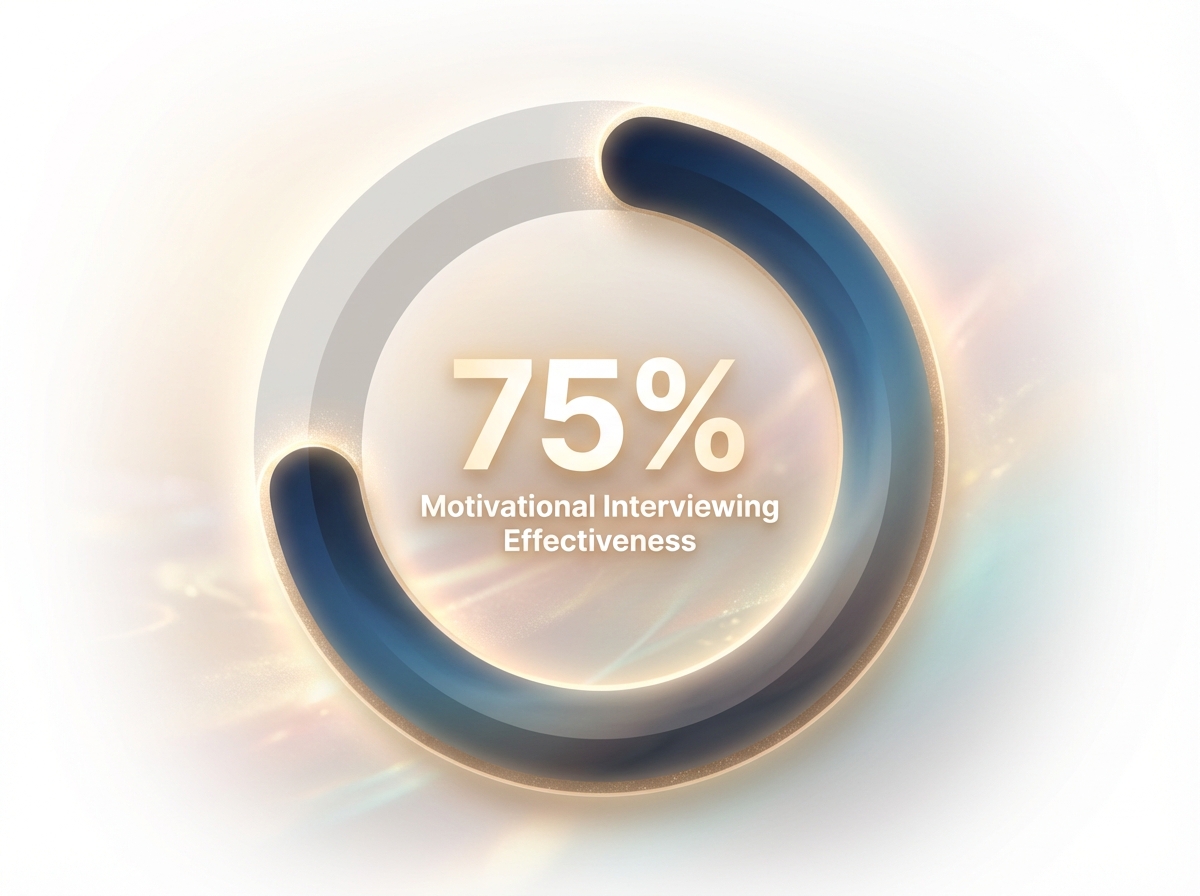
Research shows that MI is effective for 75% of participants in substance use disorder interventions, making it a leading choice when someone feels uncertain or resistant3. This approach is ideal when privacy and respect are top priorities, and when families want to avoid confrontation.
CRAFT, on the other hand, empowers loved ones with practical tools to reinforce positive behaviors and communicate supportively. It guides families in reducing enabling behaviors, setting healthy boundaries, and recognizing small steps toward recovery. Industry leaders find that CRAFT not only increases the likelihood of treatment engagement but also improves family wellbeing during the process5.
This strategy suits families seeking a concierge-level, adaptable intervention that fits into everyday routines. Both MI and CRAFT are adaptable to virtual or in-person formats, supporting discretion and minimizing disruption to daily life. Next, we’ll see how interventionists coordinate treatment placement and ongoing support for sustained recovery.
Treatment Coordination and Placement
Treatment coordination and placement is where an addiction interventionist truly serves as a concierge guide, bridging the gap between motivation and action. Here’s a quick checklist to help families and professionals understand this process:
- Level of Care: Identify the most suitable option (inpatient, outpatient, or virtual).
- Access: Facilitate rapid access to reputable treatment providers.
- Logistics: Coordinate insurance, travel, intake scheduling, and privacy accommodations.
- Handoff: Ensure seamless transition to clinical teams and ongoing support.
This solution fits best when time is of the essence and privacy is non-negotiable. Research reveals that up to 50% of individuals drop off waiting lists before entering treatment, highlighting the importance of immediate, expert coordination4.
An addiction interventionist navigates a sometimes confusing network of providers, helping clients avoid common pitfalls, such as long wait times or mismatched programs.
Industry leaders find that fast-tracked placement and proactive follow-up not only increase treatment engagement but also reduce the risk of disengagement during critical transition periods. For families balancing careers, reputational concerns, or complex logistics, having a discreet point person streamlines what could otherwise be an overwhelming process.
Once treatment placement is secured, the next step is to focus on success metrics and long-term outcomes—ensuring that recovery support continues well beyond the initial intervention.
Success Metrics and Long-Term Outcomes
Measuring the effectiveness of an intervention extends far beyond the immediate agreement to seek treatment. True success encompasses a comprehensive view of recovery outcomes, family healing, and sustained behavioral change over months and years. Understanding these metrics helps families set realistic expectations while maintaining hope for meaningful transformation.

The following table outlines key benchmarks for success in a professionally guided intervention process:
| Metric | Benchmark | Significance |
|---|---|---|
| Initial Engagement | 70-85% acceptance | Individuals entering treatment within 72 hours of intervention. |
| Program Completion | 60-75% completion | Finishing the recommended clinical program (residential or outpatient). |
| Long-Term Stability | 85% likelihood | Probability of sustaining progress for 5+ years after reaching the 1-year mark. |
The most immediate metric involves treatment engagement within the first 72 hours following the intervention. Research indicates that individuals who enter treatment directly after a professionally facilitated intervention show 70-85% initial acceptance rates, compared to significantly lower rates when families attempt interventions without professional guidance. However, this initial agreement represents just the beginning of a longer journey toward wellness.
Treatment completion rates provide another critical benchmark. Individuals who complete their initial treatment program—whether residential, partial hospitalization, or intensive outpatient—demonstrate substantially better long-term outcomes. Completion rates typically range from 60-75% when the intervention process includes thorough treatment matching and ongoing care coordination.
The key lies in connecting individuals with programs that align with their specific clinical needs, personal values, and lifestyle considerations.
Long-term sobriety milestones offer perhaps the most meaningful indicators of intervention success. While recovery timelines vary significantly based on individual circumstances, tracking progress at 90 days, six months, one year, and beyond provides valuable insight. Studies show that individuals who maintain recovery for one year have an 85% likelihood of sustaining their progress for five years or more.
These outcomes improve dramatically when interventions lead to comprehensive treatment that addresses underlying mental health conditions, trauma, and environmental factors.
Family relationship restoration represents an often-overlooked success metric. Effective interventions not only guide individuals toward treatment but also initiate healing within family systems. Many families report improved communication patterns, reduced conflict, and restored trust within 6-12 months of a successful intervention and treatment completion. This relational healing often proves as valuable as the individual's clinical progress.
Quality of life improvements provide qualitative measures that complement clinical metrics. These include restored employment or educational pursuits, rebuilt social connections, improved physical health, and renewed sense of purpose. Many individuals in sustained recovery report that their lives have become richer and more fulfilling than before their struggles began, demonstrating that intervention success transcends mere abstinence to encompass holistic wellness and personal growth across all life domains.
Choosing the Right Intervention Partner
Selecting the right intervention partner requires careful consideration of several key factors. Look for professionals with recognized credentials such as Certified Intervention Professional (CIP) or Board Registered Interventionist (BRI) designations, which demonstrate specialized training and adherence to ethical standards.
Experience with your specific situation matters significantly. Some interventionists specialize in certain substances or populations, while others bring expertise in co-occurring mental health conditions. Understanding approach differences is essential—invitational models emphasize compassionate dialogue and readiness-building, while confrontational approaches use more direct pressure.
Ask which philosophy guides their work and how it might fit your loved one's personality and circumstances. When searching online, you might use specific terms like certified addiction interventionist near me or concierge intervention services to find professionals who match your privacy needs.
The best intervention partners prioritize discretion and flexibility, understanding that every family operates differently. They should offer thorough pre-intervention planning, including family coaching and personalized strategies that respect everyone's schedule and privacy concerns.
During initial consultations, ask concrete questions to assess fit:
- "What is your success rate with treatment engagement, and how do you define success?"
- "How do you handle resistance or refusal during the intervention itself?"
- "What happens if my loved one agrees to treatment but changes their mind before admission?"
- "Can you provide references from families in similar situations?"
A quality professional will explain their methodology clearly, discuss realistic outcomes, and demonstrate genuine compassion for both the individual and family members. They should also maintain relationships with reputable treatment facilities that offer various levels of care, ensuring seamless transitions to appropriate support services.
Watch for red flags that signal potential problems: guarantees of specific outcomes (no ethical professional can promise results), pressure to commit immediately without time to consider options, or reluctance to provide verifiable credentials and references. These warning signs suggest the focus may be on business interests rather than your family's wellbeing.
Frequently Asked Questions
What happens if my loved one refuses treatment during the intervention?
If your loved one declines treatment during the intervention, it’s natural to feel discouraged. Still, this moment is not the end of the road. About half of those who initially refuse treatment reconsider and accept help within a week or two, especially when families maintain healthy boundaries and ongoing support2. An addiction interventionist will equip you with strategies for self-care, communication, and follow-up steps, which are essential for preserving trust and keeping the door open for future acceptance. Remember, positive family changes often begin even if treatment isn’t accepted right away. For additional support, consider reaching out to resources like the SAMHSA National Helpline (1-800-662-HELP).2
How much does a professional interventionist cost?
The cost of hiring a professional interventionist can vary significantly, depending on experience, credentials, geographic location, and the level of concierge service provided. While exact pricing is rarely published online, industry research notes that fees reflect the expertise and time commitment required to coordinate assessments, family education, planning, and ongoing follow-up1. Some interventionists offer flexible packages—ranging from single-session consultations to comprehensive, multi-day support. Families seeking discreet and adaptable services may invest more for specialized care that fits around travel, busy schedules, or virtual needs. For current pricing and financial guidance, it’s best to reach out directly to reputable intervention professionals or consult resources like the Association of Intervention Specialists for referrals1.
Can an intervention be conducted discreetly without damaging my family member's career or reputation?
Yes, a professional intervention can absolutely be conducted with discretion to protect your family member’s career and reputation. A skilled addiction interventionist will prioritize privacy at every stage—offering options like confidential virtual meetings, off-site locations, and flexible scheduling to fit seamlessly into busy or high-profile lives1. Communication with employers, colleagues, or outside parties is never required unless you request it, and all participant information remains confidential. Many interventionists have experience supporting professionals and executives, ensuring the process is both effective and unobtrusive. For those with heightened privacy concerns, ask your interventionist about advanced confidentiality safeguards and tailored concierge solutions. If you need guidance right away, the Association of Intervention Specialists can help you find reputable support1.
How do I know if my loved one is ready for an intervention or if it's too soon?
Deciding if your loved one is ready for an intervention starts with watching for key signs: increasing health, legal, or relationship issues due to substance use, repeated unsuccessful attempts to change on their own, or growing isolation and secrecy. These signals often suggest the situation is unlikely to improve without structured support. Research shows that waiting for someone to "hit bottom" can actually delay recovery and make outcomes worse1. An addiction interventionist can help families assess readiness and timing, offering private consultations to tailor the approach for your unique situation. If you’re unsure, reaching out for guidance is a proactive, supportive step toward positive change.
What credentials should I look for when hiring an interventionist?
When hiring an interventionist, seek credentials that reflect specialized training and a commitment to evidence-based practice. Look for certification from recognized bodies such as the Association of Intervention Specialists (AIS) or the International Certification & Reciprocity Consortium (IC&RC). These credentials indicate the interventionist has met rigorous standards in intervention techniques, ethics, and continuing education. Many families also prioritize professionals with backgrounds in counseling, social work, or addiction treatment. Opt for an addiction interventionist who can clearly explain their approach, has experience with complex or co-occurring mental health cases, and demonstrates a strong record of discretion and adaptability1.
How long does the entire intervention process take from initial consultation to treatment placement?
The entire intervention process, from initial consultation with an addiction interventionist to treatment placement, typically unfolds over several days to a few weeks. The timeline depends on factors like family readiness, assessment needs, and the urgency of the situation. Many interventionists can complete assessments and strategic planning within 3–7 days, while treatment placement may take additional time if specialized care or immediate openings are required. Industry research notes that delays longer than a week can increase the risk of dropping off waiting lists, so timely coordination is prioritized4. For those seeking a discreet, adaptable experience, virtual meetings and flexible scheduling can help expedite the process.
Will insurance cover the cost of hiring a professional interventionist?
Insurance coverage for hiring a professional interventionist can be a gray area. Most private health insurance plans do not routinely cover the cost of an addiction interventionist, since these services are often considered separate from clinical treatment1. However, some families have success receiving partial reimbursement when the intervention is coordinated by a licensed mental health provider or falls under specific behavioral health benefits. If concierge or discreet services are a priority, check with your plan administrator for details and ask the interventionist if they can provide documentation for out-of-network claims. For guidance, the Association of Intervention Specialists offers resources on navigating payment and insurance questions1.
Conclusion
The connection between professional guidance and measurable outcomes cannot be overstated. As the research demonstrates, professionally facilitated interventions achieve treatment entry rates exceeding 80%—a stark contrast to informal approaches. These aren't just statistics; they represent families reunited, careers salvaged, and lives rebuilt through structured, compassionate support.
While the decision to pursue an intervention feels weighty, families now have concrete benchmarks to evaluate both interventionists and potential outcomes. The right professional brings verifiable credentials, specialized experience, and evidence-based methodologies that transform crisis into opportunity.
Equally important, they understand that successful intervention extends beyond the initial conversation to encompass the relational healing that sustains long-term recovery.
For families ready to take action, the path forward is clear: identify professionals whose success metrics align with industry standards, whose approach honors the dignity of all involved, and who commit to supporting both the individual and family system through early recovery. This isn't merely about initiating treatment—it's about creating the foundation for sustainable transformation. The evidence, the expertise, and the support systems exist. The next step is yours to take.
References
- Intervention: Help a loved one overcome addiction - Mayo Clinic. https://www.mayoclinic.org/diseases-conditions/mental-illness/in-depth/intervention/art-20047451
- Intervention Success Rate - Association of Intervention Specialists. https://www.associationofinterventionspecialists.org/intervention-what-is-the-success-rate/
- Evidence Based Psychosocial Interventions in Substance Use - PMC/NIH. https://pmc.ncbi.nlm.nih.gov/articles/PMC4031575/
- Gaps in the Substance Use Disorder Treatment Referral Process - PMC/NIH. https://pmc.ncbi.nlm.nih.gov/articles/PMC6066414/
- Addiction Relapse Prevention - StatPearls/NCBI Bookshelf. https://www.ncbi.nlm.nih.gov/books/NBK551500/
- Barriers and Facilitators to Substance Use Disorder Treatment - PMC. https://pmc.ncbi.nlm.nih.gov/articles/PMC9434658/
- Family Involvement in Treatment and Recovery for Substance Use Disorders - PMC. https://pmc.ncbi.nlm.nih.gov/articles/PMC8380649/
- Using Motivational Interviewing in Substance Use Disorder Treatment - SAMHSA Advisory. https://library.samhsa.gov/sites/default/files/PEP20-02-02-014.pdf
- The Importance of Family Therapy in Substance Use Disorder Treatment - SAMHSA Advisory. https://library.samhsa.gov/sites/default/files/pep20-02-02-016.pdf
- The Stages of Change Model - NCBI Bookshelf. https://www.ncbi.nlm.nih.gov/books/NBK64942/
A Voice Shaping the Conversation
The topics explored here—change, self-awareness, recovery, and growth—are the same themes Amanda Marino brings to audiences nationwide through speaking engagements and live events.
Known for her appearances on A&E’s Intervention and Digital Addiction, Amanda speaks to organizations, communities, and leadership teams about navigating adversity, embracing vulnerability, and building lives rooted in purpose. Her message resonates far beyond treatment, offering insight that applies to families, professionals, and anyone standing at a crossroads.



Heal on your terms—any time, anywhere.