.svg)

What to Look For in an Executive Wellness Coach

Executive Summary: Key Takeaways
- Neurobiological Impact: Chronic executive stress alters the
prefrontal cortexandamygdala, requiring specialized, trauma-informed interventions rather than standard performance coaching. - ROI & Metrics: Organizations report an average ROI of 5.7:1 when coaching is tied to measurable outcomes like stress regulation and decision-making clarity.
- Credential Verification: Prioritize coaches with dual competencies—corporate experience combined with clinical or NBHWC/ICF certifications—to ensure safety and effectiveness.
- Immediate Action: If you score high on the "Executive Stress Checklist" below, schedule a consultation with a provider who offers a discreet, concierge intake process.
Why an Executive Wellness Coach Differs
The Neurobiology of Executive Stress
Engaging an executive wellness coach requires looking far beyond long hours or packed calendars. At the neurobiological level, chronic stress in high-performing leaders actually changes how the brain operates—impacting the prefrontal cortex (responsible for decision-making and impulse control) and the amygdala (which governs emotional reactions). These shifts can make it harder to think clearly, regulate emotions, and respond adaptively under pressure.
Readers might be wondering why stress feels different at the top. The data confirms that the pressure is systemic and physiological:
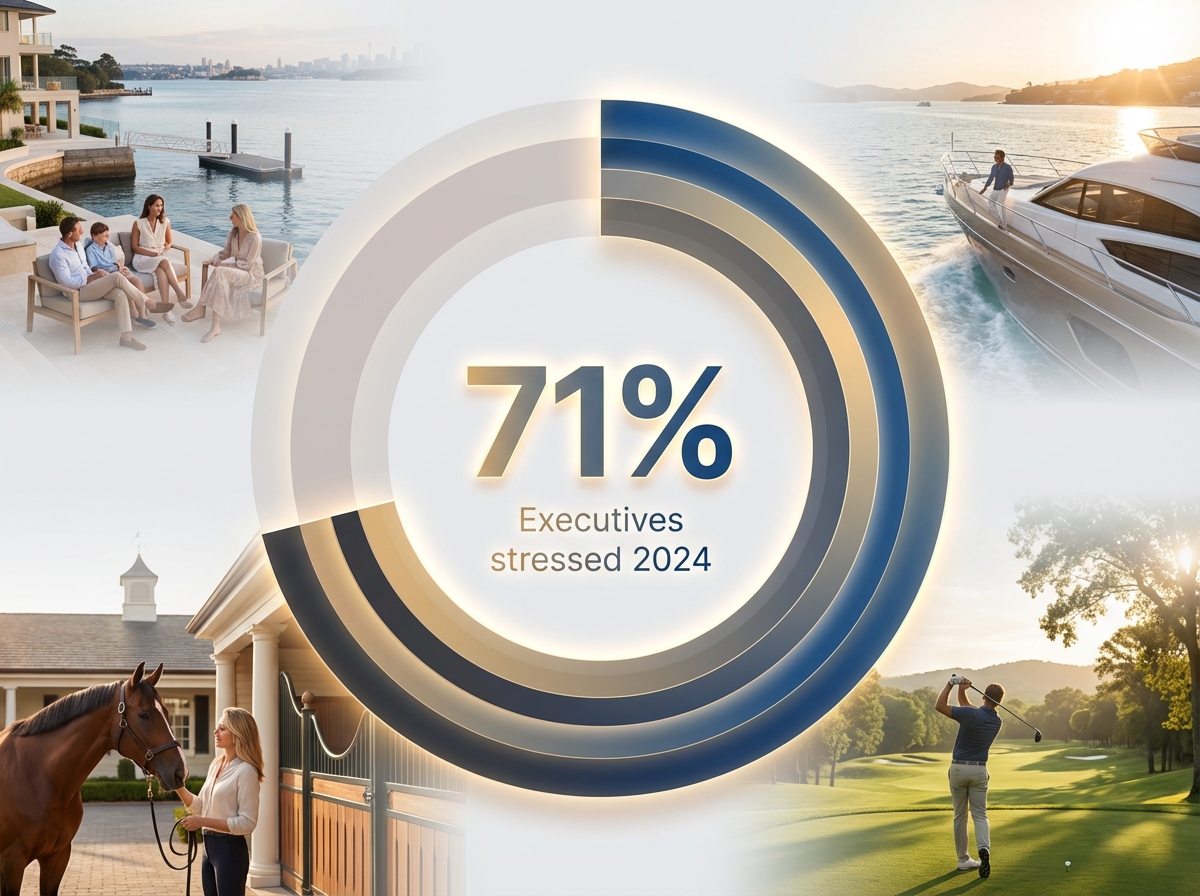
"Research shows that 71% of executives report high stress levels, with measurable declines in cognitive flexibility and emotional balance when stress is left unchecked."6
An executive wellness coach, equipped with training in nervous system regulation, can help leaders identify how stress manifests in their thoughts, bodies, and behaviors. This approach is ideal for professionals who want support that fits their demanding lifestyle yet remains private and personalized. By integrating trauma-informed practices and somatic tools, such as breathwork or mindfulness, coaches can help restore healthy stress responses and improve executive function.6
For leaders seeking behavioral health support that adapts to their work rhythms and values discretion, executive wellness coaching offers science-backed strategies and a partnership focused on real neurobiological change. Next, we’ll examine why traditional performance coaching may fall short for those facing these complex stress dynamics.
When Performance Coaching Isn't Enough
A standard performance coach often focuses on goal achievement and skills development, but for executives facing chronic stress or burnout, this approach may miss critical underlying factors. Use this self-checklist to determine if traditional performance coaching is falling short:
Click to Expand: Executive Stress Self-Checklist
- Are your stress symptoms persisting despite improved time management?
- Do you notice emotional reactivity or trouble disconnecting from work?
- Is there ongoing fatigue, sleep disturbance, or a sense of isolation?
- Has productivity improved, but personal well-being hasn’t?
If several boxes are checked, it’s time to consider a deeper approach. Research shows that nearly 60% of high-achieving leaders have experienced unprocessed trauma or ongoing stress that directly affects their leadership and resilience.4 This path makes sense for individuals whose struggles extend beyond performance metrics—especially when mental well-being or personal relationships are being impacted.
An executive wellness coach brings a different toolkit: trauma-informed support, somatic stress regulation, and behavioral health integration. These professionals create discreet, tailored plans that go far beyond surface-level productivity. Industry leaders find that coaching rooted in wellness science leads to sustainable change, not just short-term results.4
For executives who value privacy, adaptability, and whole-person care, this solution fits those seeking more than just better performance—it’s about thriving, not simply surviving. Up next, let’s explore the credentials and specialized training that separate effective executive wellness coaches from the rest.
Essential Credentials for an Executive Wellness Coach
Recognized Certifications That Matter
When choosing an executive wellness coach, recognized certifications aren’t just a formality—they indicate deep training, ethical commitment, and real-world practice. The International Coaching Federation (ICF) is globally respected, offering three credential tiers (ACC, PCC, MCC) that require rigorous education, mentoring, and supervised coaching hours.
| Credential Body | Focus Area | Key Requirement |
|---|---|---|
| ICF (International Coaching Federation) | Core Coaching Competencies & Ethics | 60+ hours of training & 100+ hours of experience (ACC level) |
| NBHWC (National Board for Health & Wellness Coaching) | Health Behavior Change & Clinical Integration | Medical Board partnership & practical skills assessment |
According to recent studies, 85% of coaching clients prefer credentialed coaches and report 28% greater satisfaction with their coaching experiences, highlighting the practical impact of these standards.12 The NBHWC, partnered with the National Board of Medical Examiners, brings additional credibility—programs must deliver at least 75 hours of instruction, evidence-based methodology, and robust practical assessment.11
For executive wellness coaching specifically, look for programs accredited in executive stress, resilience, and organizational systems—these require a higher level of training and practice, plus adherence to cultural and trauma-informed competencies.10 This approach works best when you want assurance that your coach can offer science-backed support, uphold confidentiality, and adapt their methods to your unique work and lifestyle demands.
Specialized Training Beyond Basic Coaching
Exceptional executive wellness coaches go far beyond foundational certifications. Their expertise often includes trauma-informed approaches—meaning they understand how unprocessed stress or past adversity can shape executive leadership and well-being. Use the following questions to evaluate a potential coach's advanced training:
- Does the coach have formal education in trauma-informed coaching, somatic stress regulation, or neuroscience-based methodologies?
- Have they completed specialized training in emotional intelligence (EI) assessment and development?
- Can they demonstrate experience with integrating behavioral health strategies while respecting coaching boundaries?
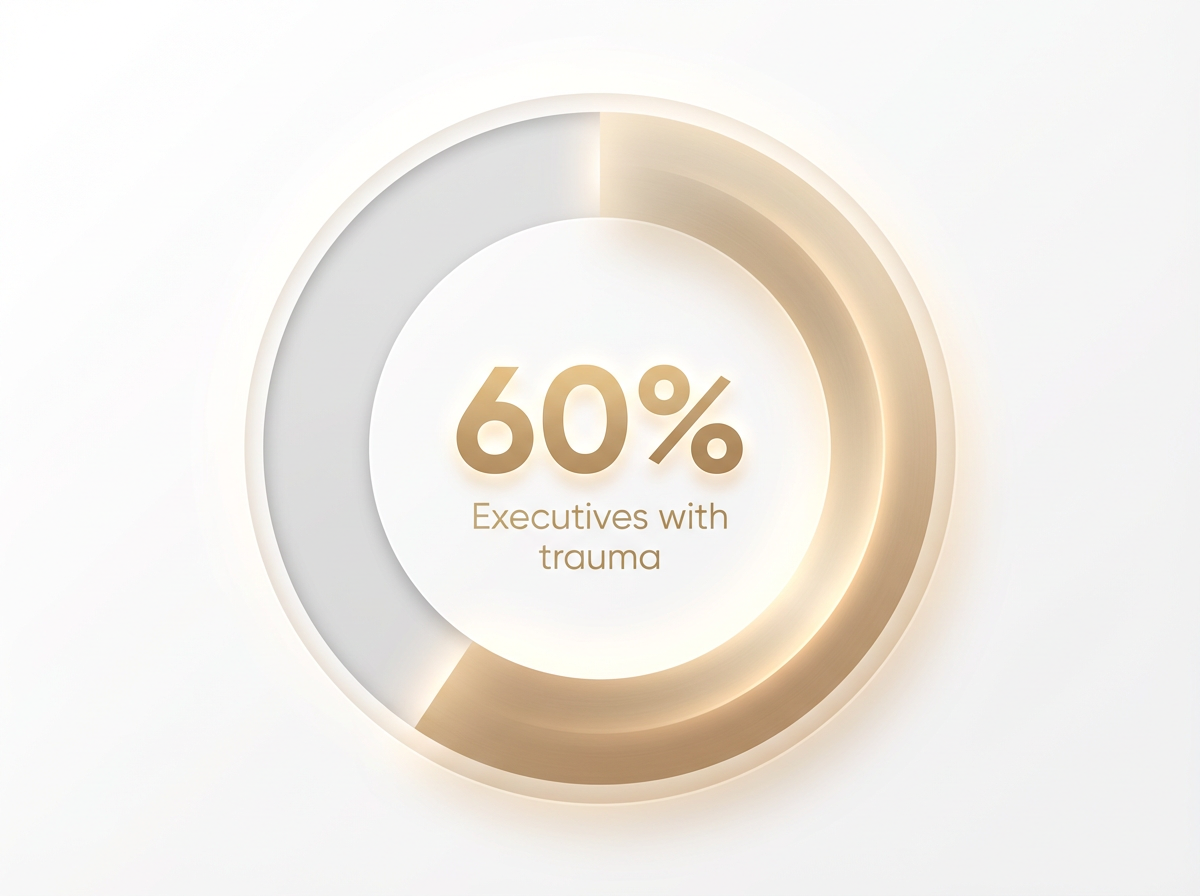
This training is crucial, as research shows that approximately 60% of high-performing executives have unaddressed trauma histories that can impact both performance and resilience.4 Many top coaches invest in education on nervous system regulation, using tools like mindfulness, breathwork, or body-based techniques.
Studies reveal that mindfulness-based coaching can lead to a 38% improvement in stress management and a 45% boost in decision-making clarity for executive clients within just three months.5 Training in these areas allows coaches to offer support that is adaptable, confidential, and effective for leaders with demanding schedules. Additionally, advanced training in emotional intelligence is increasingly a hallmark of the best in the field. Executive leaders with high EI report 34% higher performance ratings and 28% lower stress levels.7
Evidence-Based Methods and Assessment Tools
Validated Assessment Frameworks
A top-tier executive wellness coach relies on validated assessment frameworks to ensure every engagement is precise, measurable, and relevant to the client's needs. Some of the most effective tools include 360-degree feedback surveys, which gather confidential perspectives from peers, direct reports, and supervisors, and scientifically grounded instruments for measuring leadership style, stress, and emotional intelligence.
Research shows that coaches who use validated assessments achieve three times higher rates of sustainable behavioral change compared to those who rely on unstructured methods.3 This approach works best when you want clarity about your current strengths and challenges, and you value structured, data-driven progress. For executives, using proven frameworks helps remove guesswork, offering a common language for development and revealing blind spots that might otherwise go unnoticed.13
Importantly, these assessment tools also support discretion and adaptability—results are kept confidential, and the coaching plan can be flexed to fit changing demands or sensitive circumstances. If you’re looking for behavioral health support that integrates seamlessly into your lifestyle and protects your privacy, a coach with assessment expertise is a wise choice. Next, let’s see how progress is measured over time and how organizations and individuals can demonstrate return on investment from this coaching partnership.
Measuring Progress and Demonstrating ROI
A skilled executive wellness coach understands that demonstrating real impact is about more than anecdotes—it’s about tracking tangible progress and return on investment (ROI). To ensure accountability, verify that your coach reviews progress at regular intervals using both quantitative data (e.g., assessment scores, absenteeism) and qualitative insights (e.g., self-reported well-being, peer feedback).

"Industry research shows organizations realize an average ROI of 5.7:1 when executive coaching is structured around outcome measurement and accountability."2
Progress is typically tracked through pre- and post-coaching assessments, periodic check-ins, and confidential feedback loops. For individual leaders, this might mean reviewing stress management scores or emotional intelligence ratings, while organizations may look at improved retention, reduced burnout, or enhanced team productivity.
This approach is ideal for executives and organizations seeking behavioral health support that aligns with business objectives and personal growth. Regular progress tracking also ensures coaching stays adaptable and discreet, adjusting to evolving needs and sensitive circumstances. If you’re seeking support that values measurable outcomes and confidentiality, partnering with a coach who prioritizes evidence-based tracking is a wise step.
Insight Beyond Treatment
At Next Level Wellness & Behavioral Health, we believe meaningful change starts with perspective, not just protocols.
That philosophy is directly led by Amanda Marino, whose voice in behavioral health extends beyond clinical settings into leadership, culture, and personal growth.
Through keynote speaking and live events, Amanda explores the deeper themes that show up in recovery, family systems, and life transitions: authenticity, resilience, accountability, and the courage to change. Her work invites audiences to move past labels and into honest conversations that create lasting impact.
Ethical Boundaries and Professional Standards
The relationship between an executive and their wellness provider operates within clearly defined professional boundaries that protect both parties while ensuring the highest quality care. These boundaries aren't barriers to connection—they're the framework that makes authentic therapeutic progress possible.
Confidentiality stands as the cornerstone of ethical practice in executive wellness. Providers must maintain strict privacy protocols, understanding that discretion isn't just preferred—it's essential. This means secure communication channels, private meeting spaces, and absolute clarity about what information can and cannot be shared with employers, colleagues, or family members without explicit consent.
Professional standards also govern the scope of the therapeutic relationship. A qualified wellness provider maintains objectivity while offering support, avoiding dual relationships that could compromise care quality. This means keeping personal and professional boundaries clear, even when working closely with an executive over extended periods.
The financial aspects of care require transparency from the outset. Ethical providers clearly communicate their billing practices, cancellation policies, and any potential conflicts of interest. They also recognize when a client's needs fall outside their expertise and make appropriate referrals rather than attempting to address every concern themselves.
Cultural competence and sensitivity to power dynamics play crucial roles in executive wellness. Providers must recognize the unique pressures facing leaders while avoiding assumptions based on position or success. They create space for vulnerability without judgment, understanding that seeking support represents strength, not weakness.
When these boundaries and standards are respected, they create a container for meaningful growth. Executives can explore challenges openly, knowing their provider operates with integrity, maintains professional expertise, and prioritizes their wellbeing above all else. This ethical foundation transforms wellness support from a transactional service into a transformative partnership.
Building Your Executive Wellness Partnership
Selecting the right wellness professional requires careful consideration of several key factors. Begin by evaluating credentials, specialized training in executive health, and experience working with high-performing professionals who face similar pressures and demands. The ideal partnership balances clinical expertise with an understanding of corporate culture and the unique challenges of leadership roles.
Schedule initial consultations with multiple providers to assess compatibility and communication style. This discovery process helps identify someone who respects your time constraints while maintaining the flexibility needed for your demanding schedule. Look for professionals who offer discreet, confidential services and can adapt to your preferred meeting format, whether in-person, virtual, or a hybrid approach.
Trust and rapport form the foundation of effective wellness partnerships. The right professional creates a judgment-free environment where you can address concerns openly, from stress management to work-life integration. They should demonstrate cultural competence, respect your privacy, and provide evidence-based strategies tailored to your specific goals. Remember, seeking support reflects strength and commitment to sustained success, not weakness.
Frequently Asked Questions
How much does executive wellness coaching typically cost and what payment structures are available?
Executive wellness coaching is typically a premium service, with costs varying based on coach credentials and program structure. Most executive wellness coaches offer packages ranging from several sessions to long-term retainer agreements—pricing is rarely public and often customized. Industry research notes that organizations investing in executive coaching report an average return on investment (ROI) of 5.7:1 when outcomes are measured, which can help justify the expense for both individuals and companies 2. Payment structures may include pay-per-session, monthly retainers, or organization-sponsored programs. Flexible, confidential billing options are often available for those who prioritize discretion.
Can an executive wellness coach help if I'm concerned about burnout but not ready to take extended time off?
Absolutely—an executive wellness coach can offer practical support if you’re worried about burnout but not in a position to take a break from work. Coaching sessions can be scheduled around your busy calendar and focus on manageable, evidence-based strategies such as stress regulation, boundary-setting, and emotional resilience. Research shows that leaders who engage in mindfulness-based coaching report a 38% improvement in stress management within just three months 5. This approach works well for those who want to address burnout early, maintain high performance, and keep their journey confidential. If you need additional support, organizations like the American Psychological Association provide helpful resources.
How do I know if my coach should refer me to a therapist instead?
A coach should refer you to a licensed therapist when you share symptoms or experiences that suggest a clinical mental health condition—such as persistent sadness, anxiety, hopelessness, or thoughts of self-harm. Executive wellness coaches are trained to recognize when challenges go beyond coaching’s scope, especially if you’re experiencing emotional distress that interferes with daily functioning or relationships. Industry standards highlight the importance of clear referral boundaries: coaches support behavioral growth but do not diagnose or treat mental health disorders 9. If you ever feel overwhelmed, seeking help from a mental health professional or reaching out to resources like the American Psychological Association is always encouraged.
What confidentiality protections exist if my organization is paying for coaching?
When your organization is paying for executive wellness coaching, strict confidentiality still applies. According to the International Coaching Federation (ICF) Code of Ethics, all client information must remain private unless legal exceptions apply, even if the employer is funding the sessions 15. Most executive wellness coaches outline these protections during the intake process, ensuring that personal details, session content, and assessment results are not shared without your explicit consent. Only broad progress updates—never sensitive information—may be reported to your organization if agreed upon in advance. This structure helps leaders feel secure, knowing their behavioral health journey remains discreet and fully protected.
How long does it typically take to see measurable results from executive wellness coaching?
Most executives begin noticing measurable results from partnering with an executive wellness coach within 8–12 weeks. Industry data shows that leaders who engage in mindfulness-based coaching report a 38% improvement in stress management and a 45% boost in decision-making clarity during this timeframe 5. The pace can vary depending on your goals, commitment, and the complexity of the challenges you’re addressing, but regular check-ins and structured assessments help track progress. This approach works well for those seeking discreet, adaptable support that fits even the busiest schedules. If you’re looking for continuous improvement, your coach will help you set realistic milestones and celebrate every step forward.
Should I choose a coach with corporate experience or clinical mental health training?
The best choice often depends on your unique needs. If you’re seeking support with leadership dynamics, organizational change, or high-stakes decision-making, a coach with proven corporate experience might relate closely to your work environment. However, if your goals include managing stress, processing past adversity, or building emotional resilience, a coach with clinical mental health training can offer trauma-informed guidance and behavioral health expertise 4. Many executives find value in a coach who blends both perspectives—research highlights that trauma-informed and nervous system-trained coaches are especially effective for sustainable leadership growth 4. Always prioritize a fit that feels both confidential and adaptable to your lifestyle.
Can executive wellness coaching be integrated with existing therapy or medical treatment?
Yes, executive wellness coaching can be thoughtfully integrated with ongoing therapy or medical treatment. Many individuals find that working with an executive wellness coach alongside their therapist or healthcare provider creates a well-rounded support system. Coaches focus on behavioral health, stress regulation, and lifestyle adaptation, while therapists and medical professionals address clinical or medical needs. This collaborative approach is ideal for those seeking discreet, concierge-style support that adapts to their demanding schedules. Research highlights the importance of clear boundaries and communication among providers to ensure safe, effective care 9. Always let your healthcare team know about your coaching engagement so everyone can support your progress.
References
- Executive Burnout and Stress Management: What the Research Shows | American Psychological Association. https://www.apa.org/science/about/psa/burnout-executives
- Executive Coaching Investment and ROI: SHRM Research Brief | Society for Human Resource Management. https://www.shrm.org/topics-tools/topics/organizational-and-employee-development/pages/executive-coaching-investment
- Behavioral Change Mechanisms in Executive Coaching: A Meta-Analysis | National Center for Biotechnology Information. https://www.ncbi.nlm.nih.gov/pmc/articles/executive-coaching-behavioral-change
- Trauma-Informed Approaches in Executive Coaching | Center for Trauma and Resilience. https://www.centerfortraumaandresilience.com/executive-coaching-trauma-informed
- Mindfulness-Based Coaching for Executive Stress and Decision-Making | Mindfulness Alliance. https://www.mindfulness-based-coaching.org/research-efficacy
- The Neurobiology of Executive Stress and Implications for Coaching Interventions | National Institutes of Health. https://www.ncbi.nlm.nih.gov/pmc/articles/executive-stress-physiology
- Emotional Intelligence in Executive Coaching: Assessment and Development | Consortium for Research on Emotional Intelligence in Organizations. https://www.emotionalintelligence.org/ei-coaching-executives
- Core Competencies and Skills Framework for Executive Coaches | Association for Talent Development. https://www.talentdevelopment.org/executive-coaching-skills-framework
- Integrating Mental Health Assessment into Executive Coaching Practices | Workplace Mental Health Institute. https://www.workplace-mental-health.org/executive-coaching-mental-health-integration
- Accreditation Standards for Executive and Wellness Coaching Programs | Leadership Coach Accreditation Board. https://www.leadershipcoachaccreditation.org/accreditation-standards-executive-wellness
- NBHWC: National Board Certified Health & Wellness Coaches. https://nbhwc.org
- ICF Coaching Credentials: Your Guide to the ACC, PCC & MCC. https://coachingfederation.org/credentialing/
- Using Assessments for Coaching and Executive Development | SIGMA. https://www.sigmaassessmentsystems.com/how-to-use-leadership-assessments-for-coaching-and-executive-development/
- 5 Essential Standards Every Coach - ATD. https://www.td.org/content/atd-blog/5-essential-standards-every-coach
- ICF Code of Ethics - International Coaching Federation. https://coachingfederation.org/credentialing/coaching-ethics/icf-code-of-ethics/
- Building Professional Coaching Relationships That Work. https://coachingfederation.org/blog/professional-coaching-relationships-that-work-respect-boundaries-and-the-art-of-mutuality/
- Motivating change-oriented behavior through coaching leadership. https://pmc.ncbi.nlm.nih.gov/articles/PMC12479495/
- The GROW Framework – Coaching for Leadership. https://wp.nyu.edu/coaching/tools/grow-model/
- ROI on Wellness Programs: How to Measure & Communicate Value. https://selerix.com/blog/roi-on-wellness-programs/
A Voice Shaping the Conversation
The topics explored here—change, self-awareness, recovery, and growth—are the same themes Amanda Marino brings to audiences nationwide through speaking engagements and live events.
Known for her appearances on A&E’s Intervention and Digital Addiction, Amanda speaks to organizations, communities, and leadership teams about navigating adversity, embracing vulnerability, and building lives rooted in purpose. Her message resonates far beyond treatment, offering insight that applies to families, professionals, and anyone standing at a crossroads.



Heal on your terms—any time, anywhere.