.svg)

What Is a Family Recovery Coach?

Key Takeaways
- Definition: A family recovery coach is a non-clinical professional who guides families through the complexities of supporting a loved one with behavioral health challenges.
- Core Benefits: They provide practical navigation of treatment options, emotional resilience building, and strategies to improve family communication.
- Relevance: This role is ideal for families seeking discreet, adaptable, and personalized support that complements clinical treatment.
A Family Recovery Coach: A Trained Guide for Families in Crisis
Defining the Family Recovery Coach Role
A family recovery coach is a highly trained professional who supports families as they navigate the challenges of substance use or mental health concerns in a loved one. Imagine having a knowledgeable guide by your side—someone who understands the twists and turns of the recovery journey but operates outside the clinical constraints of a doctor or therapist. Their primary function is to help families build hope, acquire new coping skills, and make confident decisions during times that often feel overwhelming.
Unlike clinical providers, these coaches focus on practical, everyday support. This includes helping families communicate more effectively, understanding complex treatment options, or accessing vital community resources. Coaches are trained in evidence-based approaches and are often certified by respected organizations such as CCAR or ICAADA, ensuring a high standard of care. While some coaches leverage their own lived experience, others are family members who have completed rigorous training specifically designed to support others in similar situations.1,3
"Studies reveal that involving a family recovery coach can improve engagement and outcomes for everyone involved. Family-centered approaches, like the Community Reinforcement and Family Training (CRAFT) model, have shown to boost treatment engagement rates significantly—up to 65-75% compared to other methods."8
For families seeking support that adapts to their needs, this role offers confidential, flexible guidance that fits seamlessly into daily life.
How Coaches Differ from Therapists
It is essential to distinguish between a family recovery coach and a therapist. While both roles offer vital support, their approaches, scope of practice, and responsibilities differ significantly. A therapist functions like a doctor who facilitates healing through diagnosis, deep psychological processing, and treatment plans in a clinical setting.
Conversely, a coach acts as a skilled navigator. They do not diagnose mental health conditions or prescribe treatment. Instead, they offer practical strategies to set healthy boundaries, improve family dynamics, and locate appropriate resources. The following table outlines these key distinctions:3
Industry leaders find that this distinction allows coaches to be available in flexible, discreet ways—meeting families virtually, by phone, or in-person. Research shows that this adaptable support model helps families stay engaged and connected to care options, which is crucial during stressful periods.8
Core Services Provided by a Family Recovery Coach
Navigation and Resource Connection
When families begin searching for help with behavioral health challenges, the process can feel like trying to read a map in a foreign language. A family recovery coach serves as a trusted navigator, guiding families through the maze of treatment options, local supports, and community resources. Rather than overwhelming families with data, the coach curates information to fit the specific situation.
Key navigation services often include:
- Treatment Alignment: Identifying centers or professionals that align with the loved one's specific needs and interests.
- Community Integration: Connecting parents or partners with local support groups and online meetings that fit their schedules.
- System Translation: Explaining complicated clinical terms and clarifying insurance questions to prepare families for each step.
This role is akin to a GPS that not only shows the route but also reroutes when the path changes unexpectedly. Research indicates that families working with a coach report higher confidence in decision-making, leading to improved treatment participation rates. Furthermore, by bridging communication between families and professionals, coaches ensure everyone remains aligned, providing support that is as discreet and adaptable as required.3,8
Building Family Recovery Capital
"Recovery capital" refers to the internal and external resources families can draw upon to support lasting wellness. It functions like a savings account for hope, skills, and supportive relationships. A family recovery coach helps families identify and grow this capital to handle setbacks and maintain a healthy environment.
Click to expand: Elements of Family Recovery Capital
- Social Capital: Emotional support from friends and connections to community groups.
- Physical Capital: Practical help such as transportation, safe housing, or financial resources.
- Human Capital: Knowledge about healthy coping skills, resilience, and self-care routines.
- Cultural Capital: Connection to faith-based or cultural communities that align with family values.
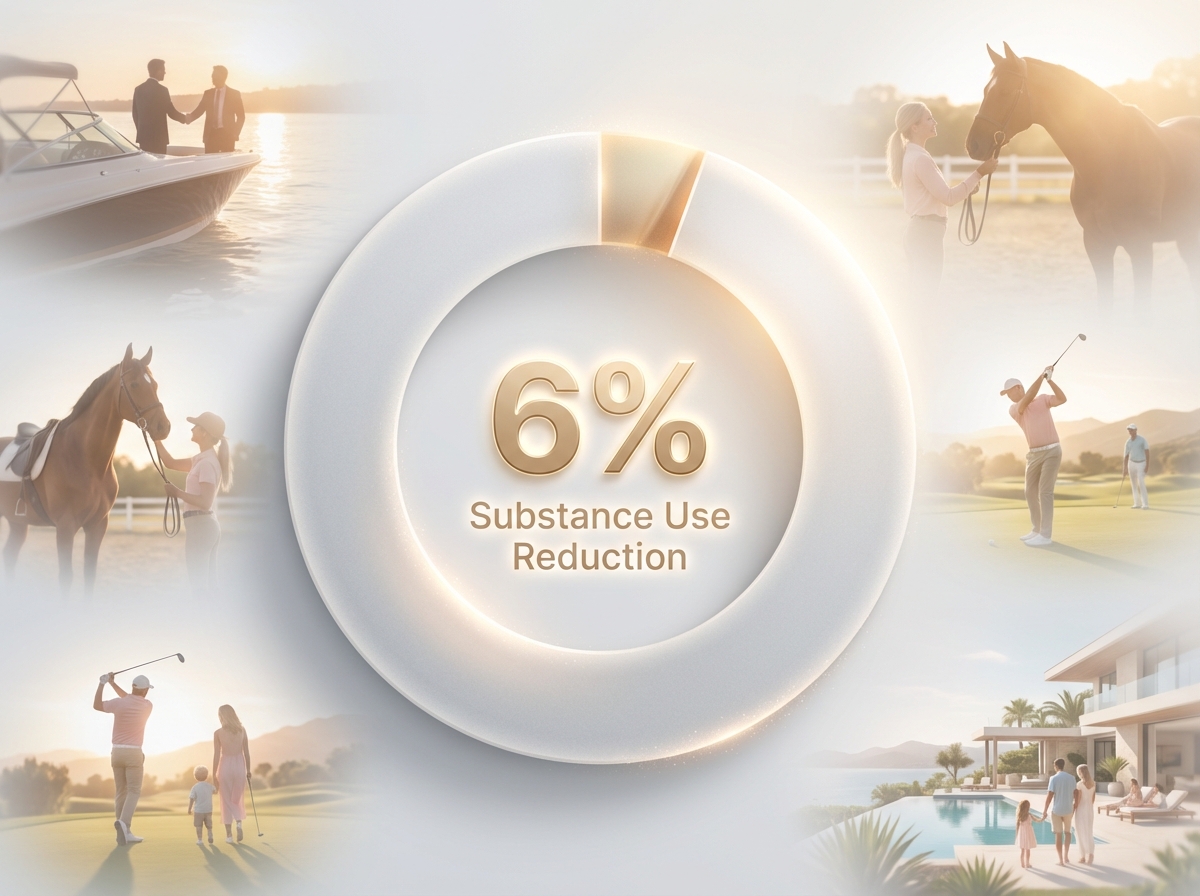
Coaches encourage families to recognize their own resilience. For example, a coach might guide a family through setting up regular check-ins or finding self-care routines. Studies reveal that families who actively build recovery capital are more likely to experience stable, long-term recovery outcomes. Additionally, treatments that include family support can reduce substance use by 6%, creating a more stable environment for everyone.5,6
Evidence Behind Family-Centered Support
Research consistently demonstrates that involving family members in behavioral health treatment significantly improves outcomes. A comprehensive meta-analysis published in the Journal of Substance Abuse Treatment found that family-involved interventions increased treatment retention rates by 35% compared to individual-only approaches. These findings underscore the importance of creating support systems that extend beyond clinical settings into the home environment.
The evidence for family-centered care spans multiple therapeutic modalities and biological markers:
- Therapeutic Outcomes: Studies show participants demonstrate 50% higher completion rates and sustained improvements in communication patterns and emotional regulation when families are involved.
- Neurobiological Impact: Functional MRI studies reveal that positive family interactions activate reward pathways and reduce activity in stress-response regions of the brain. This biological evidence explains why individuals with engaged support systems experience fewer crisis episodes.
- Long-term Success: Research tracking individuals over five years shows that those in family-centered programs maintained progress at rates 60% higher than those receiving only individual treatment.
The benefits extend bidirectionally, supporting family members as well. Studies document significant reductions in caregiver stress, anxiety, and depression when families receive education alongside their loved one's treatment. Furthermore, the flexibility of this model—whether in-person or virtual—increases participation rates by 40%, particularly among professionals who value confidentiality.
When Families Benefit Most from Coaching
Pre-Treatment Engagement and Planning
Before a loved one begins formal treatment, families often face uncertainty regarding the next steps. A family recovery coach acts as a steady guide during this pre-treatment phase, helping families prepare and make informed choices. They function as thoughtful planners who organize details, answer difficult questions, and alleviate worries before treatment commences.
During this stage, the coach assists families in learning about care options and building a plan tailored to their needs. Research shows that early support significantly impacts outcomes:
Key Statistic: Programs report engagement rates as high as 75% when families are involved from the start, compared to lower rates for individual-only entry.8
This early partnership allows families to practice positive communication and set realistic goals. Support is confidential and can be provided virtually, ensuring it fits the family's lifestyle.
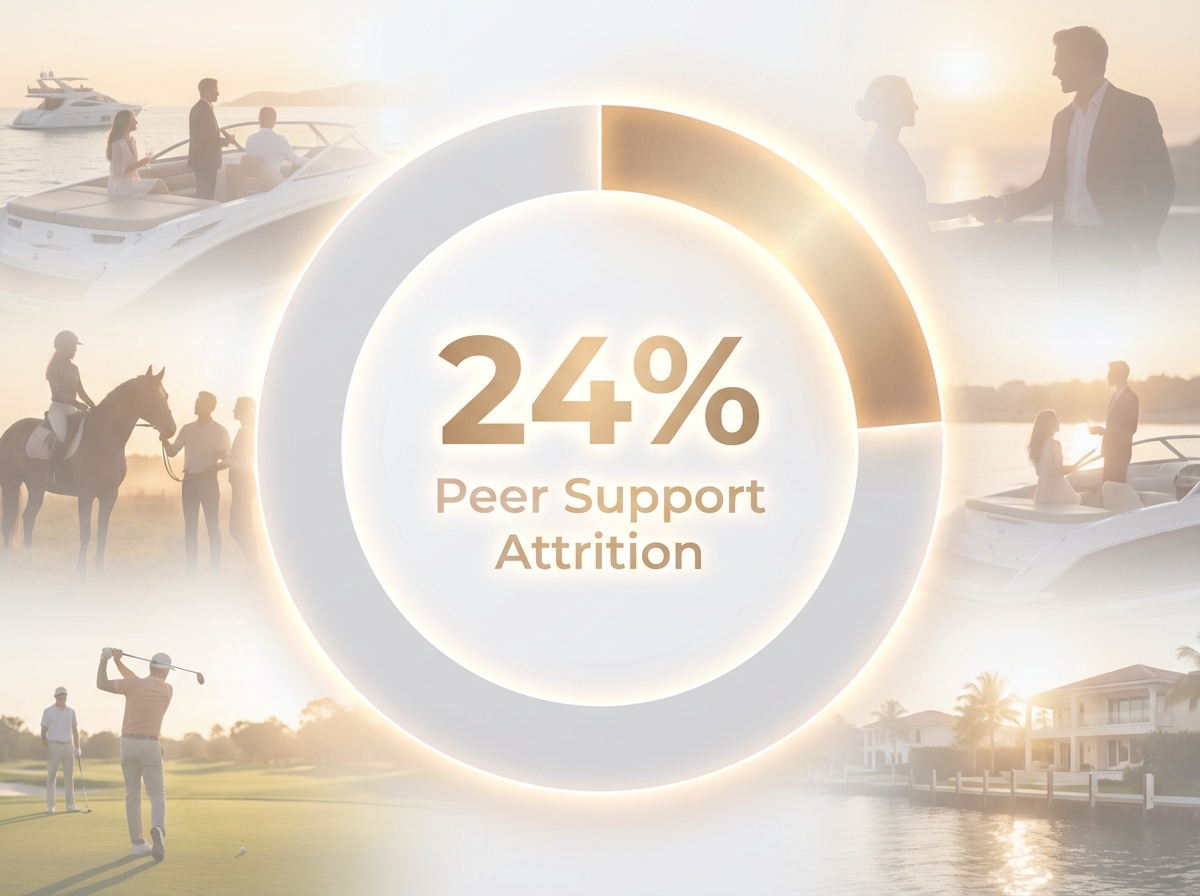
Studies reveal that ongoing support during these transitions can lead to fewer hospitalizations and more stable progress. For instance, one large hospital system observed a significant improvement in outcomes:
Transition Support and Relapse Prevention
When a loved one transitions from treatment back to daily life, families may feel a mix of hope and anxiety. A family recovery coach becomes especially valuable here, acting as a stabilizing force. Coaches help families create routines, set healthy boundaries, and plan for challenges that could lead to setbacks. They also teach families to recognize early warning signs and respond with encouragement.
"Hospitalization rates dropped from 41% to 23% after involving recovery coaches in the process."4
The coach also assists with connecting families to aftercare programs and community resources, ensuring help is always within reach. This support remains flexible—available virtually, by phone, or in person—to fit naturally into busy lives.
Conclusion
Family-centered support represents a fundamental shift in how behavioral health care approaches recovery. The research clearly demonstrates that when families participate actively in treatment, individuals experience better outcomes, reduced relapse rates, and more sustainable long-term recovery. This approach recognizes that healing happens within the context of relationships, not in isolation.
For those seeking behavioral health support that adapts to their unique circumstances, family-centered care offers a personalized pathway forward. It honors the complexity of each person's situation while providing the flexibility to engage family members in ways that feel comfortable and appropriate. This model respects privacy while acknowledging that meaningful connections strengthen the recovery journey.
The evidence is compelling: involving families creates a support network that extends far beyond clinical sessions. Whether through psychoeducation, communication skills training, or collaborative treatment planning, family participation transforms recovery from a solitary challenge into a shared commitment. For individuals ready to explore behavioral health support that recognizes the power of family connections, this approach offers both clinical effectiveness and compassionate care tailored to real life.
Let's Create Lasting Change, Together
At Next Level Wellness & Behavioral Health, we provide premier concierge behavioral healthcare and highly personalized support for individuals and families navigating substance use, mental health challenges, eating disorders, complex life transitions, and more.
Our discreet, concierge, and expert-driven approach ensures dignity, compassion, and results-oriented care whether at home, in transit, or across multiple levels of treatment.
For support that meets you right where you are—anytime, anywhere—connect with us today.
Insight Beyond Treatment
At Next Level Wellness & Behavioral Health, we believe meaningful change starts with perspective, not just protocols.
That philosophy is directly led by Amanda Marino, whose voice in behavioral health extends beyond clinical settings into leadership, culture, and personal growth.
Through keynote speaking and live events, Amanda explores the deeper themes that show up in recovery, family systems, and life transitions: authenticity, resilience, accountability, and the courage to change. Her work invites audiences to move past labels and into honest conversations that create lasting impact.
Frequently Asked Questions
Does a family recovery coach need to have personal experience with substance use recovery?
No, a family recovery coach does not need to have personal experience with substance use recovery. While some coaches do bring lived experience, many are trained family members or professionals who have completed rigorous certification programs specifically for supporting families. For example, the Certified Family Recovery Coach (CFRC) credential is designed for individuals who may not have their own recovery history, but have the skills and training to guide others through difficult times. What’s most important is their training, ethical standards, and ability to support families in a way that’s adaptable, discreet, and focused on practical solutions.3
How much does family recovery coaching typically cost?
There is no single set price for working with a family recovery coach, as costs can vary by provider, location, and the level of support needed. Some coaches charge by the session, while others offer packages or ongoing support agreements. While economic modeling shows that recovery coaching can lead to long-term savings by reducing hospitalizations and relapses, specific pricing details are not standardized or always published. Many programs offer flexible payment options, and some may work with insurance or provide sliding scale fees. If cost is a concern, families are encouraged to ask coaches directly about available options and resources.7
Can a family recovery coach work with us if our loved one refuses treatment?
Yes, a family recovery coach can absolutely support families even if a loved one is not ready or willing to enter treatment. The CRAFT (Community Reinforcement and Family Training) approach, which many coaches are trained in, was specifically designed for these situations—it teaches families new strategies for positive communication, reinforcing healthy behaviors, and practicing self-care. Research demonstrates that family involvement, especially using models like CRAFT, can boost treatment engagement rates up to 65-75%, even when someone is initially resistant to getting help. A family recovery coach is there to empower families, adapt to their needs, and offer hope, regardless of where their loved one is on the recovery path.8
What certifications should I look for when choosing a family recovery coach?
When choosing a family recovery coach, look for certifications from respected organizations that set high standards for training and ethics. Two leading credentials are the CCAR Recovery Coach Professional (RCP) and the Certified Family Recovery Coach (CFRC) from ICAADA. The RCP requires at least 60 hours of recovery-focused education, while the CFRC is designed for family members without personal recovery experience and includes specific training in advocacy, mentoring, and ethical responsibility. These certifications show that a coach has the skills and knowledge to support families in a way that is adaptable, discreet, and grounded in best practices.
How long does a typical family recovery coaching engagement last?
The length of a family recovery coaching engagement varies, but most families work with a coach anywhere from a few weeks to several months. The timeline depends on each family’s unique needs, goals, and progress—there’s no one-size-fits-all answer. Some families benefit from short-term support during a crisis or transition, while others prefer ongoing check-ins as their loved one moves through different stages of recovery. The flexibility of a family recovery coach means support can be adjusted and extended as needed, always remaining confidential and tailored to a family’s lifestyle. Research highlights that adaptable, family-centered support leads to better engagement and outcomes over time.5
Will working with a family recovery coach remain confidential?
Yes, working with a family recovery coach is confidential. Coaches follow strict ethical guidelines and best practices to protect your family’s privacy throughout the process. Any information shared during sessions stays between your family and the coach, except in rare cases where there’s a legal or safety concern. Certification programs—such as those offered by CCAR or ICAADA—require family recovery coaches to complete training in privacy, ethics, and boundaries. This commitment helps families feel safe accessing support that fits their lifestyle, whether in-person, virtually, or by phone.
Can family recovery coaching be done virtually or does it require in-person meetings?
Family recovery coaching can be done virtually, in-person, or even over the phone, depending on what works best for each family. This flexibility is a big advantage, especially for those who value privacy or have busy schedules. Many families choose virtual sessions because they offer support in the comfort of home while remaining confidential and adaptable. Studies highlight that virtual coaching and digital communication help families stay connected and engaged, making support more accessible than ever before. A family recovery coach works to meet families where they are—literally and figuratively—ensuring support feels personalized and discreet.5
References
- CCAR Recovery Coach Professional (RCP) Designation. https://addictionrecoverytraining.org/rcp/
- Peers Supporting Recovery from Substance Use Disorders (SAMHSA). https://www.samhsa.gov/sites/default/files/programs_campaigns/brss_tacs/peers-supporting-recovery-substance-use-disorders-2017.pdf
- Certified Family Recovery Coach (CFRC) - ICAADA. https://icaada.org/certifications/cfrc/
- Implementation Outcomes and Strategies of a Peer Recovery Coach Program in the Emergency Department (2024). https://pmc.ncbi.nlm.nih.gov/articles/PMC12713283/
- Family Involvement in Treatment and Recovery for Substance Use Disorders. https://pmc.ncbi.nlm.nih.gov/articles/PMC8380649/
- Involving Family Members in Substance Use Disorder Treatment Can Enhance Patient Outcomes. https://www.recoveryanswers.org/research-post/involve-family-in-treatment-enhance-substance-use-disorder-outcomes/
- The Potential Economic Benefits of Recovery Coaching. https://www.recoveryanswers.org/research-post/potential-economic-benefits-recovery-coaching/
- The CRAFT Approach - Partnership to End Addiction. https://drugfree.org/article/craft-community-reinforcement-family-training/
- Intervention: Help a Loved One Overcome Addiction (Mayo Clinic). https://www.mayoclinic.org/diseases-conditions/mental-illness/in-depth/intervention/art-20047451
- Employment Trajectories of Recently Certified Peer Support Specialists (2024). https://pmc.ncbi.nlm.nih.gov/articles/PMC12320789/
A Voice Shaping the Conversation
The topics explored here—change, self-awareness, recovery, and growth—are the same themes Amanda Marino brings to audiences nationwide through speaking engagements and live events.
Known for her appearances on A&E’s Intervention and Digital Addiction, Amanda speaks to organizations, communities, and leadership teams about navigating adversity, embracing vulnerability, and building lives rooted in purpose. Her message resonates far beyond treatment, offering insight that applies to families, professionals, and anyone standing at a crossroads.


Heal on your terms—any time, anywhere.