.svg)

A Guide to the Intervention Process Steps

Key Takeaways
- Essential Prerequisites: A unified team of trusted individuals and a professional facilitator to ensure discretion and safety.
- Core Steps:
- Assemble a supportive, non-judgmental team.
- Research and select adaptable treatment options.
- Plan and rehearse compassionate impact statements.
- Final Outcome: A structured, private environment that empowers your loved one to accept help and begin a tailored recovery journey.
Understanding Intervention Process Steps
Why Structured Interventions Work
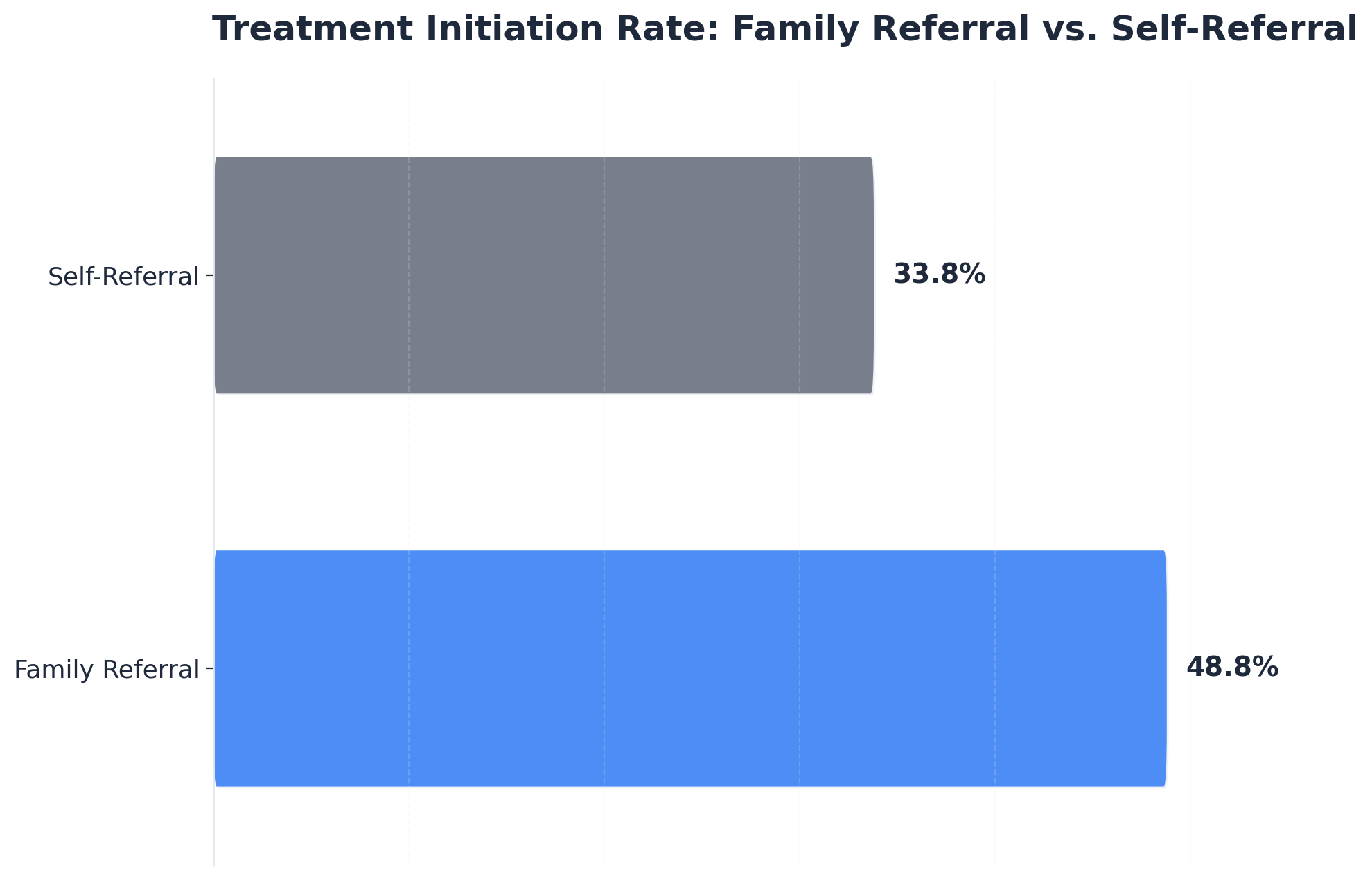
Structured interventions work because they replace chaos and uncertainty with a thoughtful plan. Instead of leaving conversations about recovery up to chance, families and professionals use clear intervention process steps that have been shown to increase the likelihood of someone engaging in care. Research shows that when families are directly involved and a professional guides the process, individuals are more likely to enter treatment—48.8% of those referred by family initiate treatment, compared to just 33.8% who seek help on their own.7 This highlights the powerful role of structure and support.
Readers might be wondering why structure matters so much. It’s because structured interventions create a safe environment where hope and practical support are offered, not blame or confrontation. This approach is particularly important for those who value privacy and need a discreet, adaptable solution that fits their lifestyle. Industry experts have found that even for those who are initially hesitant, a step-by-step process can help reduce fear and resistance.1
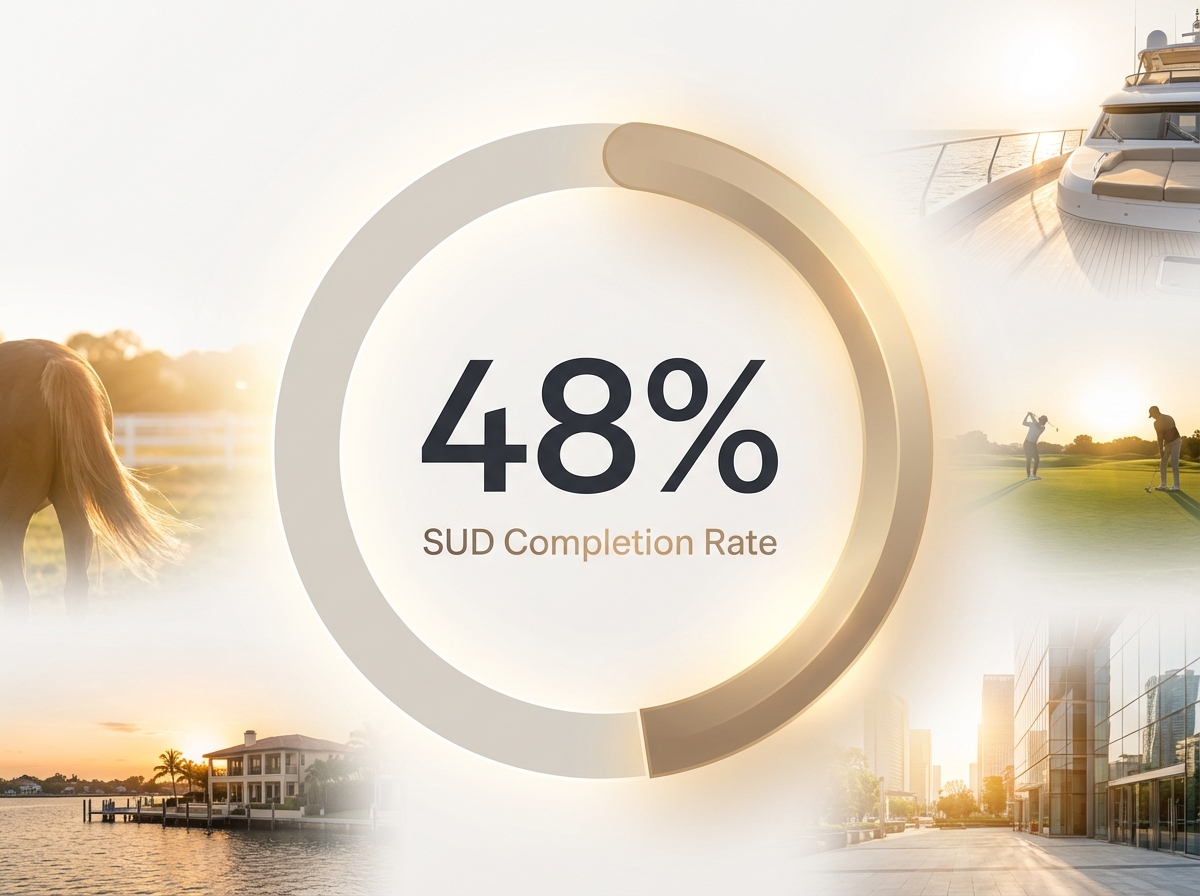
A well-structured intervention also builds in aftercare and ongoing support, which is crucial since only about 48% of people who enter treatment complete it.6 That’s why most professional intervention process steps include follow-up and recovery planning. Next, the guide will break down how to assemble the right intervention team—an essential first step for success.
Modern Approaches vs. Confrontation
Years ago, many interventions relied on direct confrontation—gathering loved ones to deliver tough messages in hopes of prompting a change. While this method is familiar from television, research shows these confrontational approaches can sometimes cause more harm than good. When someone feels pressured or shamed, they may withdraw, become defensive, or resist help, making recovery even more challenging.1 Modern intervention process steps now favor collaboration, empathy, and respect for personal autonomy.
Today’s best practices are built on evidence-based models like CRAFT (Community Reinforcement and Family Training), which focuses on positive reinforcement and open communication. Studies reveal that CRAFT engages approximately two-thirds of individuals who were initially hesitant to seek treatment—2–3 times better than older confrontational models.8 Instead of ultimatums, modern interventions use encouragement, practical support, and tailored plans that protect privacy and adapt to each person’s needs. This is especially important for those who want discretion or who manage demanding professional or personal lives.
| Approach | Focus | Typical Outcome |
|---|---|---|
| Confrontational | Pressure, ultimatum | Resistance, withdrawal |
| Collaborative | Support, encouragement | Engagement, acceptance |
If you or someone you care about is considering an intervention, confidential help is available 24/7 through the SAMHSA National Helpline: 1-800-662-HELP.3 Next, the guide will explore how to assemble your intervention team for the strongest foundation.
Step 1: Assemble Your Intervention Team
Selecting the Right Team Members
Selecting the right team members sets a strong foundation for the intervention process steps. The best teams are made up of people who genuinely care, are trusted by the individual, and can stay calm under pressure. These might include close family, friends, mentors, or even colleagues who have a supportive relationship. Including people who understand the importance of discretion is especially important for those with privacy concerns or demanding lifestyles.

Research shows that interventions are most effective when the team is unified and focused on encouragement rather than blame.1 It's wise to choose members who can express hope, share practical support, and avoid judgmental language. Experts note that helpful conversations come from those who are respected and can offer both honesty and compassion.10
If any team member has a strained relationship with the person at the center of the intervention, it’s helpful to discuss this openly with a professional beforehand. Sometimes, it’s best for certain individuals to show their support from a distance rather than participate directly, to keep the process positive and safe for everyone involved. Once the team is assembled, the next step in the intervention process steps is to consider involving a professional facilitator to keep things on track and ensure everyone’s voice is heard.
Engaging a Professional Facilitator
Engaging a professional facilitator is a crucial part of the intervention process steps, especially for those who want a discreet and effective experience. A trained interventionist brings expertise in guiding sensitive conversations and helps the team stay focused, calm, and supportive. Research shows that interventions planned with professional guidance are more likely to result in someone entering treatment, with professionals helping to organize the process, manage emotions, and recommend the most suitable next steps.1
Professional facilitators understand the importance of privacy and can adapt their approach to fit the needs of busy professionals or families who value confidentiality. They act as neutral guides, ensuring every voice is heard and that the conversation remains respectful and productive. Studies reveal that when a facilitator is involved, teams are better prepared to handle unexpected reactions and to avoid common pitfalls, such as letting strong emotions derail the discussion.1
For those seeking a more concierge experience, many facilitators now offer virtual options and flexible scheduling to accommodate unique lifestyles. Individuals or families can find qualified facilitators through professional associations, trusted healthcare providers, or the SAMHSA National Helpline for confidential referrals.3 With a professional facilitator in place, the intervention team can move forward confidently to the next step: researching and choosing the right treatment options.
Step 2: Research Treatment Options
Understanding your treatment options is a crucial step in finding care that works for your unique situation. Behavioral health treatment has evolved significantly, offering flexible pathways that adapt to individual circumstances rather than requiring you to conform to rigid schedules or settings. Research shows that individuals who select treatment modalities aligned with their personal needs and preferences demonstrate 40-60% higher completion rates compared to those in mismatched programs.
Consider factors like treatment philosophy, staff credentials, program duration, privacy measures, and whether the approach addresses co-occurring conditions. Many people benefit from consulting with a behavioral health professional who can provide personalized recommendations based on your specific situation, preferences, and goals. The table below outlines common treatment structures to help you identify the best fit.
| Treatment Type | Description | Best Suited For |
|---|---|---|
| Outpatient Programs | Structured support including individual therapy and group sessions scheduled around your availability. | Individuals maintaining daily responsibilities like work and family commitments. |
| Intensive Outpatient (IOP) | More frequent sessions providing additional structure without residential requirements (e.g., evening programs). | Professionals needing comprehensive support while maintaining their career. |
| Residential Treatment | Immersive 24/7 environments with professional support, wellness amenities, and private accommodations. | Those needing a break from daily triggers and a focus entirely on recovery. |
| Telehealth Services | Sessions with licensed therapists and psychiatrists conducted via secure digital platforms. | Those with demanding schedules, mobility issues, or a preference for high discretion. |
| Medication-Assisted Treatment (MAT) | Combines FDA-approved medications with counseling to address physical and psychological aspects. | Individuals with substance use challenges needing physiological stabilization. |
Insight Beyond Treatment
At Next Level Wellness & Behavioral Health, we believe meaningful change starts with perspective, not just protocols.
That philosophy is directly led by Amanda Marino, whose voice in behavioral health extends beyond clinical settings into leadership, culture, and personal growth.
Through keynote speaking and live events, Amanda explores the deeper themes that show up in recovery, family systems, and life transitions: authenticity, resilience, accountability, and the courage to change. Her work invites audiences to move past labels and into honest conversations that create lasting impact.
Step 3: Plan and Rehearse the Intervention Process Steps
Preparing Individual Impact Statements
Preparing individual impact statements is a vital part of the intervention process steps. Each team member creates a short, heartfelt message that focuses on their own feelings and experiences, rather than assigning blame. These statements should use "I" language and avoid making accusations. This approach helps keep the conversation supportive, honest, and centered on care.
"I feel worried when I see you struggling, and I want to support you in getting back to the healthy, vibrant person I know you are."
Industry leaders find that when impact statements are clear and compassionate, the person at the center of the intervention is more likely to feel understood and less likely to become defensive.10 Helpful impact statements offer hope and practical support, showing the individual that they are valued and not alone. It's important for each team member to write out their statement ahead of time and practice reading it out loud to ensure it sounds genuine and supportive.
Studies reveal that interventions grounded in empathy and respect, rather than confrontation, lead to better engagement and outcomes.1 For those seeking a discreet, concierge approach, preparing these statements in advance allows for a calm, adaptable process that fits unique family and professional needs. Once everyone has their impact statement ready, the team will be prepared to rehearse the entire conversation and plan for various responses.
Rehearsal and Anticipating Responses
Rehearsing the conversation as a team is a critical step in the intervention process steps. This practice session allows each member to read their impact statement out loud, become comfortable with the flow, and receive supportive feedback. Teams often find that a rehearsal helps calm nerves and ensures everyone’s message is clear and encouraging, not overwhelming or confrontational. Practicing together also helps identify any language that might trigger defensiveness, so adjustments can be made for a more compassionate approach.1
During rehearsal, it’s helpful to role-play possible reactions. For example, the individual might respond with denial, anger, sadness, or even relief. Anticipating these emotions and having calm, supportive responses ready makes the actual intervention run much smoother. Industry leaders find that teams who rehearse are better prepared to stay focused and united, even if the conversation takes an unexpected turn.1
If the team feels unsure how to handle certain reactions, consulting a professional facilitator for guidance can be invaluable. Accessing confidential support through resources like the SAMHSA National Helpline (1-800-662-HELP) can also provide peace of mind.3 With rehearsal complete, the team is ready to move forward to the next intervention process step: conducting the conversation itself.
Conclusion
The treatment landscape offers diverse options designed to meet individuals at different points in their journey. From intensive residential programs that provide immersive therapeutic environments to flexible outpatient services that integrate seamlessly into daily routines, understanding these choices empowers individuals to select care that aligns with their specific circumstances. Whether seeking comprehensive programs with specialized therapeutic approaches or more flexible arrangements that maintain privacy and accommodate work or family commitments, quality treatment exists across the spectrum of care intensity.
Finding the right treatment match requires thorough research and an honest assessment of personal needs, preferences, and lifestyle considerations. By carefully evaluating factors such as treatment philosophy, therapeutic modalities, program structure, and practical considerations like location and scheduling flexibility, individuals can connect with compassionate professionals and programs that truly fit. The investment in researching options thoughtfully increases the likelihood of engaging with care that feels both accessible and effective for one's unique situation.
Frequently Asked Questions
What if my loved one refuses to participate even after a professionally-led intervention?
If a loved one declines to participate even after well-planned, professionally-led intervention process steps, it can feel discouraging. However, research shows that treatment refusal is not uncommon, especially early on.1 The key is not to give up hope. Many families find that maintaining open, compassionate communication and continuing to offer support over time can make a difference. Studies reveal that indirect, relationship-based approaches like CRAFT can engage about two-thirds of those who initially refuse treatment, often succeeding where direct confrontation has not.8 For guidance on next steps and ongoing support, families can reach out to confidential resources such as the SAMHSA National Helpline (1-800-662-HELP).3
How can I maintain confidentiality and discretion during the intervention process?
Maintaining confidentiality and discretion during the intervention process steps is a top priority for many families and professionals. Experts recommend working with a licensed interventionist or behavioral health professional who is trained to uphold strict privacy standards.5 Before the process begins, the team should agree on clear boundaries about what information will be shared and with whom. Communication is key—using secure methods like private meetings or encrypted messaging helps protect sensitive details. Many choose to hold interventions in neutral, private locations to avoid drawing attention. For those with demanding careers or public profiles, virtual consultations can offer additional privacy and flexibility. Confidential support is always available through services like the SAMHSA National Helpline (1-800-662-HELP).3
Is the CRAFT approach more effective than traditional intervention models?
Yes, the CRAFT approach is generally considered more effective than traditional, confrontational intervention models. Research shows that CRAFT—Community Reinforcement and Family Training—successfully engages around two-thirds (about 67%) of individuals who have previously refused treatment, which is two to three times more effective than older models like Al-Anon or the Johnson approach.8 This method uses positive communication and gentle encouragement, focusing on respect and family involvement, rather than pressure or ultimatums. Such collaborative intervention process steps tend to reduce defensiveness and increase the chances of someone accepting help. For families and professionals seeking a discreet, adaptable approach, CRAFT offers strong evidence of success and can be tailored to different lifestyles and privacy needs.
What kind of follow-up support is needed after someone enters treatment?
After someone enters treatment, follow-up support is essential for ongoing progress and lasting recovery. Research shows that continuing care—such as outpatient counseling, support groups, and regular check-ins with professionals—dramatically increases the chances of completing a program and maintaining positive change.6 Many people benefit from a customized aftercare plan that fits their lifestyle, whether that means virtual meetings, sober companions, or discreet community resources. Family involvement remains important, as encouragement and understanding from loved ones can help prevent feelings of isolation and support healthy routines.7 For confidential help with aftercare planning, the SAMHSA National Helpline offers free resources and referrals.3
How do I choose between outpatient and residential treatment options?
Deciding between outpatient and residential treatment depends on the level of support and structure needed. Outpatient programs offer flexibility, allowing people to continue work or family responsibilities while attending scheduled therapy sessions. This can be ideal for those with strong support at home or less severe symptoms. Residential treatment, on the other hand, provides 24/7 care and a more immersive environment—best for those who need intensive support or a break from daily triggers. Studies reveal that matching the individual’s needs and lifestyle to the right setting increases the likelihood of engagement and successful recovery.7 Confidential guidance from a professional can help make the best choice.
Can an intervention work for a high-functioning professional who is resistant to help?
Yes, an intervention can be effective for high-functioning professionals who are hesitant to accept help. Industry leaders find that modern intervention process steps—especially those focused on privacy, respect, and collaboration—are well-suited for individuals with demanding careers or public profiles.1 Approaches like CRAFT, which use gentle encouragement and involve trusted colleagues or family, have a strong track record of engaging even those who are initially resistant—successfully connecting about two-thirds of treatment-refusing individuals to care.8 For professionals who value discretion, interventions can be adapted to their schedules and held virtually or in private settings. Confidential guidance and support are available through resources like the SAMHSA National Helpline (1-800-662-HELP).3
What role can family members play during active treatment and recovery?
Family members can be a powerful source of encouragement and stability during both active treatment and long-term recovery. Research shows that when families are involved, treatment outcomes improve—individuals referred by family are about 15% more likely to begin care than those who seek help alone.7 During active treatment, families can offer emotional support, attend therapy sessions if invited, and help maintain healthy routines at home. In recovery, ongoing check-ins and open conversations foster accountability and trust. Many families also find that learning about the intervention process steps helps them set healthy boundaries and recognize warning signs. For confidential guidance, professionals and resources like the SAMHSA National Helpline are available to support families at every stage.3
References
- Intervention: Help a loved one overcome addiction - Mayo Clinic. https://www.mayoclinic.org/diseases-conditions/mental-illness/in-depth/intervention/art-20047451
- Chapter 2—Brief Interventions in Substance Abuse Treatment. https://www.ncbi.nlm.nih.gov/books/NBK64942/
- National Helpline for Mental Health, Drug, Alcohol Issues - SAMHSA. https://www.samhsa.gov/find-help/helplines/national-helpline
- Family Interventions: Basic Principles and Techniques - PMC. https://pmc.ncbi.nlm.nih.gov/articles/PMC7001353/
- Social Workers' Ethical Responsibilities to Clients. https://www.socialworkers.org/About/Ethics/Code-of-Ethics/Code-of-Ethics-English/Social-Workers-Ethical-Responsibilities-to-Clients
- Completion rates and psychosocial intervention effectiveness in an .... https://pmc.ncbi.nlm.nih.gov/articles/PMC6154821/
- Family Involvement in Treatment and Recovery for Substance Use .... https://pmc.ncbi.nlm.nih.gov/articles/PMC8380649/
- Community Reinforcement and Family Training (CRAFT). https://www.apa.org/pi/about/publications/caregivers/practice-settings/intervention/community-reinforcement
- The Community Reinforcement Approach: An Update of the Evidence. https://pmc.ncbi.nlm.nih.gov/articles/PMC3860533/
- Substance Users' Perspectives on Helpful and Unhelpful ... - PMC. https://pmc.ncbi.nlm.nih.gov/articles/PMC3419490/
A Voice Shaping the Conversation
The topics explored here—change, self-awareness, recovery, and growth—are the same themes Amanda Marino brings to audiences nationwide through speaking engagements and live events.
Known for her appearances on A&E’s Intervention and Digital Addiction, Amanda speaks to organizations, communities, and leadership teams about navigating adversity, embracing vulnerability, and building lives rooted in purpose. Her message resonates far beyond treatment, offering insight that applies to families, professionals, and anyone standing at a crossroads.



Heal on your terms—any time, anywhere.