.svg)

Mental Wellness Associate FL: A Local Guide
Key Takeaways for Florida Residents
- Decision Guide: If you require clinical diagnosis and medication management, prioritize a licensed therapist or psychiatrist. If you need daily accountability, lifestyle integration, and sober companionship, a mental wellness associate is your best fit.
- Success Factors:
- Consistency: Look for providers offering weekly or daily check-ins.
- Integration: Ensure the associate collaborates with your clinical team.
- Vetting: Verify experience with your specific needs (e.g., travel support, executive coaching).
- Immediate Action: Review your insurance out-of-network benefits today to understand your reimbursement potential for concierge services.
Florida's Behavioral Health Crisis
Tool: Need for Support Checklist
Before diving into the data, ask yourself these three questions to gauge your current needs:
- Do you feel isolated in your wellness journey despite having clinical appointments?
- Are you struggling to maintain daily routines or sobriety outside of therapy hours?
- Have you experienced long wait times when trying to book a specialist in your area?
Prevalence vs. Access Disconnect
Navigating the landscape of behavioral health can be overwhelming, but finding a mental wellness associate FL can provide the bridge between clinical care and daily life. Florida’s behavioral health landscape is marked by a striking disconnect between the high prevalence of mental health needs and the limited access to care. In 2024, 23.4% of Florida adults experienced some form of mental illness, with the state ranking 21st for prevalence and access out of 51 states and territories—underscoring the scope of the challenge facing communities from Miami to Tampa and the Panhandle.1
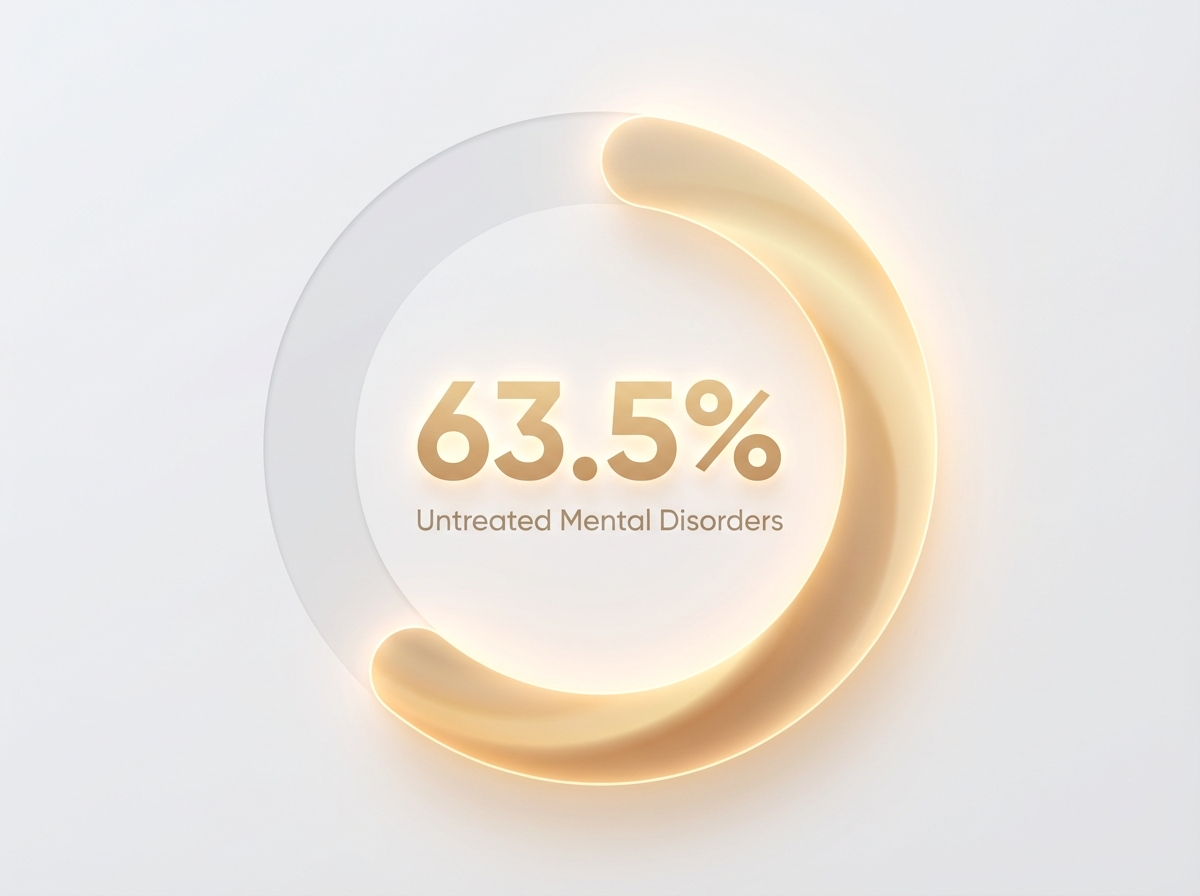
Yet, access remains out of reach for many. Recent statewide assessments found that 63.5% of Floridians with a mental disorder did not receive treatment, placing Florida among the highest in the nation for untreated mental health conditions. This disconnect is especially pronounced in areas where insurance coverage is fragmented and facility deserts exist, including both rural counties and certain urban neighborhoods.6
The demand for support like a mental wellness associate FL continues to grow, driven by rapid population increases and heightened awareness. Studies reveal that even with new funding and telehealth options, long waitlists persist for outpatient mental health services, highlighting the need for adaptable, discreet care models.4
Workforce Shortages Across the State
Florida’s behavioral health workforce shortage remains one of the most pressing barriers to timely, effective care. The state currently meets only 24% of its total need for behavioral health providers—a gap that translates to thousands of unfilled roles, including over 3,500 licensed clinical social workers, nearly 3,000 psychiatric mental health nurse practitioners, and about 1,500 licensed psychologists.2
Some counties in the Panhandle and rural Central Florida have no psychologists or psychiatric prescribers at all, creating treatment deserts for residents seeking support. In contrast, urban hubs like Miami and Orlando have a higher concentration of professionals, but even here, waitlists and provider burnout are growing concerns. The shortage is compounded by an aging workforce, with more than 40% of Florida psychiatrists at or beyond retirement age, and insufficient new graduates entering the field to keep pace with rising demand.2
Mental Wellness Associate FL Roles
Tool: Role Comparison Guide
When seeking mental wellness support in Florida, understanding who will be part of your care team helps set realistic expectations and fosters confidence in the treatment process. Mental wellness associates serve as vital members of comprehensive care teams, acting as your consistent point of contact throughout your therapeutic journey. These compassionate professionals work alongside licensed clinicians to ensure you receive coordinated, personalized support that addresses your unique emotional and psychological needs.
Mental wellness associates enhance your treatment experience by providing accessible, responsive support between clinical sessions. They conduct initial assessments to understand your concerns, help coordinate your treatment plan, and offer practical guidance as you navigate your wellness journey. Many associates specialize in specific areas such as anxiety management, mood disorders, trauma-informed care, or substance use recovery support, bringing focused expertise to your particular challenges.
These professionals typically hold degrees in psychology, social work, or related human services fields, with many possessing additional certifications such as Certified Recovery Peer Specialist (CRPS) or Psychological First Aid credentials. Florida's regulatory framework requires that mental wellness associates work under appropriate supervision from licensed clinical professionals, ensuring quality care while maintaining accessibility.
"For many individuals, having a dedicated associate who understands their journey reduces anxiety and increases comfort within the therapeutic environment."
The growing availability of mental wellness associates throughout Florida, particularly in underserved regions, means more individuals can access timely support without extended wait times. Many facilities offer flexible scheduling options, including evening and weekend availability, accommodating those balancing work, family, and other commitments. This expanded capacity within therapeutic care systems ensures that seeking support fits realistically into your life rather than requiring significant disruption to daily responsibilities.
Regional Considerations Across Florida
Tool: Location Strategy Map
If you live in an Urban Center (Miami, Tampa, Orlando): Focus on finding associates who offer traffic-proof solutions like virtual check-ins or neighborhood-specific in-home visits.
If you live in a Rural Area (Panhandle, Central FL): Prioritize providers with strong telehealth infrastructure and established networks for remote clinical supervision.
Urban Centers vs. Rural Deserts
The divide between Florida’s urban centers and rural communities is clear when it comes to behavioral health support. Urban regions—such as Miami, Tampa, Orlando, and Jacksonville—are home to the majority of the state’s 390 mental health treatment facilities, creating greater access for residents in these metros. Even so, long waitlists and busy clinics mean many still seek adaptable options like a mental wellness associate FL for personalized, discreet care.6
In contrast, rural areas throughout the Panhandle, Big Bend, and parts of Central Florida experience what experts call "treatment deserts." Some counties have no licensed psychologists or psychiatric prescribers at all, leaving residents to travel hours for specialty services. Studies reveal that limited facility density and insurance coverage gaps make it especially challenging for individuals in these regions to access ongoing behavioral health support. This is where concierge-style mental wellness associates can be transformative, providing at-home or virtual guidance and bridging gaps left by traditional systems.2,6
Cultural & Demographic Factors
Florida’s unique mix of cultures, languages, and age groups shapes how mental wellness services are delivered across the state. In Miami-Dade, where over 51% of residents speak a language other than English at home, mental wellness associates often offer multilingual support and culturally aware approaches to build trust and rapport. The state’s large retiree population, especially in places like Naples and The Villages, means there’s strong demand for services that respect privacy and adapt to changing health needs.6
Demographics also influence stigma and openness about behavioral health. In some Hispanic and Caribbean communities, seeking help remains highly private, making discreet, in-home or virtual support from a mental wellness associate FL especially valued. For younger Floridians—such as college students in Gainesville or Orlando—flexible, tech-enabled options align with their digital habits and busy schedules.6
Costs, Insurance & Reimbursement in FL
Tool: Investment Planner
Use this range guide to estimate your monthly investment based on service type:
- Traditional Therapy (In-Network): $20 - $50 copay per session.
- Private Pay Therapy: $150 - $300 per session.
- Concierge Wellness Membership: $200 - $600+ monthly (includes coordination & access).
Once you understand the different professional roles available, the next consideration becomes how to budget for these services. In Florida, costs for psychological services vary widely based on the type of support, provider credentials, and treatment setting. Traditional therapy sessions with in-network providers typically involve copays ranging from $20 to $50 per session, while out-of-network or private pay arrangements generally cost between $150 and $300 per session. Comprehensive wellness programs may offer bundled pricing that includes multiple touchpoints and personalized care coordination, often providing better value for those requiring ongoing support.
Insurance coverage for psychological services has expanded significantly under mental health parity laws, which require insurers to provide comparable coverage for emotional wellness care as they do for medical conditions. Many Florida residents find that their health plans cover individual therapy, group sessions, and psychiatric consultations. However, coverage details differ substantially between plans, making it essential to verify specific benefits, deductibles, and out-of-network provisions before beginning services.
For those seeking more personalized support, concierge or membership-based models have become increasingly available. These arrangements typically involve a monthly fee—ranging from $200 to $600 depending on service level—that provides predictable costs and enhanced accessibility. Concierge models often include benefits such as same-day or next-day appointment availability, direct messaging access to providers, extended session times, and integrated care coordination across multiple specialists.
Reimbursement processes require attention to detail but become straightforward with proper documentation. When working with out-of-network providers, individuals can typically submit superbills—detailed invoices containing diagnostic and procedural codes—directly to their insurance company for potential reimbursement. Many insurers offer online portals that streamline this submission process, and reimbursement rates generally reflect a percentage of the allowed amount based on the plan's out-of-network benefits.
Health Savings Accounts (HSAs) and Flexible Spending Accounts (FSAs) provide additional financial flexibility for mental wellness expenses. These tax-advantaged accounts can cover therapy sessions, psychiatric care, and many wellness services, allowing individuals to use pre-tax dollars for their emotional health needs. This option particularly benefits those seeking comprehensive support that extends beyond traditional insurance coverage.
Insight Beyond Treatment
At Next Level Wellness & Behavioral Health, we believe meaningful change starts with perspective, not just protocols.
That philosophy is directly led by Amanda Marino, whose voice in behavioral health extends beyond clinical settings into leadership, culture, and personal growth.
Through keynote speaking and live events, Amanda explores the deeper themes that show up in recovery, family systems, and life transitions: authenticity, resilience, accountability, and the courage to change. Her work invites audiences to move past labels and into honest conversations that create lasting impact.
Choosing a Mental Wellness Associate FL
Tool: Provider Vetting Checklist
Ask these three critical questions during your consultation:
- "What is your guaranteed response time for text or email inquiries?"
- "How do you coordinate with my existing therapist or psychiatrist?"
- "Can you walk me through a specific scenario where you helped a client with similar needs?"
Concierge wellness support represents a distinct care model that prioritizes accessibility, personalization, and comprehensive coordination beyond what traditional insurance-based practices typically offer. This approach provides on-demand access to providers, same-day or next-day appointments, and direct communication channels—features designed for individuals who value immediacy and continuity in their mental health care.
The concierge model distinguishes itself through several key features. Providers typically offer direct texting or messaging for questions between sessions, ensuring concerns don't wait weeks for the next scheduled appointment. Integrated care planning coordinates all aspects of wellness—from therapy and medication management to lifestyle factors and specialist referrals—under one cohesive approach. Many concierge services also provide extended session times and flexible scheduling, including evenings and weekends, without the lengthy wait times common in traditional practices.
When evaluating potential concierge providers, ask specific questions about their service model. What are guaranteed response times for messages or urgent concerns? Are there additional fees beyond the membership or retainer, and what services are included in the base cost? How many clients does each provider maintain to ensure availability? Understanding the provider's panel size directly impacts the level of personalized attention and accessibility one can expect.
The concierge model proves particularly valuable for individuals with demanding schedules who need flexibility, those managing complex conditions requiring frequent provider communication, or anyone who has experienced frustration with the limitations of traditional insurance-based care. While the investment is higher than typical copays, the value lies in reduced wait times, enhanced accessibility, and proactive rather than reactive care. For those whose wellness significantly impacts their professional performance or quality of life, the concierge approach often justifies the premium through improved outcomes and peace of mind.
Conclusion
Finding the right therapeutic support represents a significant step toward lasting wellness and personal growth. Concierge wellness services offer a transformative approach that honors your unique needs, schedule, and preferences while maintaining the discretion and flexibility that modern life demands.
The right provider combines three essential elements: a comprehensive care team structure with both associates and licensed professionals ensuring quality oversight, transparent financial models that align with your budget through either insurance participation or membership-based arrangements, and concierge-specific features like flexible scheduling and virtual accessibility that adapt to your lifestyle. When these components work together, meaningful progress becomes more sustainable as support integrates seamlessly into your daily routine rather than requiring you to conform to rigid structures.
Taking that first step might feel uncertain, but a systematic approach simplifies the process. Start by verifying your insurance benefits to understand your coverage options and potential out-of-pocket costs. Then schedule consultations with 2-3 providers to compare their approaches, team structures, and accessibility features firsthand. This allows you to assess compatibility and find the right fit for your specific goals and circumstances. Ultimately, concierge models offer flexibility for those seeking personalized, convenient care that prioritizes both clinical excellence and lifestyle integration.
Let's Create Lasting Change, Together
At Next Level Wellness & Behavioral Health, we provide premier concierge behavioral healthcare and highly personalized support for individuals and families navigating substance use, mental health challenges, eating disorders, complex life transitions, and more.
Our discreet, concierge, and expert-driven approach ensures dignity, compassion, and results-oriented care whether at home, in transit, or across multiple levels of treatment.
For support that meets you right where you are—anytime, anywhere—connect with us today.
Frequently Asked Questions
How do telehealth changes in 2026 affect mental wellness services in Florida?
Telehealth services in Florida saw major expansion during the pandemic, making discreet, at-home mental wellness support far more accessible. In 2026, Medicare telehealth flexibilities will change: most virtual services will again be limited to rural areas, but a key exception is mental health. Readers might be wondering if their support will disappear, but research shows that Medicare will continue covering home-based mental and behavioral health telehealth—regardless of location. This ensures that individuals working with a Mental Wellness Associate FL can still access remote help across Miami, Tampa Bay, or the Panhandle. Always confirm with your provider and insurance plan about ongoing telehealth coverage.9
What makes concierge mental wellness support different from traditional therapy in Florida?
Concierge mental wellness support in Florida stands out by offering highly personalized, lifestyle-adaptable assistance that goes beyond the boundaries of traditional therapy. While licensed therapists focus on diagnosis and clinical treatment—often within set office hours—a Mental Wellness Associate FL can provide in-home, virtual, or on-the-go support tailored to everyday needs. This might include sober companionship, daily structure, or advocacy in navigating recovery challenges. The approach is especially valued for its discretion and ability to fit seamlessly into busy schedules. State guidelines ensure these associates do not practice psychotherapy without a license, but their flexible, non-clinical support can be a game-changer for those seeking privacy and ongoing motivation.3
Does Florida Medicaid cover mental wellness associate services?
Florida Medicaid generally covers clinical behavioral health services—such as counseling, therapy, and psychiatric care—when delivered by licensed providers. However, non-clinical concierge services like those provided by a Mental Wellness Associate FL are typically not reimbursed by Medicaid. These associates offer support that focuses on daily structure, motivation, and accountability rather than clinical diagnosis or therapy, which places them outside standard Medicaid billing guidelines. Individuals seeking this level of personalized, lifestyle-friendly support may need to explore private pay or community-based funding options. Resources like NAMI Florida can help guide those navigating coverage questions and connect families to available support programs.6
How long does it typically take to find a mental wellness associate in Florida?
The time it takes to find a mental wellness associate in Florida can vary based on location and preferences. In bigger cities like Miami or Tampa Bay, individuals may connect with a Mental Wellness Associate FL within a week, especially if seeking virtual or concierge options. However, in rural areas or the Panhandle, workforce shortages mean some people wait several weeks to secure the right fit. Wait times also depend on the need for specialized skills, language support, and privacy. Many concierge providers aim to offer prompt availability, and statewide resources like NAMI Florida can help streamline the search for discreet, lifestyle-friendly support.2
Can a mental wellness associate provide support during travel or relocation within Florida?
Yes, a mental wellness associate can often provide support during travel or relocation within Florida. Because many concierge wellness providers offer in-home, virtual, or on-the-go services, individuals can continue receiving guidance as they move between cities like Tampa Bay, Orlando, or the Panhandle. This flexibility is especially helpful for those with busy lifestyles or changing work locations. Some providers are experienced in coordinating care across different regions, ensuring continuity and privacy no matter where you are. When searching for a Mental Wellness Associate FL, be sure to ask about their ability to support you during transitions or extended travel to maintain your recovery and well-being.3
What credentials should I look for when choosing a mental wellness associate in Florida?
When choosing a mental wellness associate in Florida, it’s best to look for a blend of experience, training, and a clear understanding of state regulations. While only licensed clinicians—such as LCSWs, LMHCs, or psychologists—can provide clinical diagnosis or therapy, a Mental Wellness Associate FL should be transparent about their scope of practice and work collaboratively with licensed professionals when needed. Strong candidates often have backgrounds in behavioral health, recovery coaching, or peer support, plus ongoing training in confidentiality and crisis response. Always check references, ask about continuing education, and verify that the associate is committed to providing discreet, lifestyle-adaptable care.3
References
- State of Mental Health in America 2025. https://mhanational.org/wp-content/uploads/2025/09/State-of-Mental-Health-2025.pdf
- Statewide center at USF launches Florida's first-of-its-kind interactive dashboard to address behavioral health workforce shortage. https://www.usf.edu/cbcs/news/2025/florida-launches-interactive-dashboard-to-address-behavioral-health-workforce-shortage.aspx
- 2023-2025 Substance Abuse and Mental Health Services Master Plan. https://www.myflfamilies.com/document/49456
- Assessment of Behavioral Health Services in Florida 2024 Report. https://www.myflfamilies.com/sites/default/files/2024-11/Assessment%20of%20Behavioral%20Health%20Services%20in%20Florida%202024%20Report.pdf
- A five-year descriptive evaluation using the brief addiction monitor. https://pmc.ncbi.nlm.nih.gov/articles/PMC12805790/
- Sociodemographic Correlates of Affordable Community Behavioral Health Treatment Facilities. https://pmc.ncbi.nlm.nih.gov/articles/PMC9812544/
- Mental Health & Substance Abuse Centers in Florida - IBISWorld. https://www.ibisworld.com/united-states/industry/florida/mental-health-substance-abuse-centers/20360/
- Mental health & substance abuse coverage. https://www.healthcare.gov/coverage/mental-health-substance-abuse-coverage/
- Potential Changes to Medicare Telehealth Coverage in 2026. https://www.foma.org/news/telehealth-services-may-be-at-risk
- Florida Economic Forecast 2025–2034. https://floridataxwatch.org/Research/Full-Library/ArtMID/39591/ArticleID/19493/Florida-Economic-Forecast-2025-2034
A Voice Shaping the Conversation
The topics explored here—change, self-awareness, recovery, and growth—are the same themes Amanda Marino brings to audiences nationwide through speaking engagements and live events.
Known for her appearances on A&E’s Intervention and Digital Addiction, Amanda speaks to organizations, communities, and leadership teams about navigating adversity, embracing vulnerability, and building lives rooted in purpose. Her message resonates far beyond treatment, offering insight that applies to families, professionals, and anyone standing at a crossroads.



Heal on your terms—any time, anywhere.