.svg)

Recovery Case Management for Professionals

Key Takeaways for Professionals
- Strategic Continuity: Recovery case management bridges the critical gap between intensive treatment and daily professional life, reducing relapse risk by over 50%.
- Career Protection: Specialized support helps navigate return-to-work protocols, regulatory requirements, and reputation management with high-level discretion.
- Customized Infrastructure: Effective models integrate clinical oversight, peer support, and family dynamics into a flexible plan that adapts to travel and work demands.
- Immediate Action: Assess your readiness using the checklists below to determine if a professional, peer-based, or hybrid model best suits your lifestyle.
What Recovery Case Management Delivers
The Bridge Between Treatment and Real Life
Checklist: Signs You Need Support Bridging Treatment and Daily Life
- Feeling uncertain about how to manage work responsibilities after treatment.
- Concerned about maintaining privacy and boundaries with colleagues.
- Unsure how to rebuild routines and relationships outside a treatment setting.
- Seeking consistent, tailored support for unpredictable challenges.
For professionals, the return from structured treatment into everyday life can feel like crossing a river without a bridge. Recovery case management fills this gap by connecting the intensive care of treatment to the demands and unpredictability of real-world routines. Unlike a one-size-fits-all approach, case managers work alongside clients to anticipate obstacles—such as sudden workplace pressures or family stress—and co-create adaptive strategies that fit a professional’s unique circumstances.
Research shows that incorporating case management into continuing care improves abstinence rates by over 50% compared to standard aftercare, highlighting its power in supporting sustainable recovery.1
Professionals often find these services especially valuable because they provide both accountability and flexibility, supporting the transition from clinical settings to home, work, and social life without disruption. Readers might be wondering how this hands-on guidance differs from traditional aftercare. In the next section, we’ll explore the unique features that set recovery case management apart.
How It Differs from Traditional Aftercare
Decision Tool: Is Recovery Case Management Right for You?
- Do you need tailored support that adapts to your work and personal schedule?
- Is privacy or discretion a top priority for you as a professional?
- Are you seeking ongoing guidance beyond what a standard aftercare group offers?
- Do you want a single point of contact to coordinate services and communication?
While traditional aftercare often centers around scheduled group sessions or periodic check-ins, recovery case management is a more proactive, relationship-based approach. Instead of simply providing follow-up, case managers anticipate challenges before they arise and collaborate with clients to develop strategies unique to their circumstances. This approach is ideal for professionals who require adaptable plans, access to resources outside of business hours, and seamless coordination with workplace or family obligations.
Comparison of support models for professionals
Industry leaders find that recovery case management boosts engagement and long-term outcomes by offering a consistent partner who manages everything from clinical care coordination to return-to-work planning. In contrast, standard aftercare does not typically address career preservation, employment support, or the high-level discretion that many working professionals need. The difference is clear: recovery case management is designed to be highly personalized, confidential, and integrated into the client’s real-world environment.3
Next, we’ll discuss why specialized support is especially crucial for professionals balancing recovery and career demands.
Why Professionals Need Specialized Support
Career Preservation During Recovery
Assessment: Are You at Risk for Career Disruption During Recovery?
- Are you experiencing increased workplace absences or performance fluctuations?
- Do you worry about stigma or confidentiality if you request time for behavioral health support?
- Is your role high-visibility or dependent on professional licensing?
- Would a lapse in focus or attendance impact your long-term career path?
Safeguarding a professional career during recovery takes thoughtful planning. Recovery case management offers a personalized framework to support employment continuity—helping professionals navigate return-to-work processes, manage stress, and maintain regulatory or licensure requirements. Industry research points to structured case management as essential: professionals in treatment face about 50% higher rates of unscheduled leave and workplace incidents, putting their careers at real risk without proactive support.2
This approach works best when ongoing communication and advocacy are needed—for example, when coordinating with human resources, negotiating flexible schedules, or handling sensitive disclosures. Recovery case managers anticipate potential disruptions, helping clients prepare documentation, connect with employee assistance programs, and access resources discreetly. The goal is always to preserve not just employment, but also reputation and long-term career opportunities.
For those in high-stakes roles—such as law, healthcare, or finance—this solution fits the need for specialized navigation through regulatory and workplace policies. Recovery case management empowers professionals to focus on their health without sacrificing their ambitions.
Next, we’ll look at why privacy and discretion are just as vital for professionals seeking lasting recovery.
Privacy and Discretion as Core Requirements
Privacy Checklist: Is Your Recovery Support Truly Discreet?
- Are communications from your provider confidential and secure (e.g., encrypted emails, HIPAA-compliant platforms)?
- Does your case manager understand your workplace culture and the need for discretion?
- Are appointments and updates scheduled around your professional commitments?
- Can you access support remotely or outside regular business hours?
For many professionals, privacy isn’t just a preference—it’s essential for both career stability and peace of mind. Recovery case management services are designed with this in mind, offering layers of discretion that go far beyond standard aftercare. For example, communications are typically encrypted, and documentation is handled with strict confidentiality protocols. This approach works best when a client’s reputation, licensing, or public profile could be impacted by even the perception of behavioral health support.
Recent advances in telehealth-enabled case management mean that professionals can access guidance from any location, using secure video or messaging platforms that protect sensitive information. Studies reveal that when privacy is prioritized, engagement rates with recovery case management increase significantly, especially among professionals in high-stakes roles. By making support both accessible and discreet, these services help clients maintain their commitments without drawing unwanted attention.3
If safeguarding your privacy while receiving support is a top priority, this route provides peace of mind—and real results. Next, we’ll explore how effective case management is structured to deliver accountability and seamless coordination.
Core Components of Effective Recovery Case Management
Coordination, Monitoring, and Accountability
Quick Assessment: Is Your Recovery Plan Missing Key Elements?
- Do you have a single, trusted point of contact for all aspects of your recovery?
- Are your progress and setbacks actively monitored, not just passively recorded?
- Is someone holding you accountable and helping you adjust when challenges arise?
Strong coordination, ongoing monitoring, and real accountability are the backbone of effective recovery case management. For professionals, this means having a dedicated partner who not only keeps track of appointments and progress but also anticipates needs as life and work evolve. Rather than simply acting as a scheduler, a case manager becomes a proactive liaison—helping to align clinical recommendations with real-world demands and making sure nothing falls through the cracks.
Research indicates that when case management is active—meaning it involves regular, relationship-based check-ins and anticipatory support—clients experience more than a 50% improvement in abstinence rates compared to standard aftercare models. This approach is ideal for individuals who value structure but need flexibility, such as executives, healthcare providers, or entrepreneurs juggling unpredictable schedules. Routine monitoring can include confidential check-ins, drug testing (when appropriate), and real-time feedback, giving both reassurance and a gentle nudge toward goals.1
By choosing a model that emphasizes transparent communication and adaptive planning, professionals are empowered to stay focused on recovery without sacrificing their careers. Next, we’ll see how integrating clinical and peer support further strengthens this foundation.
Integration with Clinical and Peer Support
Integration Checklist: Are Your Supports Working Together?
- Does your recovery case manager coordinate with your primary clinician and therapists?
- Are you connected to peer support groups or recovery mentors?
- Do you have a plan for balancing clinical care, peer encouragement, and daily routines?
- Is your support network updated about your progress and needs—with your consent?
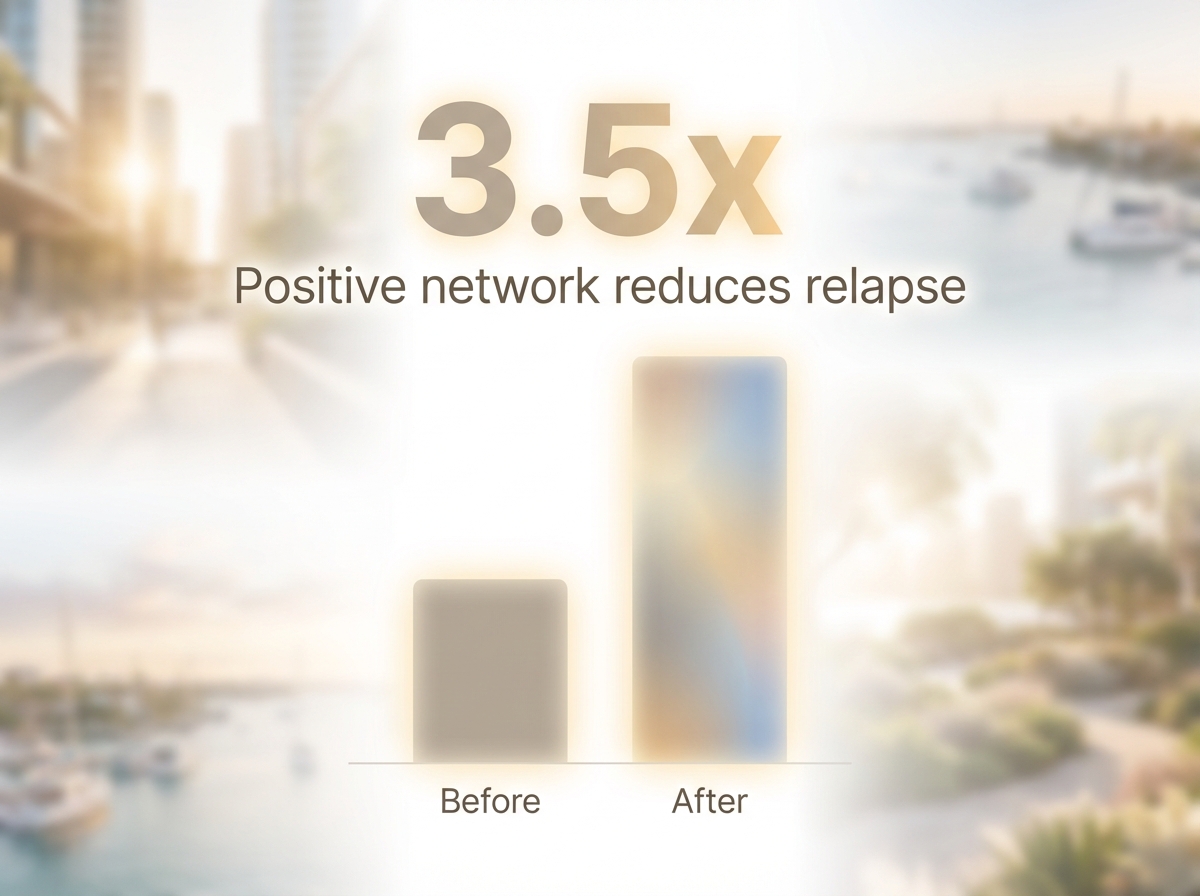
A hallmark of effective recovery case management is its ability to weave together clinical expertise and real-world support. This means your case manager doesn’t operate in a vacuum; instead, they serve as the central hub connecting your therapy, medical care, and peer relationships. Industry research shows that when case management is paired with mutual-help or 12-Step group involvement, clients not only experience reduced relapse risk, but also report feeling more confident and less isolated. In fact, individuals with positive, recovery-focused social networks are 3.5 times less likely to relapse compared to those without such support.5
This approach is ideal for busy professionals who want their care to fit seamlessly into life without sacrificing privacy or autonomy. By integrating clinical and peer resources, recovery case management ensures that every aspect of your support system is working in harmony—making it easier to adapt, stay engaged, and thrive.
Next, we’ll discuss how to assess your readiness and resources to build a sustainable recovery infrastructure.
Insight Beyond Treatment
At Next Level Wellness & Behavioral Health, we believe meaningful change starts with perspective, not just protocols.
That philosophy is directly led by Amanda Marino, whose voice in behavioral health extends beyond clinical settings into leadership, culture, and personal growth.
Through keynote speaking and live events, Amanda explores the deeper themes that show up in recovery, family systems, and life transitions: authenticity, resilience, accountability, and the courage to change. Her work invites audiences to move past labels and into honest conversations that create lasting impact.
Building Your Recovery Infrastructure
Assessing Your Readiness and Resources
Self-Assessment: Are You Ready to Build Your Recovery Infrastructure?
- Do you have clarity about your recovery goals and workplace boundaries?
- Are supportive colleagues, family, or mentors available if you need them?
- Is reliable internet or private space accessible for telehealth sessions?
- Do you understand your insurance coverage or know where to find assistance?
Getting started with recovery case management means taking stock of both your personal readiness and the resources at your disposal. Industry research shows that engagement rates with case management rise to 60-80% when clients have support systems in place and accessible communication tools. Professionals benefit from identifying practical needs—like flexible scheduling or confidential virtual support—early on, so case managers can tailor services accordingly.3
This approach works best when individuals are proactive in mapping out their strengths, anticipated barriers, and available resources. For example, those with demanding travel schedules may prioritize telehealth-enabled support, while others might focus on integrating family or workplace allies. If you’re unsure where to begin, resources like SAMHSA’s National Helpline offer confidential guidance and connections to professional case managers.6
Once you’ve clarified your readiness and resource inventory, you’ll be well-positioned to evaluate which case management models will fit your lifestyle and career needs.

Selecting the Right Case Management Model
Decision Guide: Which Case Management Model Matches Your Needs?
- Do you prefer a single dedicated professional managing your care, or are you drawn to a team-based or peer-involved approach?
- Is telehealth access crucial for your schedule, or would in-person meetings work better?
- Are you looking for short-term intensive support or long-term continuity?
- Does your work require high-level discretion and specialized advocacy?
Selecting the right recovery case management model means thinking through your preferences and professional realities. Professionals often choose between three main models: (1) professional case management led by licensed clinicians, (2) peer-supported models that integrate those with lived experience, and (3) hybrid or concierge models offering tailored combinations. Peer-supported models report engagement rates of 60-80%, which is significantly higher than some traditional approaches. This path makes sense for individuals who value lived-experience mentorship alongside clinical coordination. Meanwhile, professional-only models suit those who want clinical oversight and specialized advocacy, especially in fields with strict regulatory requirements.3
Telehealth-enabled case management is ideal for those juggling travel or needing after-hours support. If you’re unsure, consulting resources like SAMHSA’s National Helpline can help you compare options confidentially. Each model can be adapted to fit your confidentiality needs and lifestyle—choose the one that aligns with your recovery and career priorities.6
Up next, we’ll address common questions professionals have about insurance coverage, remote access, and ongoing support.
Your Path Forward with Expert Guidance
Understanding Your Treatment Options
Many individuals delay seeking behavioral health support because they've heard stories of rigid, impersonal treatment programs that don't account for their unique circumstances. Perhaps you're a professional who can't take weeks away from work, a parent managing family responsibilities, or someone who's tried therapy before without success. Professional behavioral health guidance addresses these real-world constraints by designing treatment plans around individual circumstances rather than forcing patients into predetermined protocols.
What Personalized Care Actually Looks Like
Personalized approaches translate into concrete treatment components tailored to specific needs. For anxiety disorders, this might mean combining cognitive-behavioral therapy (CBT) with mindfulness techniques and biofeedback sessions scheduled during lunch breaks or early mornings. For substance use concerns, treatment plans often integrate medication-assisted treatment (MAT) with individual counseling, peer support groups, and family therapy sessions—with frequencies and formats adjusted based on progress and life demands.
Research from the Substance Abuse and Mental Health Services Administration shows that individuals receiving personalized, flexible treatment are 40% more likely to complete their programs compared to those in standardized protocols. This customization extends to session formats as well, with options for in-person visits, telehealth appointments, or hybrid models that adapt as circumstances change.
Privacy and Accessibility in Modern Treatment
The personalized approach extends beyond clinical techniques to how services are delivered. Modern behavioral health support prioritizes privacy protections and scheduling flexibility because these factors directly impact treatment engagement and outcomes. Telehealth platforms with HIPAA-compliant encryption, evening and weekend appointment slots, and confidential billing practices remove common barriers to consistent care. Many practitioners now offer initial consultations outside traditional office settings or through secure video calls, allowing individuals to explore treatment options without the anxiety of visiting an unfamiliar clinic.
Taking Your First Concrete Steps
Beginning treatment involves specific, manageable actions rather than vague commitments to "get help." Start by identifying 2-3 providers who specialize in your primary concern—whether that's depression, trauma, substance use, or another challenge. During initial consultations, ask direct questions: What does a typical treatment timeline look like? How do you measure progress? What happens if the first approach doesn't work? How do you coordinate with my primary care physician if needed?
Licensed therapists, counselors, and specialized treatment programs expect these questions and should provide clear, detailed answers. The path to better mental health requires finding professionals who not only offer evidence-based treatment but also demonstrate flexibility in adapting their approach as your needs evolve. Quality providers view the initial consultation as a collaborative planning session, not a sales pitch, and will help you understand exactly what meaningful, lasting change looks like for your specific situation.
Let's Create Lasting Change, Together
At Next Level Wellness & Behavioral Health, we provide premier concierge behavioral healthcare and highly personalized support for individuals and families navigating substance use, mental health challenges, eating disorders, complex life transitions, and more.
Our discreet, concierge, and expert-driven approach ensures dignity, compassion, and results-oriented care whether at home, in transit, or across multiple levels of treatment.
For support that meets you right where you are—anytime, anywhere—connect with us today.
Frequently Asked Questions
Will my insurance cover recovery case management services?
Insurance coverage for recovery case management often depends on your specific plan and provider. Thanks to the Mental Health Parity and Addiction Equity Act (MHPAEA), most employer group health plans and federal programs are required to cover behavioral health services—including case management—on equal terms with medical benefits. However, not all private or individual plans offer full coverage for specialized professional services, so it’s wise to review your policy or speak with your benefits administrator. For those needing confidential help navigating coverage options, resources like SAMHSA’s National Helpline are available to provide guidance and referrals.6,10
How do I choose between professional case management and peer-supported models?
Choosing between professional case management and peer-supported models depends on your needs for expertise, lived experience, and the type of support you value most. Professional case management is led by licensed clinicians who offer specialized advocacy, clinical oversight, and can navigate complex workplace or regulatory requirements. Consider this option if you prefer structured planning and require high-level discretion. Peer-supported models, on the other hand, connect you with individuals who have successfully navigated recovery themselves. Studies show these models report engagement rates of 60-80%, which can foster a strong sense of connection and motivation. Many professionals benefit from hybrid models that combine both approaches. If you’re unsure where to begin, resources like SAMHSA’s National Helpline can confidentially help you explore your options.3,6
What is the typical cost range for private case management services?
The typical cost range for private recovery case management services varies widely based on location, provider credentials, and the level of support required. While some professionals may access these services through insurance or employee assistance programs, private-pay arrangements can range from a few hundred to several thousand dollars per month. It’s essential to remember that highly credentialed specialists and concierge-level case management often come at a premium. Since exact rates are rarely published and can change, contacting providers directly for quotes or exploring resources like SAMHSA’s National Helpline is a helpful first step for confidential guidance.6
Can I work with a case manager remotely if I travel frequently for my career?
Yes, you can work with a case manager remotely—even if you travel often for your career. Many recovery case management providers now offer secure telehealth options, so sessions and check-ins can be scheduled by video, phone, or encrypted messaging from anywhere with a reliable internet connection. Research shows that telehealth-enabled case management delivers outcomes comparable to in-person care, especially when privacy and flexibility are key priorities for professionals. If your travel schedule is unpredictable, these virtual services let you stay connected to support without disrupting your work or drawing unwanted attention. For confidential referrals to remote case management, you can contact SAMHSA’s National Helpline.3,6
How long should I expect to work with a case manager during my recovery?
The length of time you might work with a case manager during recovery varies based on your goals, workplace needs, and progress. Many professionals start with intensive recovery case management support for the first 3-6 months after treatment and then transition to less frequent check-ins as stability grows. Research highlights that ongoing engagement—sometimes lasting a year or more—can significantly raise long-term recovery rates compared to short-term aftercare alone. This approach is ideal if you want a flexible, concierge experience that adapts as your needs change. If you’re unsure about duration, case managers can help you set a plan that matches your lifestyle and career demands.1
What happens if I experience a setback while working with a case manager?
If you experience a setback while working with a case manager, recovery case management is designed to respond quickly and without judgment. Your case manager will help you assess what contributed to the challenge, update your recovery plan, and reconnect you with resources or clinical care as needed. This approach works best when setbacks are seen as opportunities for learning and growth—not failure. Research shows that ongoing case management supports faster re-engagement with treatment and better long-term outcomes compared to standard aftercare alone. For confidential help in moments of crisis, you can also reach out to resources like SAMHSA’s National Helpline.1,6
How can case management support my family during my recovery process?
Recovery case management supports not just the individual but the entire family system during recovery. Case managers often facilitate family meetings, provide education about behavioral health, and connect loved ones to resources such as support groups or counseling. Research highlights that positive family involvement increases the likelihood of sustained recovery, while negative patterns can raise relapse risk. This approach is ideal for professionals who want discreet guidance in navigating family dynamics, setting healthy boundaries, and fostering open communication. If your family needs support, case managers can recommend confidential services or refer you to trusted resources like SAMHSA’s National Helpline for additional help.6,7
References
- Continuing Care Research: What We've Learned and Where We're Going. https://pmc.ncbi.nlm.nih.gov/articles/PMC2670779/
- Impact of Continuing Care on Recovery From Substance Use Disorder. https://pmc.ncbi.nlm.nih.gov/articles/PMC7813220/
- Applying Case Management to Substance Abuse Treatment. https://www.ncbi.nlm.nih.gov/books/NBK571728/
- Treating Substance Use Disorders in the Criminal Justice System. https://pmc.ncbi.nlm.nih.gov/articles/PMC3859122/
- Effects of Social Support and 12-Step Involvement on Recovery Outcomes. https://pmc.ncbi.nlm.nih.gov/articles/PMC6803054/
- SAMHSA's National Helpline: Treatment Referral and Information Service. https://www.samhsa.gov/find-help/helplines/national-helpline
- The Importance of Family Therapy in Substance Use Disorder Treatment. https://library.samhsa.gov/sites/default/files/pep20-02-02-016.pdf
- How Peer Support Can Help Close the Gaps in Behavioral Healthcare. https://www.ncqa.org/blog/how-peer-support-can-help-close-the-gaps-in-behavioral-healthcare/
- What is Mental Health Parity?. https://www.nami.org/living-with-a-mental-health-condition/understanding-health-insurance/what-is-mental-health-parity/
- The Mental Health Parity and Addiction Equity Act (MHPAEA). https://www.cms.gov/marketplace/private-health-insurance/mental-health-parity-addiction-equity
A Voice Shaping the Conversation
The topics explored here—change, self-awareness, recovery, and growth—are the same themes Amanda Marino brings to audiences nationwide through speaking engagements and live events.
Known for her appearances on A&E’s Intervention and Digital Addiction, Amanda speaks to organizations, communities, and leadership teams about navigating adversity, embracing vulnerability, and building lives rooted in purpose. Her message resonates far beyond treatment, offering insight that applies to families, professionals, and anyone standing at a crossroads.



Heal on your terms—any time, anywhere.