.svg)

Recovery Coach vs Peer Specialist: Which Is Better?

Key Takeaways
- Distinct Approaches: Recovery coaches offer concierge, lifestyle-integrated support, while peer specialists provide advocacy rooted in shared lived experience within clinical settings.
- Certification Differences: Peer specialists typically require state-specific certification and Medicaid-aligned training, whereas recovery coaches often pursue broader, flexible credentialing suited for private practice.
- Proven Effectiveness: Both roles significantly improve treatment engagement and reduce recurrence of use, with peer specialists excelling in clinical bridges and coaches excelling in long-term lifestyle management.
- Personalized Choice: Select a recovery coach for privacy and adaptability; choose a peer specialist for empathy-driven support integrated with your healthcare team.
Understanding the Recovery Coach vs Peer Specialist Roles
What Recovery Coaches Bring to Your Journey
When navigating the landscape of behavioral health support, understanding the distinction between a recovery coach vs peer specialist is essential for finding the right fit. Recovery coaches offer a unique blend of professional training and personal experience to support individuals seeking to build a life in recovery. Their guidance is highly adaptable, making it possible for people to access help that fits seamlessly into their lifestyles—whether that means meeting virtually, in the community, or in the privacy of their own homes.
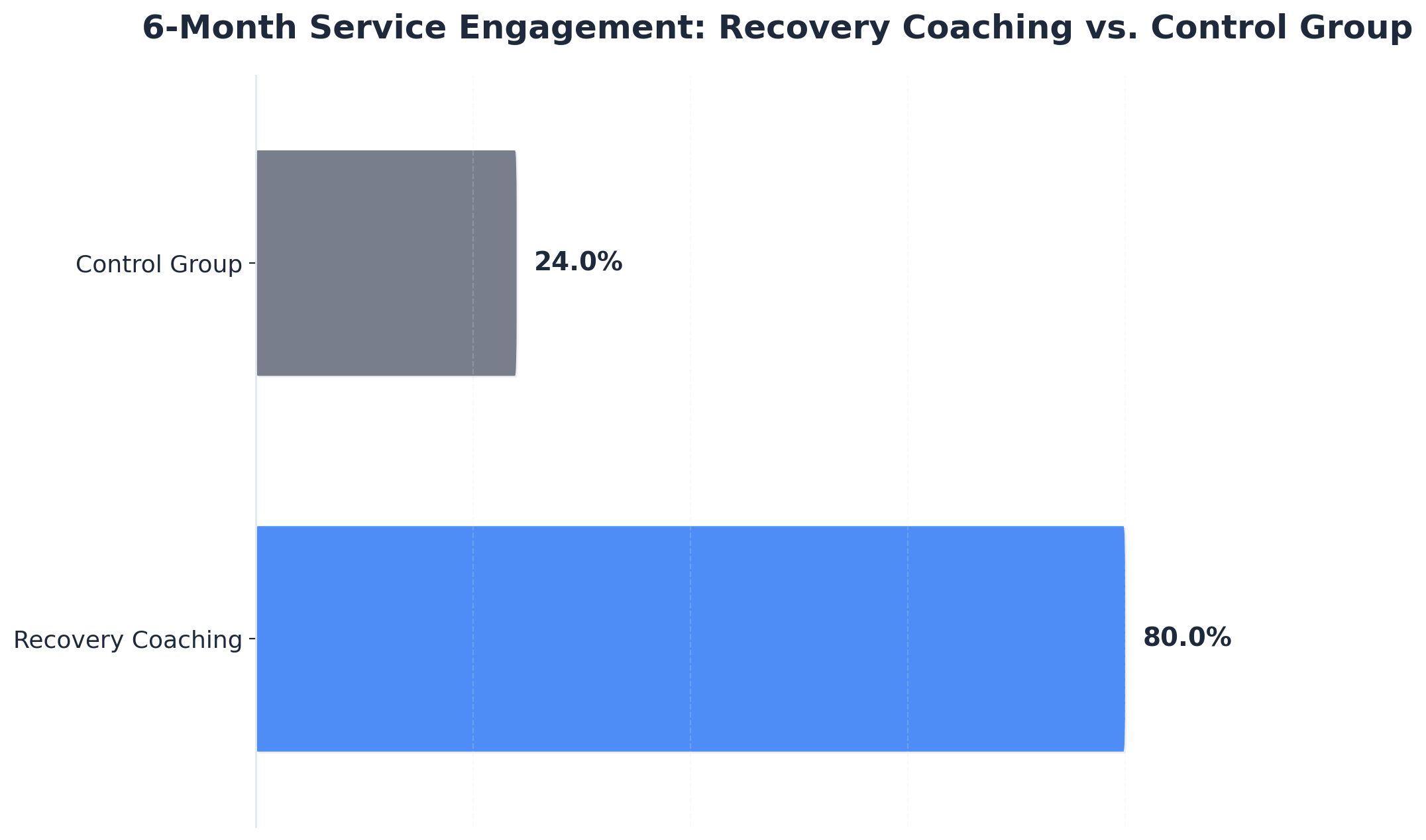
Recovery coaches focus on building trusting relationships, collaborating with each person to create a personalized recovery plan that highlights individual strengths, needs, and goals. Many clients appreciate that recovery coaches provide non-clinical, practical guidance that feels both empowering and discreet. Research reveals that engaging with a recovery coach can make a real difference.
"One large hospital system found that hospitalization rates for those with substance use challenges dropped from 41% to 23% within six months of working with a recovery coach. Outpatient treatment engagement also improved significantly."5
These coaches are often trained in a variety of evidence-based approaches, ensuring support is well-rounded and effective. Readers might be wondering about the professional preparation involved—67% of recovery coaches report pursuing certification to advance their careers, while nearly half say additional training improves their readiness for the role9. For those seeking a concierge, confidential approach to behavioral health support, recovery coaches bring flexibility and encouragement every step of the way.
How Peer Specialists Support Recovery
Peer specialists support recovery by drawing on their own lived experience to offer hope, understanding, and practical strategies alongside those navigating substance use or mental health challenges. Unlike recovery coaches, peer specialists are typically certified through state-approved training programs and often work in both clinical and community-based settings. Their approach centers on mutual respect and shared experience, which can help individuals feel truly understood and less isolated on their journey.
Industry leaders find that peer specialists are especially effective at encouraging engagement with treatment and building confidence in personal recovery plans. For example, studies reveal that peer support programs can increase treatment engagement by up to 85% and reduce hospital readmissions by 56%—highlighting their real-world impact on long-term outcomes6.
Because peer specialists have walked a similar path, they are uniquely positioned to provide emotional encouragement and relatable guidance, whether that means helping someone access resources, problem-solve, or simply offering consistent support through difficult times4. The recovery coach vs peer specialist comparison often comes down to the type of connection and support style someone prefers. Peer specialists are sometimes described as "walking beside you" in recovery, making their support feel empowering yet personal.
Training and Certification Requirements
Recovery Coach Credentials Explained
When considering the recovery coach vs peer specialist pathway, it’s helpful to know that recovery coaches often follow a structured—but flexible—credentialing process. Most recovery coach training programs require 40 to 60 or more hours of specialized coursework, covering key areas like ethics, motivational interviewing, boundaries, and cultural competence. This professional foundation helps coaches deliver support that’s both knowledgeable and adaptable to different lifestyles, offering a concierge approach many individuals value9.
Certification varies by state and organization, but the majority of recovery coaches pursue formal recognition to enhance their credibility and career opportunities. In fact, research found that 67% of recovery coaches sought certification for career development, while 42% did so because it was required for employment9. Many coaches also report that ongoing training is essential: nearly half feel additional education would better prepare them for their roles.
Recovery coaches are not licensed clinicians, but their credentials reflect a commitment to providing evidence-based support in a discreet and empowering manner. With access to continuing education and professional supervision, recovery coaches can remain current on best practices, ensuring their services remain effective and tailored to each client’s needs.
Peer Specialist State Certification Paths
Peer specialists follow a state-specific path to certification, typically blending lived experience with structured training and supervision. Most states require peer specialists to complete 40–80 hours of coursework focused on ethics, boundaries, and recovery principles, along with a high school diploma or GED and a period of demonstrated recovery—usually one to two years8.
After training, aspiring peer specialists must complete supervised work hours, pass a certification exam, and in some states, submit references or proof of ongoing education. Certification requirements do vary:
- Training Hours: Typically ranges from 40 to 80 hours depending on the state board.
- Supervised Experience: New York’s Certified Recovery Peer Advocate (CRPA) pathway, for example, includes 500 hours of work experience and 25 hours of supervised practice7.
- Examination: A formal exam is generally required to achieve full certification status.
Some states offer provisional certification, so individuals can begin working while finishing supervised hours. It's important to note that Medicaid billing or employment in certain settings often requires formal certification, making this process essential for those wanting to work in hospitals, clinics, or community programs8.
Scope of Practice and Service Settings
Where Recovery Coaches Work Best
Recovery coaches are especially effective in settings where individuals value privacy, flexibility, and a tailored approach to behavioral health support. Unlike roles tied to specific clinical environments, recovery coaches often meet clients wherever is most comfortable—whether that’s in the home, a coffee shop, through secure video calls, or even during travel. This concierge-style model allows people to access help discreetly, maintaining their routines and commitments without disruption.
Studies reveal that recovery coaches can bridge gaps between inpatient care and community life, improving rates of outpatient treatment engagement by as much as 1.9 times compared to those without recovery coach support5. In addition, recovery coaches frequently collaborate with treatment teams, families, and employers, adapting their involvement to support ongoing recovery and lifestyle goals. Their scope includes helping clients set actionable plans, manage setbacks, and connect with community resources—all with an emphasis on empowerment rather than clinical diagnosis.
Peer Specialist Roles in Clinical Systems
Peer specialists play a vital role within clinical systems by serving as a bridge between individuals and formal treatment teams, drawing on their own recovery journeys to help others navigate complex behavioral health environments. These professionals often work in hospitals, outpatient clinics, crisis centers, and integrated care programs, providing support that complements medical and therapeutic interventions. Unlike recovery coaches who typically operate outside clinical settings, peer specialists are embedded in healthcare teams, helping individuals feel understood and supported as they transition between levels of care.
Industry research highlights that peer specialist involvement can increase treatment engagement by as much as 85% and reduce hospital readmissions by 56%—demonstrating the measurable benefits they offer within structured healthcare systems6. Peer specialists assist with care coordination, resource navigation, and advocacy, ensuring each person's voice is heard throughout their recovery process. Their unique perspective helps reduce stigma and foster a sense of hope, which many find especially valuable in clinical environments that can sometimes feel impersonal or overwhelming.
Evidence-Based Outcomes and Effectiveness
When evaluating the effectiveness of behavioral health support, both recovery coaches and peer specialists demonstrate significant positive impacts on long-term wellness. While their methods differ, the data suggests that adding either professional to a care team improves retention and reduces the likelihood of recurrence. The table below highlights how each role contributes to specific recovery outcomes based on recent studies.
Clinical outcomes across specific conditions further validate these roles. For substance use challenges, research shows that participants engaging with peer-based support demonstrate significant reductions in substance use frequency and improved coping mechanisms. The consistency of the therapeutic relationship—often cited as a critical factor in success—is maintained through the flexible nature of coaching and the empathetic nature of peer support. Whether through a concierge model or clinical integration, the evidence supports the inclusion of these professionals in a comprehensive care plan.
Recovery Coach vs Peer Specialist: Choosing the Right Support
Given the strong evidence supporting both roles, how can individuals determine which approach is right for them? Selecting the appropriate level of support begins with an honest assessment of your current circumstances, privacy needs, and recovery goals. The decision often hinges on whether you prefer a lifestyle-integrated partner or a clinically integrated advocate.
Consider a Recovery Coach if:
- You require a high degree of privacy and discretion, perhaps due to professional obligations or public profile.
- You need flexible, concierge-style support that can travel with you or meet outside of traditional business hours.
- Your primary focus is on rebuilding lifestyle components, such as career, relationships, and daily routines, alongside sobriety.
Consider a Peer Specialist if:
- You are currently navigating a complex healthcare system (like a hospital or outpatient program) and need an advocate.
- You find strength in shared lived experience and want to connect with someone who has "been there" in a clinical context.
- You are utilizing Medicaid or insurance plans that specifically cover state-certified peer support services.
Remember that choosing between a recovery coach and a peer specialist is not necessarily a one-time decision. Your support plan should remain responsive to your progress. Some individuals may start with a peer specialist during acute treatment and transition to a recovery coach as they reintegrate into their daily lives. Quality providers can help you assess your needs and adjust interventions accordingly, ensuring you receive the right level of care at each stage of your journey toward wellness.
Insight Beyond Treatment
At Next Level Wellness & Behavioral Health, we believe meaningful change starts with perspective, not just protocols.
That philosophy is directly led by Amanda Marino, whose voice in behavioral health extends beyond clinical settings into leadership, culture, and personal growth.
Through keynote speaking and live events, Amanda explores the deeper themes that show up in recovery, family systems, and life transitions: authenticity, resilience, accountability, and the courage to change. Her work invites audiences to move past labels and into honest conversations that create lasting impact.
Frequently Asked Questions
Can I work with both a recovery coach and a peer specialist at the same time?
Yes, many people find that working with both a recovery coach and a peer specialist at the same time can be beneficial. These roles each bring unique strengths—the recovery coach offers adaptable, concierge support that fits your lifestyle, while the peer specialist provides encouragement through shared experience and mutual understanding. Studies reveal that combining different types of behavioral health support can lead to higher engagement and better outcomes 4. It’s helpful to communicate your goals and preferences with both professionals so they can coordinate and tailor their support to your needs. If you’re considering this approach, ask your treatment team or referral source for guidance.
Will my insurance cover recovery coach or peer specialist services?
Insurance coverage for recovery coach or peer specialist services can vary depending on where you live and the type of insurance you have. Many states now reimburse peer specialist services through Medicaid, especially when the peer specialist is state-certified and working within a clinical setting 8. Some private insurers are also starting to recognize the value of these supports, but coverage for recovery coaches may be less common and often depends on the provider’s credentials and your plan’s behavioral health benefits. Always check with your insurance company and ask your provider about billing options. For those without coverage, some community organizations offer these services at low or no cost.
How do I find a qualified recovery coach or peer specialist who understands my specific situation?
Finding a qualified recovery coach or peer specialist who truly understands your situation starts with looking for professionals who hold recognized certifications and have experience relevant to your needs. Many states and organizations list certified recovery coaches and peer specialists online, and asking your healthcare provider or treatment team for a referral can help you connect with someone trusted. Be sure to ask about their training, areas of focus, and whether their support style matches your goals. Research shows that both roles are most effective when their experience and approach align closely with your unique recovery journey 4.
What happens if I need to switch from a peer specialist to a recovery coach during my journey?
Switching from a peer specialist to a recovery coach is a flexible process designed to support your evolving needs. Start by sharing your goals and reasons for the change with your current peer specialist, who can often help coordinate a smooth transition. Many individuals find that as their recovery journey progresses, they benefit from the concierge-style, adaptable approach a recovery coach offers—especially when seeking more personalized or lifestyle-focused support 5. If you’re unsure how to begin, ask your treatment team or provider for referrals. Remember, the recovery coach vs peer specialist transition is about finding what works best for you, and you’re encouraged to revisit your support options as your needs change.
Can a recovery coach or peer specialist help with co-occurring mental health challenges?
Yes, both recovery coaches and peer specialists can support individuals with co-occurring mental health and substance use challenges. Research shows that peer support interventions are effective in improving hope, empowerment, and self-efficacy for those managing mental health conditions alongside recovery goals 6. Recovery coaches and peer specialists are trained to recognize when additional clinical support may be needed, and they can help connect you to appropriate mental health resources while offering encouragement every step of the way. The recovery coach vs peer specialist choice often depends on your preferred support style, but both roles are well-positioned to assist with dual recovery needs.
How confidential is my relationship with a recovery coach or peer specialist?
Privacy is a cornerstone of both recovery coach and peer specialist relationships. Conversations with these professionals are generally kept confidential, allowing individuals to feel comfortable sharing personal details about their recovery journey. While recovery coaches and peer specialists are not bound by the same confidentiality laws as licensed therapists, most receive ethics training on maintaining privacy and respecting boundaries 8. There may be exceptions, such as if someone is at risk of harm, but these are usually explained at the start. If discretion and trust are priorities in your behavioral health support, both roles are structured to honor your privacy throughout the process.
What should I expect in terms of time commitment when working with either professional?
Time commitments for working with a recovery coach or peer specialist are designed to be flexible and fit your needs. Many individuals meet weekly or biweekly for sessions lasting 30 to 60 minutes, but some choose shorter check-ins or more frequent support, especially during transitions or challenging periods. The recovery coach vs peer specialist model both allow for adaptation—sessions can be in-person, virtual, or even by phone, depending on your preferences and lifestyle. Studies reveal that consistent, ongoing engagement (such as monthly or biweekly contact over several months) leads to better outcomes and higher satisfaction 4. You’re encouraged to discuss your availability and goals up front to shape the ideal support schedule.
Conclusion
Both recovery coaches and peer specialists represent proven, effective pathways to sustained wellness, backed by research demonstrating improved retention rates and high satisfaction. The evidence is clear: having a dedicated ally—whether a professional coach or a peer with lived experience—significantly enhances the recovery journey.
For professionals, parents, and individuals managing complex schedules, the recovery coach vs peer specialist decision ultimately rests on personal preference and lifestyle needs. Recovery coaches offer the intensity and privacy of a concierge service, integrating seamlessly into existing commitments, while peer specialists provide the empathy and clinical navigation often needed during critical transition points. The combination of evidence-based approaches and human connection creates a support model that meets people where they are.
Taking the first step toward mental health or substance use support is a sign of strength. If you or someone you care about is ready to explore these options, confidential resources are available to guide you through the process. Remember, recovery is possible, and finding the right partner to walk that path with you can make all the difference.
References
- The Impact of Peer-Based Recovery Support Services - PMC - NIH. https://pmc.ncbi.nlm.nih.gov/articles/PMC12528342/
- Peer Recovery Support Services and Recovery Coaching for Substance Use Disorder - PMC. https://pmc.ncbi.nlm.nih.gov/articles/PMC12811009/
- Implementation outcomes and strategies of a peer recovery coach program - PMC - NIH. https://pmc.ncbi.nlm.nih.gov/articles/PMC12713283/
- Peers Supporting Recovery from Substance Use Disorders - SAMHSA. https://www.samhsa.gov/sites/default/files/programs_campaigns/brss_tacs/peers-supporting-recovery-substance-use-disorders-2017.pdf
- Initial evaluation of a peer recovery coach program in a large hospital system - Recovery Answers. https://www.recoveryanswers.org/research-post/initial-evaluation-peer-recovery-coach-program-large-hospital-system/
- The effectiveness of peer support from a person with lived experience - PMC. https://pmc.ncbi.nlm.nih.gov/articles/PMC10038377/
- Become a Certified Recovery Peer Advocate - OASAS New York. https://oasas.ny.gov/recovery/become-certified-recovery-peer-advocate
- How to become a peer support specialist - Mental Health America. https://mhanational.org/resources/how-become-peer-support-specialist/
- Supporting and Building the Peer Recovery Workforce - Foundation for Opioid Response Efforts. https://forefdn.org/wp-content/uploads/2023-06-fore-prc-survey-report.pdf
- Cost-Effectiveness analysis of Recovery Management Checkups - PMC - NIH. https://pmc.ncbi.nlm.nih.gov/articles/PMC3834076/
A Voice Shaping the Conversation
The topics explored here—change, self-awareness, recovery, and growth—are the same themes Amanda Marino brings to audiences nationwide through speaking engagements and live events.
Known for her appearances on A&E’s Intervention and Digital Addiction, Amanda speaks to organizations, communities, and leadership teams about navigating adversity, embracing vulnerability, and building lives rooted in purpose. Her message resonates far beyond treatment, offering insight that applies to families, professionals, and anyone standing at a crossroads.


Heal on your terms—any time, anywhere.