.svg)

Understanding Failure to Launch Psychology in Adults

Key Takeaways
- Comprehensive Assessment: Differentiating between cultural shifts and clinical presentations requires evaluating executive function and underlying mental wellness.
- Coordinated Care: Multidisciplinary intervention increases independence rates by up to 75% compared to unstructured, self-guided efforts.
- Digital Wellness: Addressing digital dependency is critical, as excessive screen time often masks underlying avoidance behaviors and stalls real-world skill building.
Assessment Scoring Guide & Decision Flowchart
Use this quick guide to determine the appropriate level of intervention for your clients or loved ones:
- Score 1-3 (Mild): Situational delay primarily driven by economic factors. Immediate Action: Implement structured routines and self-guided career coaching.
- Score 4-6 (Moderate): Emerging avoidance, anxiety, or executive function deficits. Immediate Action: Engage a specialized life coach and establish clear family boundaries.
- Score 7-10 (Severe): Chronic dependence, co-occurring behavioral health challenges, or severe digital dependency. Immediate Action: Initiate a concierge coordinated support model with clinical and family systems integration.
Top 3 Success Factors
- Family System Integration: 65-75% improvement in outcomes when parental accommodation is systematically reduced.
- Consistent Skill-Building: 12-18 months of weekly, targeted executive function coaching.
- Digital Boundary Setting: Measurable reduction in recreational screen time to promote offline engagement.
What Failure to Launch Psychology Really Means
Distinguishing Clinical Patterns from Cultural Shifts
When exploring failure to launch psychology, professionals often face the challenge of teasing apart clinical patterns from broader cultural shifts. Over the past several decades, the timeline for achieving traditional milestones—leaving home, securing steady employment, or forming long-term partnerships—has shifted significantly.
In 1975, 45% of adults aged 25–34 had completed all four traditional markers of adulthood; by 2024, that figure dropped to just 25%. Economic pressures, rising housing costs, and the impact of the pandemic have contributed to this societal shift, making delayed independence more common and, in many cases, highly adaptive.2
Tool: Quick Pattern Distinction Checklist
Yet, research shows that clinical presentations stand out by their persistence and association with mental health symptoms, not just context. For example, approximately 15-20% of adults 18–35 experience extended failure-to-launch patterns, with 60–70% of those presenting underlying anxiety disorders.2
This approach works best when distinguishing whether delayed independence reflects a normative adaptation or signals the need for targeted, concierge intervention. Readers might be wondering how this clinical–cultural distinction shapes assessment. Next, we’ll look at the psychological foundations behind these patterns and what sets maladaptive delay apart.

The Psychological Foundation Behind Delayed Independence
Tool: Psychological Foundations Assessment Grid
- Rate strengths and challenges in: emotional regulation, motivation, executive function, social skills, and stress tolerance.
- Identify co-occurring mental health symptoms (anxiety, depression, ADHD).
- Note patterns of avoidance or dependence on digital activities.
- Consider family system involvement (e.g., parental accommodation).
Failure to launch psychology isn’t just about missed milestones—it’s rooted in how the adult brain processes motivation, stress, and self-direction. Research highlights that individuals with persistent delayed independence often exhibit measurable challenges in executive function, a set of cognitive skills essential for goal-setting, planning, and following through on tasks.
These deficits appear even when intelligence and academic ability are otherwise strong. Mental health conditions such as anxiety disorders and depression frequently co-occur, amplifying avoidance and eroding confidence in problem-solving.4
"Executive function and emotional regulation struggles can make everyday demands—like job searching or managing schedules—feel overwhelming rather than achievable."
For example, nearly 37% of young adults in the key failure to launch demographic meet criteria for at least one mental health condition, often presenting as withdrawal or reluctance to take risks. This path makes sense for professionals seeking to differentiate between situational delay and patterns that signal a deeper psychological roadblock.3
When emotional regulation, motivation, and adaptive skills are consistently compromised, a more nuanced and supportive approach becomes necessary. With that groundwork, the next section explores the root causes that extend beyond simple motivation myths, shining a light on why traditional advice may fall short.
Root Causes of Failure to Launch Psychology: Beyond Motivation Myths
Mental Health Factors and Executive Function
Tool: Executive Function and Mental Health Mapping Worksheet
- Map observed areas of challenge: planning, organization, impulse control, emotional regulation, and follow-through.
- Cross-reference with mental health histories (anxiety, depression, ADHD).
- Identify patterns of avoidance linked to stress or perceived failure.
- Note whether difficulties persist even in supportive environments.
When exploring the root causes of failure to launch psychology, research consistently points to the interplay between mental health factors and executive function. Executive function refers to the brain’s ability to manage tasks such as organizing, planning, regulating emotions, and maintaining attention.
Deficits in these skills can make everyday milestones—like job applications or independent living—feel insurmountable, even for adults with high intelligence or supportive families. Comprehensive neuropsychological assessments to map these functions typically require a time investment of 6 to 10 hours and range in cost from $2,500 to $5,000, depending on the clinician's expertise.4
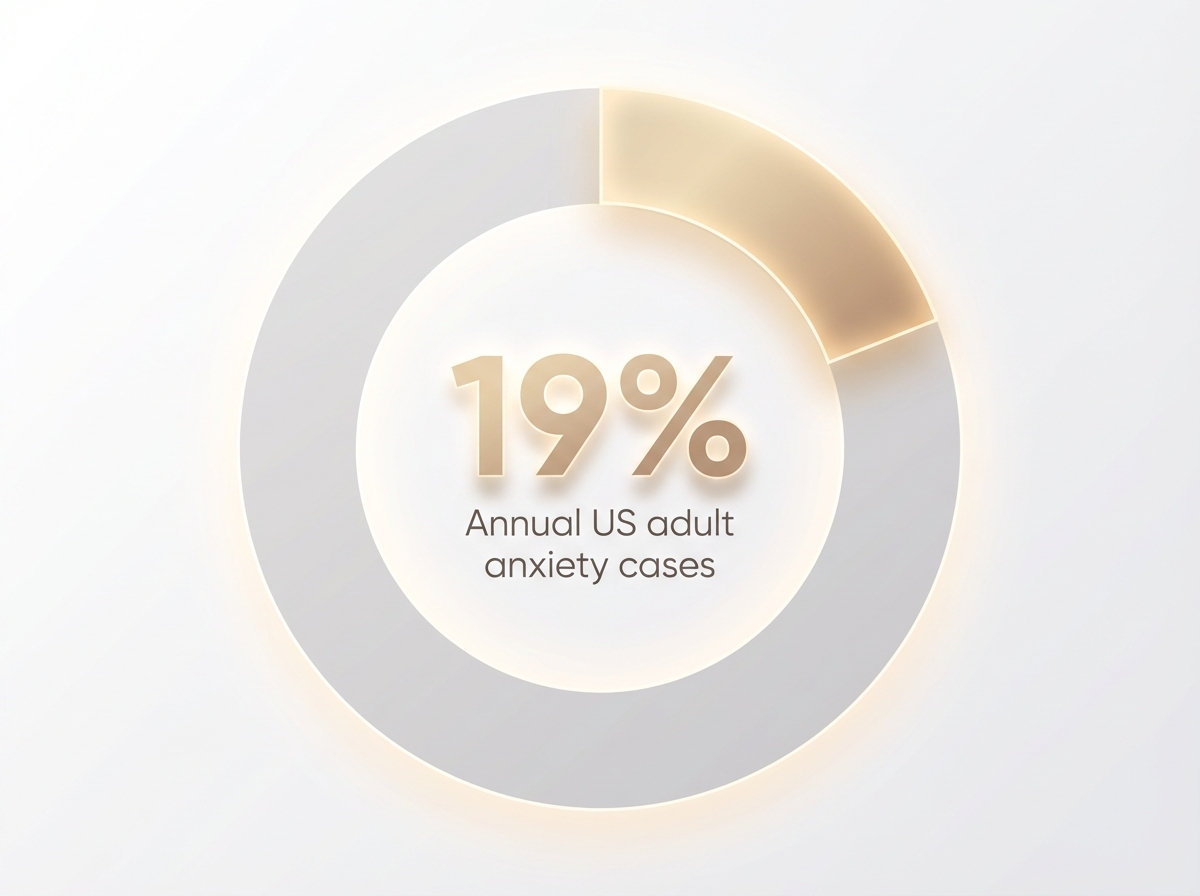
Mental health conditions further complicate this picture. Anxiety disorders affect 19% of US adults each year, with even higher prevalence in the young adult group most associated with launch delays. Depression and undiagnosed ADHD often present as low motivation, procrastination, or avoidance—symptoms that can be misinterpreted as laziness or lack of willpower.5
Studies reveal that roughly 37% of young adults in this demographic meet criteria for at least one behavioral health condition. Consider this method if you are assessing adults whose independence struggles persist despite apparent opportunity and support. By mapping mental health and executive function profiles, teams can distinguish between temporary setbacks and entrenched neurodevelopmental or psychological roadblocks.
Digital Dependency's Role in Developmental Delay
Tool: Digital Dependency Impact Assessment Checklist
- Track daily screen time (work, recreation, social media).
- Identify shifts in sleep, social interaction, and offline engagement.
- Note patterns of avoidance or distress when offline.
- Assess whether digital activities replace tasks related to independence (job search, personal care, errands).
Digital dependency is emerging as a significant factor in developmental delay among adults, especially in the context of failure to launch psychology. Studies have shown that problematic digital engagement—spanning social media, gaming, and streaming—correlates with increased anxiety, lower motivation for offline activities, and heightened social withdrawal in young adults.9
Unlike mental health factors or executive function deficits alone, digital dependency often blurs the line between external distraction and internal avoidance. For instance, excessive screen time can crowd out opportunities for practicing basic life skills, building in-person relationships, or pursuing employment. Implementing digital wellness tools, such as setting device limits via Screen Time or Digital Wellbeing settings, is often a necessary first step.
This strategy suits organizations that work with adults who appear disengaged from traditional responsibility pathways yet show high engagement with digital platforms. Clinical evidence points to a feedback loop: more screen time leads to avoidance of real-world challenges, which in turn increases reliance on digital comfort zones.
Post-pandemic trends have intensified this cycle, with many young adults reporting increased problematic internet use and delayed transitions to independent living. Research shows that screening for digital dependency is now considered a best practice when assessing developmental delays and behavioral health concerns in young adults.1,9
Insight Beyond Treatment
At Next Level Wellness & Behavioral Health, we believe meaningful change starts with perspective, not just protocols.
That philosophy is directly led by Amanda Marino, whose voice in behavioral health extends beyond clinical settings into leadership, culture, and personal growth.
Through keynote speaking and live events, Amanda explores the deeper themes that show up in recovery, family systems, and life transitions: authenticity, resilience, accountability, and the courage to change. Her work invites audiences to move past labels and into honest conversations that create lasting impact.

Assessment Framework for Complex Cases
Identifying Underlying Conditions vs Symptoms
Tool: Condition vs. Symptom Differential Checklist
- List persistent symptoms (motivation, organization, self-care, social withdrawal).
- Screen for underlying diagnoses using tools like the
DSM-5-TRcriteria (anxiety, depression, ADHD, digital dependency). - Compare symptom patterns: Are they episodic or chronic? Do symptoms shift with context?
- Test compensatory strengths: Where does the individual function well, and under what conditions?
In complex cases of failure to launch psychology, teasing apart underlying conditions from surface-level symptoms is essential for targeted intervention. Many adults presenting with stalled independence have symptoms that mimic low motivation, yet research indicates that these are often secondary to treatable mental health diagnoses or executive function deficits.4
For example, chronic avoidance may reflect an anxiety disorder rather than a lack of desire to grow. Similarly, disorganization and poor follow-through may be symptoms of undiagnosed ADHD, which is commonly missed in high-functioning adults.8
This solution fits teams who need to differentiate between behavioral patterns that require clinical intervention and those that respond to coaching or environmental change. According to national survey data, nearly 37% of young adults in the failure to launch demographic actually meet criteria for at least one behavioral health condition, highlighting the need for comprehensive screening.3
Identifying these distinctions allows professionals to match the intensity of support to true underlying needs, not just visible behaviors. Next, the assessment framework turns to family dynamics and environmental contributors that shape individual progress.
Family Dynamics and Environmental Factors
Tool: Family and Environment Systems Map
- Document patterns of family support, communication, and boundary-setting.
- Note instances of parental accommodation or enabling behaviors.
- Assess environmental stressors: economic instability, housing, community support.
- Identify changes in autonomy or motivation following shifts in family dynamics.
Family dynamics and environmental factors frequently shape adult outcomes within failure to launch psychology. Research shows that parental accommodation—such as regularly rescuing from consequences, providing ongoing financial support, or stepping in to prevent discomfort—can inadvertently reinforce avoidance behaviors and prolong dependence.7
However, the line between helpful support and enabling is nuanced. Many families act out of compassion, especially when anxiety or depression is present, making it challenging to know when to adjust roles.
"Identifying the root cause—whether it is an undiagnosed neurodevelopmental issue or entrenched family accommodation—is the pivot point between enabling and empowering."
Environmental contributors play a significant role as well. Economic pressures and limited access to affordable housing can delay independence, but psychological markers like persistent avoidance or distress in the face of opportunity help distinguish when the barrier goes beyond external circumstances.10
Professionals working with these cases often find that intentionally shifting family boundaries—gradually increasing expectations for self-management while offering emotional backing—can prompt new adaptive behaviors. Opt for this framework when teams seek a holistic view, blending clinical assessment with a clear map of relational and environmental influences.
Evidence-Based Intervention Approaches
Coordinated Support Models That Work
Tool: Coordinated Support Model Selector
Coordinated support models have emerged as a cornerstone in addressing failure to launch psychology, especially for adults presenting with complex or overlapping challenges. Research shows that integrating family systems work, individual therapy, skill-building coaching, and digital health monitoring leads to measurable improvements in independence for 65–75% of participants within 12–18 months—far surpassing outcomes from more fragmented or self-guided efforts.
These models typically require a multidisciplinary team: licensed therapists, executive function coaches, and, when appropriate, family or parent educators. Concierge coordinated support models typically involve a time investment of 12 to 18 months. Costs can range from $3,000 to $8,000+ per month, reflecting the intensive, multidisciplinary nature of the care team, which is highly adaptable to demanding lifestyles.
Prioritize this when professionals coordinate efforts, ensuring interventions are not working at cross purposes. For example, a small business owner might benefit from a tightly integrated weekly schedule that blends cognitive-behavioral therapy, executive skills coaching, and regular digital use check-ins, while an enterprise client may need a more scalable, tech-enabled model involving remote monitoring and workplace liaisons.
Opting for a coordinated route makes sense for teams seeing stalled progress with siloed interventions or when underlying conditions are multifactorial. To tailor these models successfully, the next section explores how to match intervention pathways with the unique patterns and presentations observed in each client.
Implementation Pathways for Different Presentations
Tool: Intervention Pathway Matching Chart
- Identify client presentation: primary executive function deficit, pronounced digital dependency, strong family accommodation, or co-occurring mental health conditions.
- Map intervention intensity: brief skill-based coaching, integrated therapy-plus-family systems, or technology-supported monitoring.
- Note readiness for change and client preference for in-person, remote, or blended support modalities.
Implementation pathways in failure to launch psychology must reflect the unique blend of factors shaping each adult’s experience. For clients where executive function is the primary barrier, research supports short-term, targeted coaching modules—often delivered over 8–12 weeks—to build planning and organizational skills.4
Adults with both digital dependency and social withdrawal may benefit from digital use monitoring combined with motivational interviewing, progressing to peer-supported transition groups as skills develop. In cases marked by entrenched family accommodation or co-occurring anxiety and depression, multi-modal plans—combining weekly family sessions, individual therapy, and practical life coordination—show the highest rates of sustained progress.9
With these comprehensive approaches, 65–75% achieve greater independence compared to single-focus interventions. This approach is ideal for organizations that prioritize adaptability and real-world integration, allowing intervention intensity and format to evolve with client progress. By matching pathways to presentation, teams ensure resources are used efficiently and interventions remain client-centered.3
Your Next Steps in Supporting Launch Transitions
Supporting a young adult through launch transitions requires a thoughtful, coordinated approach. Research shows that families who engage professional support early often see stronger outcomes than those who wait until challenges escalate. The key is recognizing that this journey doesn't have to be navigated alone.
Start by having an honest conversation with the young adult about what's working and what isn't. This dialogue creates space for understanding whether underlying issues like anxiety, motivation challenges, or digital habits are creating barriers. From there, assembling the right support team becomes essential—this might include life coaches who specialize in launch transitions, behavioral health professionals, or case managers who can coordinate multiple aspects of care.
The most successful transitions happen when families balance support with accountability. This means creating structure while allowing room for growth, setting clear expectations while remaining flexible, and knowing when to step in versus when to step back. Professional guidance helps families navigate these nuances, ensuring that both parents and young adults feel supported throughout the process.
Frequently Asked Questions
How long does coordinated intervention typically take to show measurable progress?
Most adults participating in coordinated intervention for failure to launch psychology begin to show measurable progress within 12 to 18 months, based on outcome research from structured programs. These improvements typically include gains in independence, executive functioning, and daily living skills, especially when intervention blends individual therapy, family systems work, and skill-building coaching. Professionals find that weekly sessions and regular progress reviews help maintain momentum, though the pace can vary depending on the complexity of co-occurring conditions. This path makes sense for teams aiming for sustainable change, rather than short-term fixes.3
What's the difference between parental support and enabling behaviors in these cases?
Parental support and enabling behaviors can look similar but have crucial differences in failure to launch psychology. Support involves encouragement, guidance, and reasonable assistance that builds skills and confidence—such as helping with job search strategies or modeling healthy routines. Enabling, on the other hand, means consistently rescuing a young adult from natural consequences, providing ongoing financial support without clear expectations, or stepping in to prevent any discomfort. Research shows that parental accommodation of avoidance behaviors, even when well-intentioned, often prolongs dependence and delays autonomy. This distinction matters because effective support empowers growth, while enabling may unintentionally reinforce avoidance.7
When should families consider professional support versus self-guided approaches?
Families dealing with failure to launch psychology may wonder when it’s time to move from self-guided strategies to professional support. Opt for professional help if persistent avoidance, anxiety, or executive function challenges remain despite structured routines, clear expectations, and consistent encouragement at home. Research shows that about 37% of young adults in the failure to launch demographic meet criteria for a mental health disorder, and coordinated intervention increases independence rates by up to 75% compared to unstructured efforts. This route makes sense when self-guided approaches stall, or when family dynamics become strained by ongoing dependence. A professional team can provide tailored assessment, targeted coaching, and family guidance to address complex barriers.3
Can undiagnosed ADHD in adults present as failure to launch patterns?
Yes, undiagnosed ADHD in adults can absolutely present as failure to launch patterns. Many adults with ADHD—particularly those whose symptoms center on inattention, disorganization, and poor follow-through—may appear unmotivated or reluctant to take on adult responsibilities. Research highlights that these executive function deficits often go unrecognized until adulthood, especially in individuals who did well academically or masked symptoms earlier in life. In the context of failure to launch psychology, persistent struggles with starting tasks, meeting deadlines, or maintaining routines can reflect underlying ADHD rather than a lack of desire or capability. Screening for adult ADHD is key when standard motivational strategies aren’t working.8
What role does screen time reduction play in intervention success rates?
Screen time reduction can be a pivotal factor in improving intervention success rates for adults experiencing failure to launch psychology. Studies reveal that excessive digital engagement often correlates with increased anxiety, social withdrawal, and decreased offline motivation, which may stall progress in traditional interventions. When screen time is intentionally reduced and replaced with real-world activities or skill-building, professionals report more consistent gains in independence and daily functioning. This method works when digital use is identified as a significant barrier to engagement or follow-through. Incorporating digital wellness strategies alongside coaching and therapy can help break the pattern of avoidance and promote healthier routines.1,9
How do you distinguish between economic barriers and psychological dysfunction?
Distinguishing economic barriers from psychological dysfunction in failure to launch psychology involves assessing context and response to opportunity. Economic factors—such as high housing costs or lack of jobs—often delay independence for many capable adults, but when resources or chances are present and significant avoidance, distress, or functional impairment persist, psychological dysfunction becomes more likely. Research shows that young adults who continue struggling despite available support commonly exhibit anxiety, depression, or executive function deficits, not just circumstantial hardship. This path makes sense for professionals who notice persistent patterns even when external obstacles have been addressed. A thorough assessment comparing environment and internal markers is key.10
References
- American Psychological Association: Social Media and Mental Health. https://www.apa.org/science/about/psa/social-media-mental-health
- NCBI/PubMed Central: Extended Transition to Adulthood in Developed Countries. https://www.ncbi.nlm.nih.gov/pmc/articles/PMC6008421/
- SAMHSA National Survey on Drug Use and Health: Young Adult Behavioral Health. https://www.samhsa.gov/data/NSDUH
- National Institutes of Health: Executive Function and Life Outcomes. https://www.nih.gov/news-events/news-releases/executive-function-deficits-predict-poor-life-outcomes
- CDC: Mental Health Disorder Statistics. https://www.cdc.gov/mentalhealth/data-statistics/mental-health-disorder-statistics.html
- Child Trends: Employment and Activity Status of Young Adults. https://www.childtrends.org/indicators/idleness-young-adults
- American Psychological Association: Family Systems and Young Adult Development. https://www.apa.org/pubs/journals/fam-review
- NCBI/PubMed Central: ADHD in Young Adults—Delayed Diagnosis and Function. https://www.ncbi.nlm.nih.gov/pmc/articles/PMC5686411/
- NCBI/PubMed Central: Digital Technology and Young Adult Mental Health. https://www.ncbi.nlm.nih.gov/pmc/articles/PMC7444092/
- Brookings Institution: Economic Mobility and Young Adult Independence. https://www.brookings.edu/articles/economic-mobility-young-adults/
A Voice Shaping the Conversation
The topics explored here—change, self-awareness, recovery, and growth—are the same themes Amanda Marino brings to audiences nationwide through speaking engagements and live events.
Known for her appearances on A&E’s Intervention and Digital Addiction, Amanda speaks to organizations, communities, and leadership teams about navigating adversity, embracing vulnerability, and building lives rooted in purpose. Her message resonates far beyond treatment, offering insight that applies to families, professionals, and anyone standing at a crossroads.



Heal on your terms—any time, anywhere.