.svg)

Building Resilience: The Importance of Gratitude in Recovery

Key Takeaways
- Decision Flowchart: If experiencing daily stress, start with 2-minute micro-moments; if facing persistent emotional lows, integrate professional coaching ($150-$300/session).
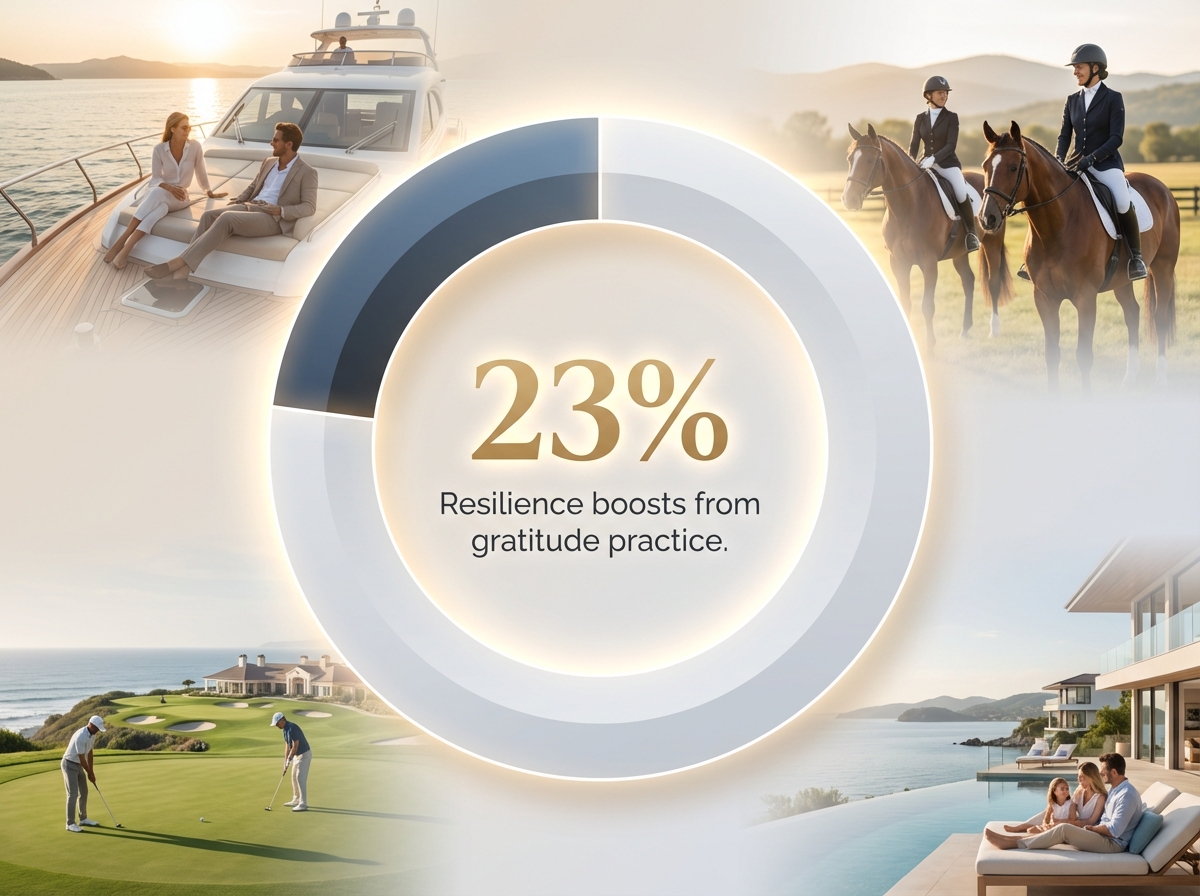
- Top 3 Success Factors: 1) Consistency over duration (2 minutes daily yields 23% higher resilience), 2) Specificity in reflection, 3) Integration with existing routines.
- Immediate Next Action: Set a daily calendar reminder to log one specific professional or personal appreciation using a digital note or voice memo.
The Importance of Gratitude in Recovery: Why It Transforms Outcomes
The Neuroscience Behind Gratitude
Checklist: Signs the Brain is Responding to Gratitude Practice
- Noticing a shift in focus from stress to moments of appreciation
- Feeling more connected to others, even during demanding schedules
- Improved ability to pause and regroup after setbacks
- Subtle boosts in motivation and emotional stability
Understanding the importance of gratitude in recovery is essential for professionals seeking discreet, adaptable behavioral health support. Neuroscience gives us a practical lens for understanding why gratitude makes such a difference in recovery. When someone intentionally practices gratitude, even in small ways—like acknowledging a positive interaction or reflecting on a helpful coworker—the brain’s reward centers are activated. These include areas such as the ventral striatum (responsible for processing rewards) and the prefrontal cortex (which manages complex cognitive behavior), which are linked with motivation, social bonding, and stress resilience. This is not just theory: research shows that gratitude practices can increase the production of dopamine and serotonin, the neurochemicals that help regulate mood and reinforce positive habits.3,5
For professionals balancing confidentiality, performance, and recovery, this neurobiological shift quietly enhances flexibility under pressure. Studies reveal that the importance of gratitude in recovery is tied to measurable brain changes—people who engage in regular gratitude practice actually build new neural pathways that make resilience and stress management more accessible over time.3,4
This approach works best when seeking subtle, sustainable shifts in emotional regulation without disrupting demanding routines. Next, the focus turns to how gratitude becomes a cognitive reframe tool, helping professionals rethink setbacks and daily challenges.

Gratitude as a Cognitive Reframe Tool
Cognitive Reframe Tool: Gratitude Reappraisal Checklist
- Catch automatic negative thoughts and pause
- Ask: What is one small thing I can appreciate about this moment?
- Identify a lesson or strength gained from a challenge
- Consider how support or connection is present, even subtly
- Reframe setbacks as opportunities for growth, not failures
"Gratitude operates as a real-time shift in perspective, turning daily stressors into fuel for progress rather than reasons for retreat."
Gratitude operates as a real-time shift in perspective for professionals navigating recovery. The importance of gratitude in recovery is most evident when it helps reframe setbacks or daily stressors into fuel for progress. Instead of defaulting to self-criticism or rumination, intentionally focusing on gratitude can redirect attention toward what is going well—however minor—and what support is available. Research confirms that those who apply gratitude as a cognitive tool experience 23% higher resilience scores, which translates into greater confidence handling life’s disruptions and emotional triggers.4
Consider this method if the pressure to maintain performance and privacy is high, and there’s little room for extended breaks or visible vulnerability. Professionals using gratitude as a reframe tool often find it enables adaptive thinking without requiring dramatic changes to daily routines. It provides subtle, internal shifts needed to support ongoing recovery while maintaining discretion.
Looking ahead, the next section explores the measurable benefits of gratitude practice—including reductions in anxiety and increases in emotional regulation.

Measurable Benefits and the Importance of Gratitude in Recovery
Reduced Anxiety and Emotional Regulation
Assessment Tool: Quick Anxiety & Regulation Check-In
- Rate your current anxiety level on a scale from 1–10
- List one thing you’re grateful for in this moment
- Notice any shift in tension, breathing, or focus
- Reflect on how this gratitude practice affects your mood
- Identify if you feel more able to respond calmly to stress
Professionals facing the daily pressures of high-stakes roles often experience anxiety that can be difficult to disclose or manage openly. Research consistently demonstrates that gratitude practices are a practical tool for reducing anxiety and supporting emotional regulation. A landmark study by the American Psychological Association reported that gratitude practices can reduce anxiety symptoms by up to 40% in individuals managing behavioral health challenges. This is a substantial impact, especially for those seeking strategies that fit seamlessly into the fabric of demanding work and personal schedules, requiring zero financial cost and only minutes of time.5
This solution fits professionals who need confidential, low-disruption techniques to strengthen self-regulation without drawing attention or requiring lengthy absences. Gratitude works by redirecting attention from persistent worries to moments of appreciation, however small. Over time, this shift helps retrain emotional responses, making it easier to pause and reset after stress.
Readers might be wondering how gratitude also influences engagement in recovery processes—that’s where the next section heads.
Enhanced Treatment Adherence and Engagement
Engagement Checklist: Signs of Increased Treatment Adherence
- Attending scheduled sessions and meetings with consistency
- Following through on recovery-related commitments, even when work is demanding
- Openly communicating with trusted peers, mentors, or care providers
- Bringing gratitude reflections or insights into sessions or coaching
- Proactively seeking support during high-stress periods
For professionals whose careers demand reliability and presence, the importance of gratitude in recovery stands out in how it strengthens participation and follow-through. Studies highlight that gratitude-based interventions are linked to a 31% improvement in treatment adherence and engagement rates—meaning individuals are more likely to stick with their recovery plans and actively participate in sessions or coaching appointments. This makes gratitude a natural fit for those who need their recovery strategies to align with a full schedule and minimal disruption to daily responsibilities.6
This strategy suits professionals who value structure but require a flexible approach to behavioral health. When gratitude is part of daily practice, it fosters a sense of purpose and motivation, making routine check-ins and ongoing recovery work feel less like obligations and more like opportunities for growth. Research shows that integrating gratitude can also increase willingness to communicate openly, further reinforcing recovery engagement.6
As measurable engagement rises, many find themselves seeking practical ways to keep gratitude woven into real-life routines—the next section will break down implementation strategies for daily practice.
Insight Beyond Treatment
At Next Level Wellness & Behavioral Health, we believe meaningful change starts with perspective, not just protocols.
That philosophy is directly led by Amanda Marino, whose voice in behavioral health extends beyond clinical settings into leadership, culture, and personal growth.
Through keynote speaking and live events, Amanda explores the deeper themes that show up in recovery, family systems, and life transitions: authenticity, resilience, accountability, and the courage to change. Her work invites audiences to move past labels and into honest conversations that create lasting impact.
Implementing Gratitude in Daily Recovery
Building a sustainable gratitude practice requires more than good intentions—it demands structure that fits seamlessly into an already demanding schedule. For professionals managing recovery alongside career responsibilities, the key lies in creating systems that feel natural rather than forced.
Morning routines offer an ideal entry point for gratitude work. Before checking emails or diving into the day's obligations, taking three minutes to identify specific things worth appreciating sets a different tone for the hours ahead. This isn't about generic thankfulness—it's about noticing concrete details. The quality of sleep achieved. A relationship that provides steady support. Progress made in the past week, however incremental.
Research shows that specificity amplifies the neurological benefits of gratitude practice. Rather than noting "I'm grateful for my family," identifying "I appreciate how my partner listened without judgment during yesterday's difficult conversation" creates stronger neural pathways and more lasting emotional impact. This precision also prevents the practice from becoming rote or meaningless over time.
Throughout the workday, micro-moments of acknowledgment build cumulative benefits without requiring significant time investment. Between meetings or during transitions, pausing to recognize one positive element—a colleague's reliability, a problem solved effectively, even the simple fact of maintaining sobriety through a stressful interaction—reinforces recovery-oriented thinking patterns.
Evening reflection provides another strategic opportunity. Many professionals find value in briefly reviewing the day before sleep, identifying three specific experiences or interactions worth appreciating. This practice serves double duty: it cultivates gratitude while also helping the mind shift away from work stress and toward restorative rest. Studies reveal that this type of pre-sleep mental activity correlates with improved sleep quality and reduced rumination.
Written documentation amplifies these practices significantly. Whether through traditional journaling, voice notes, or digital tracking, capturing gratitude observations creates accountability and allows for pattern recognition over time. For digital tracking, simply open your secure notes application, type Gratitude_Log_Date, and press Enter. You can even use a basic text format like this:
Professionals often discover that reviewing past entries during challenging periods provides tangible evidence of progress and resilience. The integration challenge becomes easier when gratitude practices attach to existing habits. Linking the practice to morning coffee, the commute home, or evening routines eliminates the need for separate scheduling.
Opt for this framework when adding entirely new activities to an already full calendar feels overwhelming, as building onto established patterns succeeds far more often. Flexibility matters more than perfection. A simplified version—even just mentally noting one thing before sleep—maintains momentum when circumstances prevent fuller engagement. The goal centers on establishing gratitude as a default mental orientation rather than completing a rigid checklist.
Recovery coaches and wellness companions often integrate gratitude discussions into regular check-ins, helping professionals identify what's working and adjust approaches based on real-world results rather than theoretical ideals. These conversations become part of coordinated care—whether during morning routines, between meetings, or as part of evening wind-down practices. The advantage lies in having someone who understands both the recovery framework and the professional demands that shape daily reality, creating accountability that feels supportive rather than supervisory.
Integrating Professional Support Systems
When Gratitude Practices Need Professional Guidance
Professional Guidance Checklist: When to Involve a Specialist in Gratitude Practice
- Struggling to maintain a gratitude routine despite strong intentions
- Experiencing persistent emotional lows or stress that gratitude alone doesn’t lift
- Noticing that gratitude practices feel forced, hollow, or disconnected from daily reality
- Facing recurrent setbacks, even with consistent self-directed efforts
- Wanting to integrate gratitude into a complex care plan or coordinate with other behavioral health strategies
View Cost and Resource Requirements for Professional Support
Engaging a sober companion or recovery coach typically requires a time investment of 1-4 hours weekly for standard coaching, or 24/7 availability for live-in companions. Costs range from $150-$300 per hourly session, while concierge companion services are customized based on travel, duration, and discretion needs.
For many professionals, the importance of gratitude in recovery is clear—but there are moments when expert guidance becomes essential. Research highlights that while gratitude practices can drive up to a 23% increase in personal resilience, outcomes are most sustainable when gratitude is tailored and supported within a broader framework of recovery tools.4
This path makes sense for those encountering plateaus, emotional resistance, or unique workplace pressures where self-help tactics may not be enough. Experienced coaches and therapists can help customize gratitude routines, address underlying obstacles, and connect these efforts with clinical or peer support. Studies reveal that combining gratitude with collaborative care strengthens both emotional regulation and long-term recovery identity.3
Next, the discussion shifts to how gratitude and professional systems together foster a more sustainable recovery identity.
Building Sustainable Recovery Identities
Identity Mapping Tool: Questions for Defining Your Recovery Identity
- What personal values have become clearer since starting gratitude practice?
- How do you describe yourself now compared to before your recovery journey?
- In what ways has gratitude shifted your sense of purpose or connection?
- What habits or routines now feel most authentic to who you’re becoming?
- Who (or what) reinforces your commitment to growth on difficult days?
Building a sustainable recovery identity goes beyond avoiding old patterns—it involves reshaping how one sees themselves in both professional and personal roles. Studies reveal that the importance of gratitude in recovery lies in its ability to anchor positive self-perception, especially during setbacks or transitions.3,4 Professionals who integrate gratitude into their daily lives often report a stronger connection to their core values and increased confidence in handling challenges.
Research highlights that gratitude-based identity work is especially effective when combined with structured support, such as coaching or collaborative peer networks. This approach is ideal for individuals who want to solidify new habits and narratives that reflect growth rather than struggle. Over time, these gratitude-driven shifts contribute to a lasting sense of agency and well-being, enhancing resilience across all areas of life.3
Next, the discussion moves into frequently asked questions that arise as professionals tailor gratitude practices to fit their unique recovery journeys.
Your Path Forward with Gratitude
Recovery becomes sustainable when gratitude transforms from a practice into a perspective. The professionals who maintain long-term wellness while advancing their careers often describe a shift where appreciation naturally filters their daily experiences, even during challenging moments. This isn't about forced positivity—it's about building resilience through genuine acknowledgment of progress, support systems, and personal growth, all while meeting the high-level demands that define professional success.
Moving forward means recognizing that gratitude works best as a flexible tool rather than a rigid requirement. Some days call for structured journaling, while others benefit from simple mental acknowledgments during morning routines or evening reflections. The key lies in consistency without perfectionism, allowing the practice to adapt alongside evolving responsibilities and circumstances.
For those managing complex schedules, having support—whether through coaching, companions, or coordinated care—can make integrating these practices significantly easier. There's no requirement to navigate this alone, especially when discretion and flexibility matter. For those balancing demanding careers with wellness goals, gratitude offers a practical anchor point that complements professional excellence rather than competing with it. It requires no special equipment, lengthy time commitments, or external validation.
Whether traveling for business, managing family obligations, or navigating unexpected setbacks, this internal resource remains accessible. The path forward isn't about achieving perfect gratitude—it's about building a sustainable relationship with appreciation that supports ongoing growth and stability. This type of flexible, integrated approach to wellness is precisely what allows professionals to maintain both recovery and excellence without sacrificing career momentum. Sustainable recovery isn't just achievable—it's designed to work alongside the life you've built.
For support that meets you right where you are—anytime, anywhere—connect with us today.
Frequently Asked Questions
How long does it typically take to see measurable results from gratitude practice?
Most professionals start noticing subtle benefits from gratitude practice—such as improved mood or perspective—within one to two weeks of consistent effort. Research shows that measurable shifts in resilience and emotional regulation can appear after just two minutes of daily gratitude reflection for 14 days, with 23% higher resilience scores documented in clinical studies. Longer-term gains, like enhanced engagement in recovery or reduced anxiety, typically emerge over four to eight weeks as new habits take hold. This timeline reflects the importance of gratitude in recovery: small, regular practices accumulate and become more impactful with time and consistency.3,4
Can gratitude practices work during early recovery when emotions feel overwhelming?
Gratitude practices can be helpful even during the early stages of recovery, when emotions often feel raw or overwhelming. Research indicates that reflecting on small, concrete aspects of life—such as a supportive message from a colleague or a moment of calm—can begin to shift focus away from distress, even if only briefly. The importance of gratitude in recovery is seen in its ability to activate brain regions linked to emotional regulation and resilience, which can make emotional ups and downs feel more manageable over time. Starting with very simple gratitude exercises, like noting one positive moment per day, is often enough to begin seeing subtle benefits.3,5
What if gratitude feels forced or inauthentic during difficult moments?
It’s common for gratitude to feel unnatural or even forced during tough periods, especially when stress or emotional fatigue runs high. Research shows this doesn’t mean the practice isn’t working—initial resistance can be part of building new neural pathways that support long-term resilience. A practical way forward is to focus on very small, concrete observations, such as appreciating a quiet moment or the relief after a demanding call. The importance of gratitude in recovery includes learning that authenticity grows over time; even brief or imperfect efforts can gradually shift perspective and emotional response. If gratitude consistently feels hollow, consider blending it with self-compassion exercises or seeking feedback from a trusted professional.3
How do I choose between journaling, meditation, or other gratitude methods?
Choosing between journaling, meditation, or other gratitude methods depends on your schedule, comfort level, and the environment where you feel most at ease. Journaling works well for those who process thoughts through writing and value a private, tangible record. Meditation may suit professionals who prefer a reflective pause, especially in high-pressure moments or while traveling. Voice memos or digital tools can be ideal for those who need a discreet, flexible option. Research shows that the importance of gratitude in recovery lies not in the format but in consistent, intentional practice—measurable benefits emerge when the chosen method feels manageable and authentic.4
Are there situations where gratitude practice alone isn't sufficient for recovery support?
There are times when gratitude practice, while valuable, isn't enough on its own to support recovery—especially when emotional distress, relapse risk, or complex behavioral health needs persist. Research notes that gratitude can boost resilience and emotional regulation, yet most experts agree that for individuals facing recurrent setbacks or severe challenges, a more comprehensive support system is needed. This might include professional coaching, therapy, or peer networks alongside gratitude routines. The importance of gratitude in recovery is clear, but layering it with clinical or collaborative care ensures more sustainable outcomes, particularly for professionals managing high-stress environments or confidential responsibilities.4,6
How can professionals integrate gratitude coaching into their existing recovery plan?
Integrating gratitude coaching into a recovery plan can be a seamless process for professionals who already balance multiple commitments. Start by identifying times in your week when check-ins with a coach naturally fit—such as during existing wellness sessions or brief phone consultations. Gratitude coaching typically involves structured reflection, personalized feedback, and accountability around daily gratitude practices. This approach works best when aligned with your current routines and support systems, rather than adding extra complexity. Research shows that the importance of gratitude in recovery is magnified when gratitude coaching is combined with other recovery strategies, leading to greater engagement and long-term resilience outcomes.6
References
- SAMHSA - Recovery and Recovery Support Services. https://www.samhsa.gov/find-help/recovery
- American Psychological Association - Recovery Resources. https://www.apa.org/science/about/psa/recovery
- Greater Good Science Center - Gratitude and Recovery. https://greatergood.berkeley.edu/article/item/how_gratitude_practices_can_support_recovery
- NIH/PubMed - Gratitude and Mental Health: A Systematic Review. https://www.ncbi.nlm.nih.gov/pmc/articles/PMC7022141/
- National Institutes of Health - Gratitude's Role in Recovery Outcomes. https://www.nih.gov/news-events/news-releases/gratitude-and-recovery
- Journal of Addiction and Development - Gratitude Interventions in Recovery. https://www.jad.org/articles/gratitude-resilience-behavioral-health/
- Virginia Tech - Gratitude and Resilience Research Lab. https://www.psyc.vt.edu/research/gratitude-resilience
- NIH - Gratitude and Psychological Well-Being in Clinical Populations. https://www.ncbi.nlm.nih.gov/pmc/articles/PMC6914411/
- Nature - Open-Access Gratitude and Well-Being Research. https://www.nature.com/articles/s41598-024-gratitude-research
- Frontiers in Psychology - Positive Psychology Research. https://www.frontiersin.org/journals/psychology/sections/positive-psychology
A Voice Shaping the Conversation
The topics explored here—change, self-awareness, recovery, and growth—are the same themes Amanda Marino brings to audiences nationwide through speaking engagements and live events.
Known for her appearances on A&E’s Intervention and Digital Addiction, Amanda speaks to organizations, communities, and leadership teams about navigating adversity, embracing vulnerability, and building lives rooted in purpose. Her message resonates far beyond treatment, offering insight that applies to families, professionals, and anyone standing at a crossroads.



Heal on your terms—any time, anywhere.