.svg)

Mental Health Resources for Your Professional Life

Key Takeaways
- Assess Immediate Needs vs. Ongoing Support: Use a structured decision flowchart to determine if you require on-demand companion services, structured case management, or hybrid coaching.
- Prioritize Proactive Engagement: Engaging with adaptable support models early reduces the risk of chronic behavioral health complications by up to 40%.
- Leverage Hybrid Adaptability: The most successful professionals utilize a blend of digital check-ins and in-person concierge care to maintain continuity during travel and unpredictable schedules.
- Immediate Next Action: Evaluate your current weekly schedule to identify a 1-to-2-hour window where discreet, relationship-based support can be seamlessly integrated.
Why Mental Health Support Matters Now
The Reality of Professional Stress
Checklist: Spotting Signs of Professional Overload
- Are you experiencing frequent headaches, fatigue, or trouble sleeping?
- Do you notice irritability, trouble concentrating, or loss of motivation?
- Are you withdrawing from colleagues or avoiding work-related social situations?
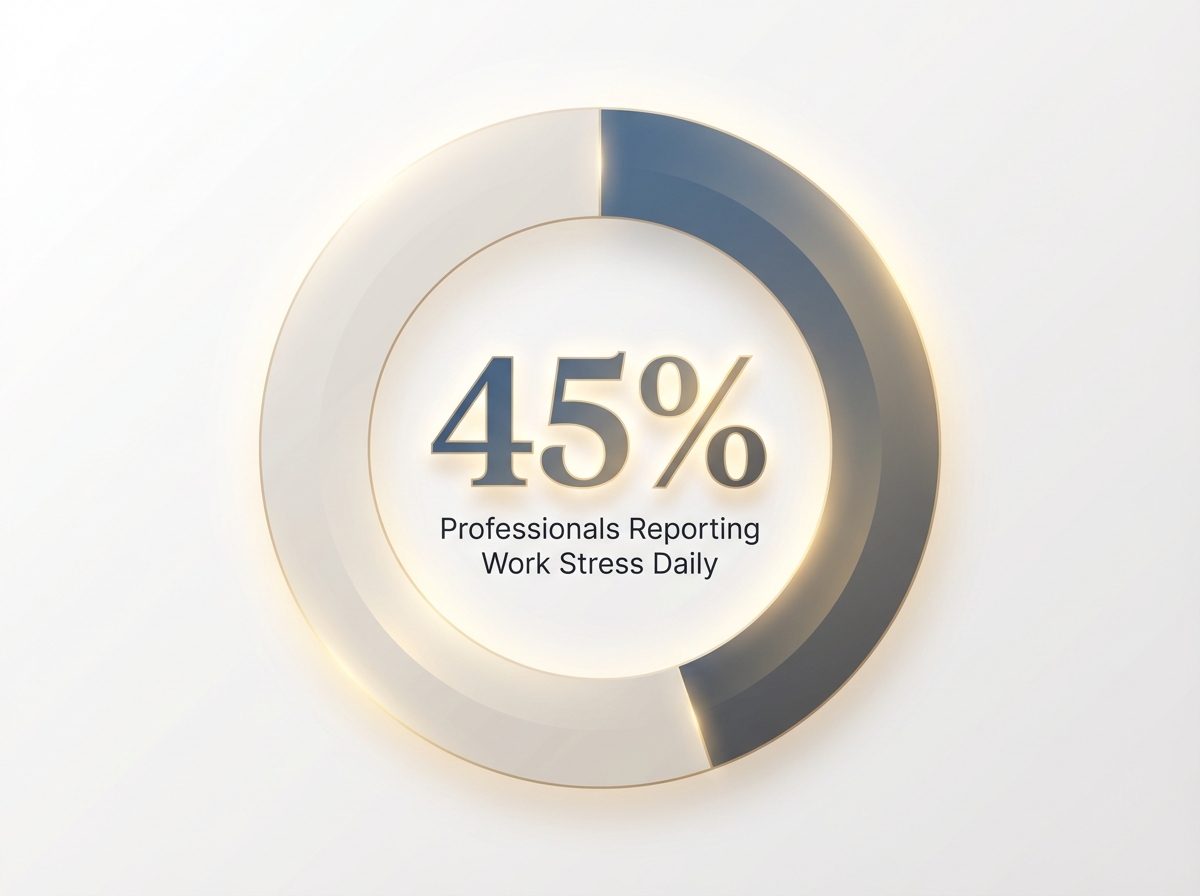
The reality of professional stress is often far more pervasive than most of us admit in our daily routines. When seeking mental health resources, high-achieving professionals are known for their resilience; however, research shows that 45% of professionals report daily stress that directly impacts their work performance. This isn’t just about feeling busy. Persistent stress can undermine decision-making, productivity, and even physical health.5
Industries such as law and healthcare are particularly affected—attorneys, for example, experience depression at rates more than three times higher than the general population.7
For professionals in demanding roles, the boundaries between work and personal life can blur, especially in remote or high-travel settings. Studies reveal that chronic stress not only affects emotional wellbeing but also disrupts sleep patterns, weakens immunity, and strains relationships. These factors make confidential, adaptable support essential—not as a last resort, but as a proactive tool for maintaining peak performance.8
With stress levels rising across sectors, it is crucial to explore what genuinely effective support looks like for busy professionals, and how to recognize the difference between surface-level solutions and real-life impact.
What Effective Support Actually Looks Like
Assessment Tool: What Does Meaningful Support Look Like for You?
- Does your current support accommodate unpredictable schedules or travel?
- Are options available for both remote and in-person collaboration?
- Can you access confidential help without lengthy wait times?
- Is support tailored to your specific professional pressures?
Effective support for professionals is neither one-size-fits-all nor purely clinical. What sets genuinely impactful care apart is adaptability—services that flex with shifting demands and blend clinical expertise with real-world coaching. For example, an executive managing global teams may need discreet digital check-ins, while a healthcare leader might benefit from a blend of peer support and professional coaching.
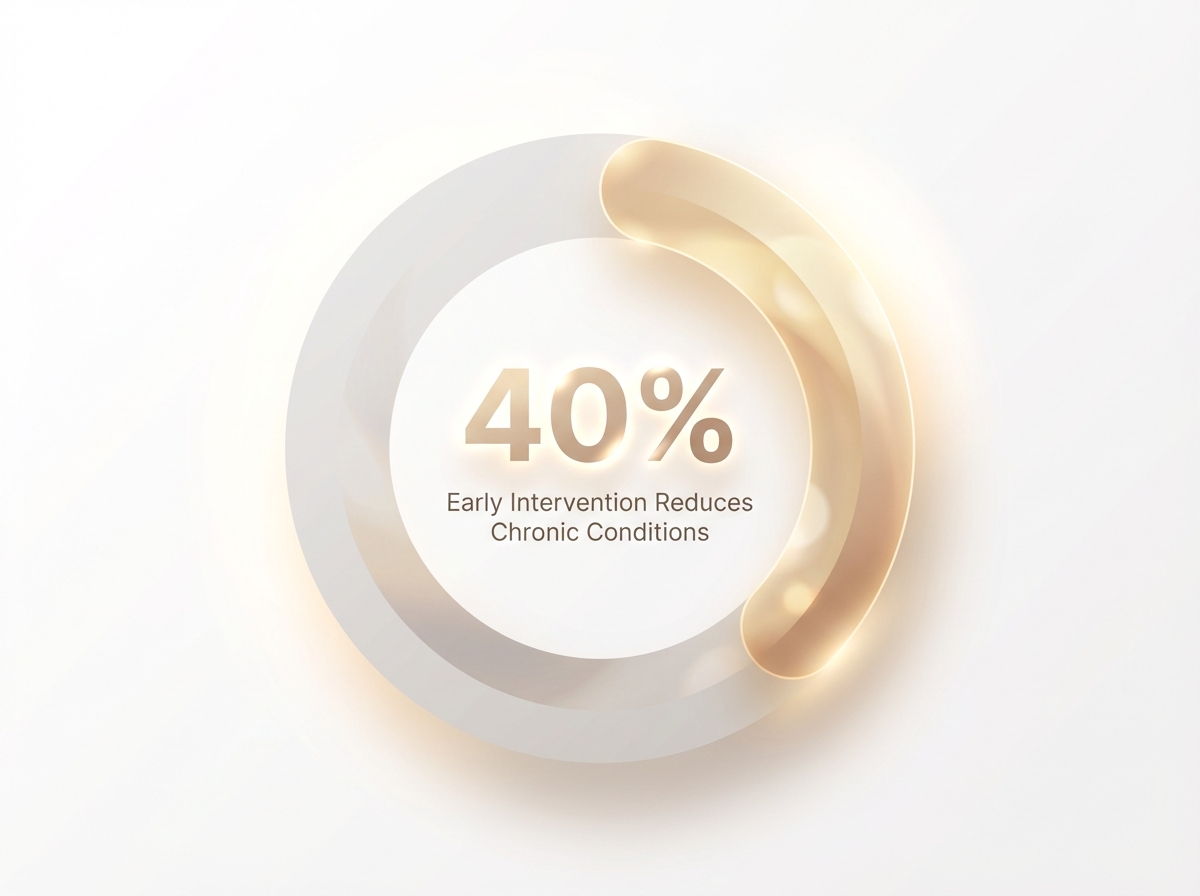
Studies highlight that early intervention programs—defined as proactive care initiated before symptoms severely disrupt daily functioning—reduce progression to chronic conditions by 40%. This strategy suits organizations that value proactive, relationship-based care over reactive crisis management. Research shows that hybrid models (combining virtual and in-person support) drive higher engagement, particularly when confidentiality and rapid response are prioritized.3,6
Opt for support that recognizes your lifestyle: flexible scheduling, seamless communication, and resource coordination for life’s curveballs. Prioritize this when your career leaves little room for lengthy absences or traditional, rigid therapy models.
Building Your Confidential Support Strategy
Privacy Protections and Workplace Rights
Checklist: Are Your Privacy and Rights Protected?
- Do you know what personal health information is shared with your employer or HR?
- Are you aware of your rights to request accommodations or flexible support?
- Have you reviewed your company’s confidentiality policies regarding disclosures?
For professionals balancing high-stakes roles and personal wellbeing, understanding privacy protections is key to using support with confidence. Under the Americans with Disabilities Act (ADA), most behavioral health conditions are protected. This means professionals can request reasonable accommodations such as remote work, flexible hours, or time off for treatment, without fear of discrimination. You can quickly save these resources by pressing Ctrl + D (or Cmd + D on Mac) to bookmark this guide for future reference.9
Recent EEOC guidance clarifies that employers must keep health information confidential unless disclosure is required for workplace safety or to provide accommodations. Prioritize this when you are in a visible leadership or sensitive position, where reputation and privacy are paramount. Studies reveal that when professionals trust their privacy is respected, they are 35% more likely to engage with support services.8,9
If your workplace offers digital platforms or third-party coaching, request information on data security and confidentiality agreements. You might even use a simple template to inquire with HR:
Subject: Inquiry Regarding Confidential EAP Services Hello [HR Contact], Could you please provide the documentation on privacy protections and data security for our external support services?

Resource Planning: Time, Budget, and ROI
Resource Planner: Estimate Time, Budget, and Impact
- How many hours per week can you reasonably commit to your wellbeing?
- What is your preferred format: digital, in-person, or hybrid?
- What business metrics (productivity, absenteeism, turnover) matter most for ROI tracking?
Allocating time and budget for confidential support is both a strategic and a personal decision. Industry analysis shows organizations investing in tailored programs experience a 3-to-1 return on investment, with measurable gains in productivity and reduced costs from absenteeism and turnover. For individual professionals, this means that prioritizing even 1–2 hours weekly—whether for digital check-ins, coaching, or companion services—can yield tangible improvements in focus and resilience.10
This approach works best when you map needs directly to your work rhythms. Busy executives, for example, often find brief, high-impact sessions more sustainable than lengthy weekly therapy. Meanwhile, those navigating transitions or high-stakes projects may benefit from a hybrid plan that flexes with changing demands.
When considering financial investment, the true ROI often appears in reduced crisis incidents, fewer missed workdays, and improved on-the-job engagement. This solution fits professionals who want to adapt care to their workflow—and tracking changes in key performance areas can make the value clear for both you and your organization.10
Your Next 30 Days: Taking Action
The first 30 days set the foundation for sustainable change—and we understand that for professionals managing demanding careers, this foundation must be built around your existing commitments, not in spite of them. Your schedule doesn't pause for recovery, privacy isn't negotiable, and performance standards remain non-negotiable. Research shows that incremental progress builds momentum more effectively than dramatic shifts, which is why the most successful approaches integrate seamlessly into your current routine rather than requiring you to step away from it.
Consider beginning with a thorough assessment that accounts for your specific constraints. This might mean working with a case manager who coordinates support around your travel schedule, ensuring continuity whether you're in New York, London, or Singapore. Or it could involve a 24-hour wellness companion who integrates into your daily routine—someone who understands that your check-ins might happen during your morning commute or between back-to-back meetings.
A managing partner we worked with arranged brief touchpoints during his drive to the office; an executive traveling internationally maintained consistency through location-flexible support that adapted to different time zones. We've found that establishing these baseline touchpoints—whether through structured journaling, pattern tracking, or scheduled check-ins—provides measurable reference points without disrupting the professional momentum you've worked years to build.
The next step involves identifying potential obstacles before they arise. High-pressure periods, international travel, and professional events often present challenges, which is why having contingency plans removes the need for crisis decision-making. This is where life coordination becomes invaluable—managing everything from prescription continuity across state lines to arranging discreet support during industry conferences. Consider this route if you need support that bends to your calendar, not the other way around.
Taking action means recognizing that seeking this level of personalized, discreet support is a strategic decision—the same type of strategic thinking you apply when assembling your professional team, selecting advisors, or optimizing any other high-stakes aspect of your life. The most successful outcomes happen when we approach wellbeing with the same standards of excellence, customization, and confidentiality that define how high-performers operate in every other domain.
For support that meets you right where you are—anytime, anywhere—connect with us today.
Insight Beyond Treatment
At Next Level Wellness & Behavioral Health, we believe meaningful change starts with perspective, not just protocols.
That philosophy is directly led by Amanda Marino, whose voice in behavioral health extends beyond clinical settings into leadership, culture, and personal growth.
Through keynote speaking and live events, Amanda explores the deeper themes that show up in recovery, family systems, and life transitions: authenticity, resilience, accountability, and the courage to change. Her work invites audiences to move past labels and into honest conversations that create lasting impact.
Frequently Asked Questions
What's the typical budget range for personalized mental health support that doesn't go through insurance?
Since insurance is often not part of the equation for personalized mental health support, professionals should anticipate direct-pay models. While exact rates vary by provider type and region, industry research highlights that organizations investing in tailored mental health programs see a 3-to-1 return on investment, reflecting real value for both individual and business outcomes. Many professionals choose flexible options such as digital check-ins, coaching sessions, or companion services, which can be scheduled in increments as brief as 30 minutes and customized for frequency. This approach is ideal for those who need confidential, adaptable mental health resources without long-term commitments or insurance paperwork.10
How do I choose between digital platforms, traditional therapy, and coaching-based support?
Choosing between digital platforms, traditional therapy, and coaching-based support depends on your goals, schedule, and privacy needs. Digital mental health resources work well for professionals who need flexible, on-demand access and value privacy—especially during travel or unpredictable weeks. Traditional therapy is a strong match if you’re seeking deep clinical expertise, or ongoing care for complex issues that benefit from a licensed clinician’s support. Coaching-based models suit individuals focused on performance, accountability, and actionable strategies integrated directly into work routines. Research shows that hybrid approaches—combining digital access with live coaching or therapy—drive higher engagement and better results for busy professionals.3
Can my employer access information about mental health services I use outside of their EAP?
Employers generally do not have access to information about mental health services you use outside of their Employee Assistance Program (EAP), unless you provide written consent. U.S. federal law, including the Americans with Disabilities Act (ADA), and EEOC guidance require that any mental health details shared with an employer—such as for workplace accommodations—must remain confidential and separate from personnel files. This means attending therapy, coaching, or using third-party mental health resources privately will not be disclosed to your employer without your explicit permission. Prioritize providers who offer clear privacy policies to further protect your confidentiality.9
How long does it typically take to see meaningful results from professional mental health support?
Meaningful results from professional mental health support often appear within 4 to 12 weeks, though this depends on the type of resource, your goals, and consistency. Early intervention—such as engaging with coaching or digital tools alongside clinical care—can accelerate progress and reduce the risk of long-term complications by up to 40%. This approach is ideal for professionals who set clear objectives and regularly evaluate their progress. Some notice improved focus, resilience, or mood after just a few targeted sessions, while others benefit from sustained support over several months. Flexibility and ongoing reflection help maximize outcomes.6
What makes companion-based support different from traditional therapy or counseling?
Companion-based support differs from traditional therapy or counseling by offering real-time, situational assistance—often onsite or virtually—integrated directly into a professional’s daily life. While therapy centers on scheduled sessions and clinical guidance, a companion provides flexible, confidential presence during work travel, late hours, or social situations. This solution fits professionals who need immediate, adaptive mental health resources that flex with unpredictable demands. Research shows that combining companion support with coaching or therapy can increase engagement and reduce the risk of chronic mental health complications by up to 40%. This route is ideal for those seeking support that blends seamlessly with the realities of high-performance careers.6
How do I maintain continuity of care when traveling frequently for work?
Maintaining continuity of care during frequent travel is much easier with today’s flexible mental health resources. Consider hybrid support models—such as combining digital check-ins, teletherapy, and periodic in-person sessions—which adapt to changing locations and unpredictable schedules. Many professionals find that companion-based services or coaching platforms, available both virtually and face-to-face, offer seamless support wherever work takes them. Industry research highlights that hybrid approaches significantly improve engagement and reduce gaps in care for those who travel often. This approach works well for individuals whose careers demand adaptability and who prioritize confidential, consistent access to support.3
What are the actual success rates for professionals who invest in early intervention versus waiting until crisis?
Professionals who engage with early intervention mental health resources see markedly better outcomes than those who wait until a crisis point. Research indicates that early intervention programs reduce the progression to chronic mental health conditions by 40%, meaning individuals are less likely to experience long-term complications when support is accessed proactively. This approach is ideal for professionals seeking to maintain performance and avoid extended absences. In contrast, waiting until symptoms become severe can lead to greater disruption, increased time away from work, and a longer recovery process. For those in demanding roles, timely support often makes all the difference in sustaining both wellbeing and business impact.6
References
- Mental Health in the Workplace. https://www.apa.org/pubs/highlights/perintl-mental-health-workplace
- Workplace Mental Health Promotion. https://www.cdc.gov/workplacehealthpromotion/tools-resources/workplace-mental-health.html
- SAMHSA Workplace Resource Center. https://www.samhsa.gov/workplace/
- 2024 Employee Benefits Survey. https://www.shrm.org/hr-today/trends-and-forecasting/research-and-surveys/pages/2024-employee-benefits-survey.aspx
- Work and Wellbeing: The State of Global Workplace. https://www.gallup.com/workplace/324849/work-and-wellbeing.aspx
- Occupational Mental Health and Wellbeing: Prevention and Intervention Strategies. https://www.ncbi.nlm.nih.gov/pmc/articles/PMC8277270/
- Mental Health Crisis in High-Stress Professions: JAMA Research. https://www.jama.com/journals/jama/article-abstract/2791340
- NIH Research on Workplace Mental Health. https://www.nih.gov/news-events/nih-research-matters/mental-health-workplace
- EEOC Guidance on Mental Health Disabilities and Workplace Rights. https://www.eeoc.gov/laws/guidance/ada-mental-health-disabilities-workplace
- McKinsey: Mental Health and Employer Obligations. https://www.mckinsey.com/capabilities/people-and-organizational-performance/our-insights/mental-health-and-employers-balancing-business-and-care
A Voice Shaping the Conversation
The topics explored here—change, self-awareness, recovery, and growth—are the same themes Amanda Marino brings to audiences nationwide through speaking engagements and live events.
Known for her appearances on A&E’s Intervention and Digital Addiction, Amanda speaks to organizations, communities, and leadership teams about navigating adversity, embracing vulnerability, and building lives rooted in purpose. Her message resonates far beyond treatment, offering insight that applies to families, professionals, and anyone standing at a crossroads.



Heal on your terms—any time, anywhere.