.svg)

Sober Companion Boca Raton: Discreet Local Support

Key Takeaways
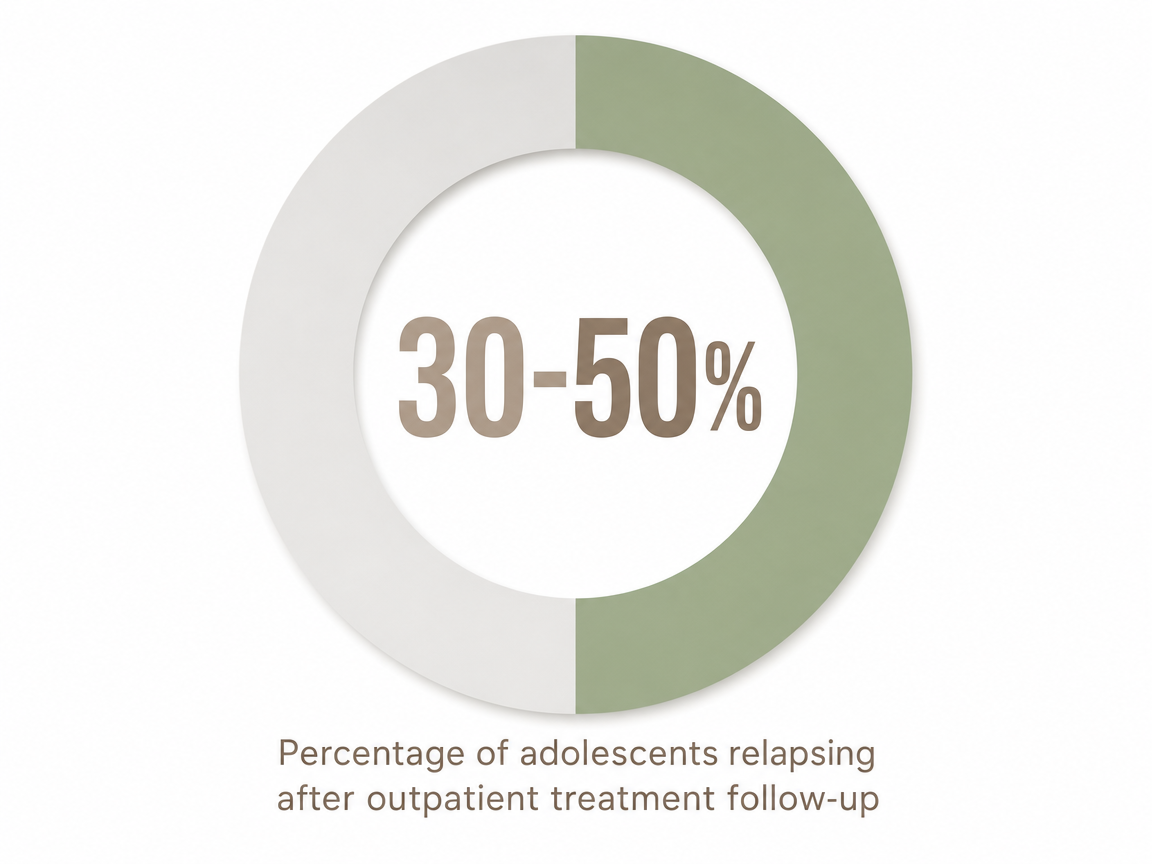
- The first 90 days after treatment in Boca Raton carry the highest relapse risk, with outpatient follow-up data showing rates of 30–50%.8
- A sober companion differs from a sponsor or therapist by integrating into daily routines, from Mizner Park mornings to A1A travel, while case management coordinates the clinical care underneath.
- Choose between hourly, live-in, or travel structures based on your actual calendar, and expect the arrangement to step down as recovery capital, fellowship, and routines take hold.
- Vet companions on Florida CRPS certification under Statute 397.417, SAMHSA-aligned standards, multidisciplinary backup, written discretion protocols, and personal fit before signing on.7
The First 90 Days Home: Why This Window Decides Everything
You finished treatment, said goodbye to people who knew you at your most honest, and walked back into a life that didn't pause while you were gone. That gap between leaving structured care and rebuilding daily life on your own terms is where recovery is actually won or lost, and it deserves to be treated that way.
Relapse rates after outpatient treatment have been reported in the 30–50% range, drawn from long-term follow-up of adolescent outpatient care. This figure highlights the challenges of early recovery. The first three months home are often difficult, regardless of how strong your discharge plan looks on paper.8
Boca Raton presents its own unique set of environmental cues. Mizner Park on a Saturday, a wedding at the Boca Resort, or a client dinner near A1A can all be triggers. These are not moral problems but environmental factors that can impact a nervous system still recalibrating. This is where a lived-experience companion can provide crucial support, helping you implement your discharge plan effectively. The next 90 days can be a period of active building rather than constant struggle.

What a Sober Companion Actually Does in Boca Raton
Not a Sponsor, Not a Therapist, Not a Babysitter
A sober companion is distinct from a sponsor or a therapist. A sponsor is a peer in a fellowship who guides you through steps and offers support. A therapist provides clinical sessions to address underlying issues. A sober companion is a paid, trained professional with lived experience who integrates into your daily life to help you manage it.
SAMHSA describes peer support workers as individuals who have successfully navigated their own recovery journeys and now assist others in applying treatment principles to real-world routines, aiming to reduce the likelihood of returning to substance use. A good companion operates within this framework, supporting your plan's implementation without acting as a doctor, boss, or police. They collaborate with you, ensuring your decisions are supported and you don't have to navigate every choice alone.10
A Week in the Life: From Mizner Park Mornings to A1A Sunsets
To illustrate the role, consider an ordinary week, aligned with SAMHSA's core competency categories for peer workers: engagement, support, recovery planning, and crisis management.11
Hourly, Live-In, or Travel: Choosing the Structure That Fits Your Week
The right support structure should align with your personal schedule and needs. Consider your upcoming weeks to identify areas where support is most needed, such as mornings before an Intensive Outpatient Program (IOP), quiet evenings, or travel.
Hourly companionship is suitable when your days have specific pressure points, and the rest of your week is relatively stable. For example, a companion might join you for a dentist appointment, a dinner with friends, or during weekend hours when boredom could be a trigger. This model allows you to direct the schedule, focusing support where the risk is highest. It's often effective four to eight weeks post-discharge, once a routine is established.
Live-in companionship is for situations where the entire environment poses a risk, such as the first few weeks home, during a significant life event like a divorce, or after a relapse. A live-in companion resides with you, providing continuous support, from breakfast to late-night challenges. This intensive approach is typically temporary, with the goal of transitioning to hourly support as your stability increases.
Travel companionship addresses the challenges of maintaining recovery while traveling for work or family. Whether it's a board meeting, a wedding, or a conference, travel introduces unique stressors like hotel minibars, time-zone changes, and external schedules. A travel companion manages logistics, ensures a structured evening, and supports healthy routines like morning workouts, acting as both a colleague and a recovery partner.
It's common to adapt the support structure over time. You might start with live-in support, transition to hourly, and then utilize travel support for specific trips. This flexibility is a sign of an effective plan. Collaborate with your case manager and companion to map out the next 90 days and build a structure that addresses your actual needs, rather than adhering to a rigid package.
Case Management Is the Engine Underneath
While your companion provides direct daily support, your case manager ensures the broader system of care is in place. They coordinate your IOP attendance, medication reviews with your psychiatrist, communication with your dentist regarding prescriptions, legal appointments, HR discussions about flexible return-to-work, and sober transport. Without this layer, even excellent companionship relies solely on willpower, which is not sustainable long-term.
The impact of case management is significant. A systematic review of randomized trials found that intensive case management nearly doubled abstinence rates at the 15-month follow-up compared with control conditions, a difference reported as statistically significant (p < 0.0025). A meta-analysis further indicates that case management is particularly effective at keeping individuals engaged in treatment and connecting them to necessary services (SMD = 0.33). This highlights its crucial role in preventing disengagement from care, a common pitfall in early recovery.1,13
In Boca Raton, this might mean your case manager confirms your IOP slot, facilitates communication between your therapist and prescriber, schedules follow-up bloodwork, briefs your companion on current challenges, and arranges an alternative meeting if you're traveling. This behind-the-scenes coordination allows you to focus on your recovery without managing complex logistics. This quiet, efficient engine provides the foundation for sustained recovery.
Family, Partners, and the People at Your Dinner Table
Your loved ones are integral to your recovery journey. Spouses, parents, children, and partners all navigate this process alongside you. These relationships don't pause; they reshape, and a good companion can help you navigate these changes intentionally.
Research indicates the importance of significant-other involvement. A study found a 5.7% reduction in substance use frequency that lasted 12 to 18 months when partners were involved in treatment (d=0.242). This suggests that structured engagement from those closest to you can have a lasting positive effect. Closeness in a partnership can strengthen commitment to recovery, while a shared history of substance use can weaken it. These insights provide a map for navigating sensitive conversations within relationships.2,4
Your companion can assist in these family dynamics. They can help you prepare for discussions with your partner about alcohol in the home, mediate during family sessions, or coach you through challenging questions from relatives. Social support is consistently linked to a better quality of life in recovery, but this support must be actively built. Your role is to focus on your recovery, allowing those around you to learn and adapt with guidance.12

Discretion as a Design Constraint, Not a Buzzword
Discretion is a practical necessity, not just a marketing term. In your life, neighbors notice cars, professional circles are observant, custody arrangements require careful impressions, and NDAs from previous roles remain active. These realities don't disappear during recovery; they interact with any new support you bring into your life.
A companion experienced in Boca life understands this. They arrive in unmarked cars and dress professionally. In social settings, they blend in as a friend or colleague. They maintain strict confidentiality, never posting on social media, tagging locations, or discussing your situation outside your defined circle of care. SAMHSA's core competencies emphasize that peer recovery services are always directed by the individual receiving them, meaning you control the narrative shared with your assistant, attorney, or housekeeper, and your companion adheres to that script.11
Discretion also applies to information sharing with your clinical team. Real information is necessary for your safety and care. Your case manager needs to communicate with your prescriber. Releases of information are signed deliberately, with you controlling the boundaries. Privacy, in this context, is about maintaining a clear perimeter that you control, not about secrecy.
How to Vet a Companion in Florida: A Quality Checklist
Hiring a companion involves both a personal fit and professional credentialing. The wrong personal fit can add stress, while a professional mismatch can create liabilities. Here's what to consider before inviting someone into your personal space.7,10,15
- Florida certification. Florida Statute 397.417 outlines requirements for Certified Recovery Peer Specialists (CRPS), including formal certification for state-funded services and a provisional period under supervision. Directly ask about their CRPS status and training pathway. A clear answer is essential.
- Alignment with national standards. SAMHSA's National Model Standards for Peer Support Certification aim to professionalize recovery support roles. Reputable companies will incorporate these standards into their training and supervision. Inquire about continuing education and clinical supervision practices.
- Multidisciplinary backup. No single person can fulfill all roles. Ask about the team supporting the companion. Is there a case manager coordinating care? Do they have access to licensed mental health counselors (LMHCs), licensed marriage and family therapists (LMFTs), or addiction specialists for escalation? A solo operator lacks the comprehensive safety net needed for complex situations.
- Discretion protocols on paper. Ensure NDAs are signed before the first meeting. There should be clear written policies on social media, photographs, and information-sharing, with a documented chain of communication that you control.
- Lived experience plus boundaries. SAMHSA defines peer workers as individuals who have achieved successful recovery and now help others integrate that work into daily life. Briefly inquire about their recovery story to assess their ability to maintain professional boundaries while relating to your experience. Someone early in their own recovery may not be ready to support yours.
- The fit conversation. Spend time with the individual, not just the agency. Observe if their presence makes you feel more at ease or more scrutinized. Trust your intuition; both credentials and personal connection are vital.
Insight Beyond Treatment
At Next Level Wellness & Behavioral Health, we believe meaningful change starts with perspective, not just protocols.
That philosophy is directly led by Amanda Marino, whose voice in behavioral health extends beyond clinical settings into leadership, culture, and personal growth.
Through keynote speaking and live events, Amanda explores the deeper themes that show up in recovery, family systems, and life transitions: authenticity, resilience, accountability, and the courage to change. Her work invites audiences to move past labels and into honest conversations that create lasting impact.
Measuring Progress Beyond Day Counts: Recovery Capital
While day counts are important, a more comprehensive measure of progress is the growth of your recovery capital. Recovery capital encompasses the resources you can draw upon during challenging times, such as stable housing, employment, social support networks, community engagement, physical health, financial stability, and a sense of purpose independent of substances.
A pilot study using the REC-CAP profile found that an increase in recovery capital was associated with employment, social support, and active participation in recovery groups. This broader perspective allows you to track progress beyond simply abstaining. It encourages questions like: Did you attend a meeting where you felt connected? Did you complete a challenging work assignment? Did you maintain healthy relationships? Did you prioritize your physical well-being?3
A good companion subtly helps you track these elements. During a weekly review, you might assess categories like employment stability or social support, identifying areas of growth and areas needing more attention. The day count continues, but your focus shifts to building a fulfilling life around it, making the count a secondary indicator of success.
When You're Coordinating This for Someone Else
If you are a spouse, parent, sibling, or adult child arranging support for a loved one, your role is distinct. You are the facilitator of logistics and initial contacts, not the recovery itself. This is a crucial role with defined limits. While closeness in a key relationship can strengthen commitment to recovery, certain shared histories can subtly undermine it. Your involvement matters, but it cannot replace the individual's own work.4
Practical steps include involving the individual in the hiring conversation as early as possible to ensure a good fit. Sign releases that enable the case manager to coordinate effectively with clinicians. Collaboratively decide what information is shared with extended family. Importantly, find support for your own anxiety, whether through Al-Anon, a family therapist, or a personal coach. Your stability contributes to the supportive environment for their recovery.
Building the Hand-Off From Companion to Independent Life
The ultimate goal of good companionship is to become less necessary. The purpose is not indefinite support but to build a life that can sustain itself without constant scaffolding, with a planned transition away from intensive assistance.
A typical progression involves live-in or daily presence in the initial weeks, transitioning to hourly support for specific challenges by month two or three. By months four or five, this might reduce to a weekly check-in, a standing call, and on-call availability for travel or difficult calendar moments. Your case manager continues to coordinate clinical care. The weight of recovery gradually shifts to your fellowship, therapist, gym routine, and other personal structures.
You'll recognize the effectiveness of this hand-off when you begin making your own decisions and informing your companion, rather than asking for guidance. When your meetings feel truly yours, and a Friday night no longer requires a co-pilot. This doesn't signify the end of support—your sponsor and community remain—but the end of needing a paid professional. Define your next 30 days, plan the step-down, and allow the life you're building to carry its own weight.
For support that meets you right where you are—anytime, anywhere—connect with us today.
Frequently Asked Questions
How is a sober companion different from a sponsor or therapist?
A sponsor is a peer in a fellowship who guides you through the steps for free. A therapist holds a clinical hour and treats underlying issues. A sober companion is a paid, trained professional with lived experience who integrates into your daily routine, driving you to appointments, providing support at challenging events, and helping your discharge plan succeed in real-world settings. SAMHSA defines this peer role as extending recovery into everyday life.10
Should I choose a live-in or hourly sober companion in Boca Raton?
Consider your next two weeks honestly. If your entire environment feels high-risk—such as immediately after returning home, during a crisis, or in a home environment that hasn't been reset—live-in support is often appropriate. If your routine is somewhat established and risks are confined to specific moments, like a dinner at Town Center or a Friday morning before IOP, hourly support may be a better fit. Many individuals transition between these models as their stability increases. The structure should be tailored to your current calendar and needs.
How long do most people work with a sober companion after treatment?
There is no universal answer, as the duration is highly individualized. A common progression involves intensive support in the initial weeks, transitioning to hourly assistance during months two and three, and then a lighter check-in pattern by months four to six. The objective is a planned reduction in support, not an open-ended arrangement. Your case manager will help you establish and adjust this schedule as your recovery community, work, and personal routines become more self-sustaining.
Can a sober companion travel with me for work or family obligations?
Yes, travel companionship is a practical application of this service. A travel companion can manage airport logistics, hotel room setup, evening structure, and ensure you maintain routines like morning workouts, which are crucial for stability. To external observers, they might appear as a colleague or friend; for you, they are a recovery partner during events like board meetings, weddings, or conferences where social pressures are present. It's advisable to plan any trips with your case manager before making bookings.
What credentials should I look for when vetting a companion in Florida?
Inquire about Certified Recovery Peer Specialist (CRPS) status under Florida Statute 397.417, which outlines the state framework for peer certification and includes a one-year provisional period under supervision. Additionally, ask if the team adheres to SAMHSA's National Model Standards for Peer Support Certification. Look for multidisciplinary backup, including a case manager and access to clinical professionals, written discretion protocols, and a companion who can share their own recovery story while respecting yours.7,15
How do you keep a sober companion arrangement private in a small social circle?
Discretion should be a fundamental aspect of the service. This includes using unmarked cars, professional attire, signing NDAs before the first meeting, and having a clear written policy on photographs and information-sharing. You maintain control over what information is shared with your housekeeper, assistant, or extended family, and your companion will adhere to your instructions without improvisation. SAMHSA's competencies explicitly state that peer services are directed by the individual receiving them, ensuring your privacy is prioritized.11
References
- A Meta-Analysis of the Efficacy of Case Management for Substance Use Disorders. https://pmc.ncbi.nlm.nih.gov/articles/PMC6477913/
- The Effect of Significant-Other Involvement in Treatment for Substance Use - PMC. https://pmc.ncbi.nlm.nih.gov/articles/PMC7228856/
- a quantitative pilot study of changes in REC-CAP profile scores - PMC. https://pmc.ncbi.nlm.nih.gov/articles/PMC9356455/
- The Impacts of Social Support and Relationship Characteristics on Recovery. https://pmc.ncbi.nlm.nih.gov/articles/PMC9523758/
- Effectiveness of different models of case management for substance misuse. https://www.ncbi.nlm.nih.gov/books/NBK73754/
- NSDUH Behavioral Health Barometer: Florida, Volume 8 - SAMHSA. https://www.samhsa.gov/data/report/nsduh-behavioral-health-barometer-florida-volume-8
- Chapter 397 Section 417 - 2021 Florida Statutes - The Florida Senate. https://www.flsenate.gov/laws/statutes/2021/397.417
- Long-Term Outcomes of Adolescent Outpatient Treatment for Substance Use - PMC. https://pmc.ncbi.nlm.nih.gov/articles/PMC11665878/
- [PDF] Florida 2024 Uniform Reporting System Mental Health Data Results. https://www.samhsa.gov/data/sites/default/files/reports/rpt56443/Florida.pdf
- Peer Support Workers for those in Recovery - SAMHSA. https://www.samhsa.gov/substance-use/recovery/peer-support-workers
- [PDF] Core Competencies for Peer Workers in Behavioral Health Services. https://www.samhsa.gov/sites/default/files/core-competencies-peer-workers-behavioral-health-services.pdf
- The Importance of Social Support in Recovery Populations - PMC. https://pmc.ncbi.nlm.nih.gov/articles/PMC10259869/
- Effect of Case Management Interventions for Patients with Substance Use Disorders - PMC. https://pmc.ncbi.nlm.nih.gov/articles/PMC5382199/
- A Meta-Analysis of the Efficacy of Case Management for Substance Use Disorders. https://pubmed.ncbi.nlm.nih.gov/31057432/
- SAMHSA releases model standards for peer support certification programs. https://www.aha.org/news/headline/2023-06-06-samhsa-releases-model-standards-peer-support-certification-programs
- Sociodemographic Correlates of Affordable Community Behavioral Health Treatment in Florida. https://pmc.ncbi.nlm.nih.gov/articles/PMC9812544/
A Voice Shaping the Conversation
The topics explored here—change, self-awareness, recovery, and growth—are the same themes Amanda Marino brings to audiences nationwide through speaking engagements and live events.
Known for her appearances on A&E’s Intervention and Digital Addiction, Amanda speaks to organizations, communities, and leadership teams about navigating adversity, embracing vulnerability, and building lives rooted in purpose. Her message resonates far beyond treatment, offering insight that applies to families, professionals, and anyone standing at a crossroads.


Heal on your terms—any time, anywhere.