.svg)

Wellness Coach vs Health Coach: Which Should You Choose?

Key Takeaways
- The Core Difference: In the wellness coach vs health coach comparison, health coaches focus on targeted medical outcomes and clinical integration, while wellness coaches address broader lifestyle, stress management, and performance goals.
- Scenario Recommendations: Choose a health coach if you need support managing a specific chronic condition alongside medical professionals. Choose a wellness coach if you are seeking holistic support for work-life balance, stress, and overall resilience.
- Discreet Integration: Both coaching models offer flexible, confidential support that adapts to the demanding schedules of high-performing professionals without requiring a long absence from work or family.
Understanding the Wellness Coach vs Health Coach Landscape
What Defines Professional Coaching
Professional coaching is defined by its client-centered approach, evidence-based techniques, and clear boundaries—distinct from therapy or medical care. At its core, a coach serves as a strategic partner, helping individuals clarify goals, identify obstacles, and develop practical strategies for positive change. In the wellness coach vs health coach conversation, both roles draw from motivational interviewing, goal setting, and behavior change science, but their focus areas and applications differ significantly.3
Professional coaches are trained to facilitate progress through active listening, powerful questioning, and accountability methods. They do not diagnose or treat health conditions, which sets clear ethical boundaries for both wellness and health coaches. Instead, their expertise lies in guiding clients to leverage their own strengths, supporting sustainable lifestyle improvements, and fostering autonomy.3
"Coaching is partnering with clients in a thought-provoking and creative process that inspires them to maximize their personal and professional potential." — International Coaching Federation
The International Coaching Federation (ICF) outlines core competencies that define professionalism in coaching, including maintaining confidentiality, establishing trust, and staying within one’s scope of practice. For professionals seeking discreet or flexible support, this means coaching can be integrated around travel schedules, demanding work commitments, or family obligations without the stigma or disruption often associated with clinical interventions.10
Studies reveal that coaching engagements, whether with a wellness or health focus, are most effective when the relationship feels collaborative and nonjudgmental. Readers might be wondering which type of coach fits their unique context—this distinction will become clearer as we explore how each role is positioned within the broader coaching industry in the next section.3
Market Growth and Industry Integration
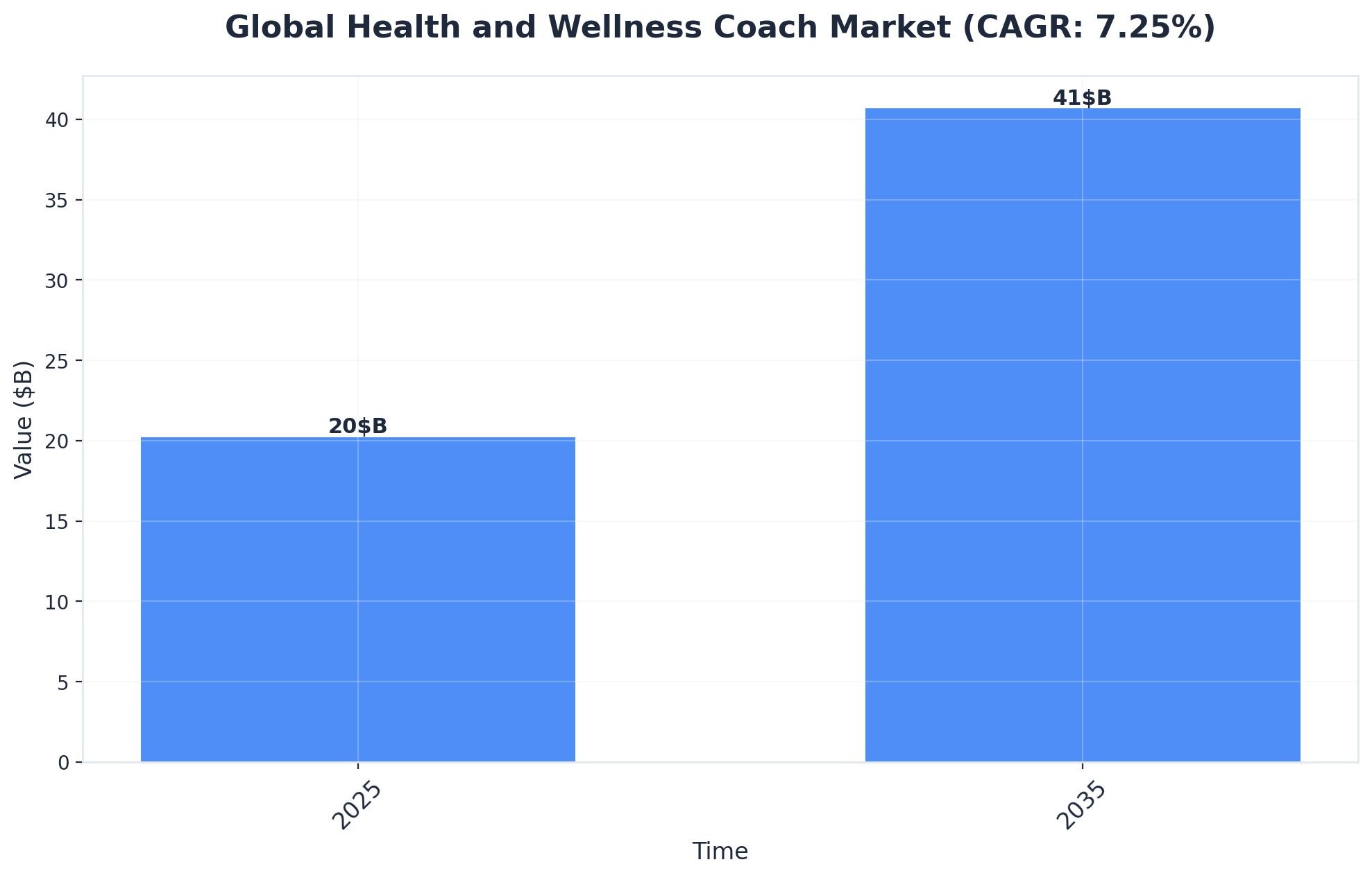
Both wellness coaching and health coaching are experiencing rapid expansion, but their market growth and integration into professional settings reveal some important differences. The wellness coach vs health coach question is more relevant than ever, as organizations and healthcare providers increasingly recognize the value of both roles in supporting holistic well-being and targeted health outcomes.
The global health coaching market is projected to reach $35.6 billion by 2030, growing at a rate of 10.2% annually. This surge is driven by deeper integration within healthcare, as health coaches are now being included in interdisciplinary care teams, especially for chronic disease management. Medical practices can even bill for certain coaching services using specific CPT codes when delivered under physician supervision—a clear sign of clinical acceptance.7
Wellness coaches, in contrast, see their fastest growth within corporate wellness and executive support programs, where the emphasis is on stress management, work-life balance, and overall resilience rather than medical metrics. Quantitative data also points to strong business outcomes: companies with robust wellness initiatives report productivity gains of up to 20% and retention rates 10% higher than industry averages. These results highlight why both types of coaching are being embedded into high-performing organizations and healthcare systems alike.6
As the coaching sector evolves, digital and virtual coaching platforms are becoming the fastest-growing delivery modes, offering the flexibility and confidentiality that many professionals now demand. This sets the stage for an in-depth look at the unique strengths each coaching approach brings to the table.6
Health Coaching's Clinical Integration
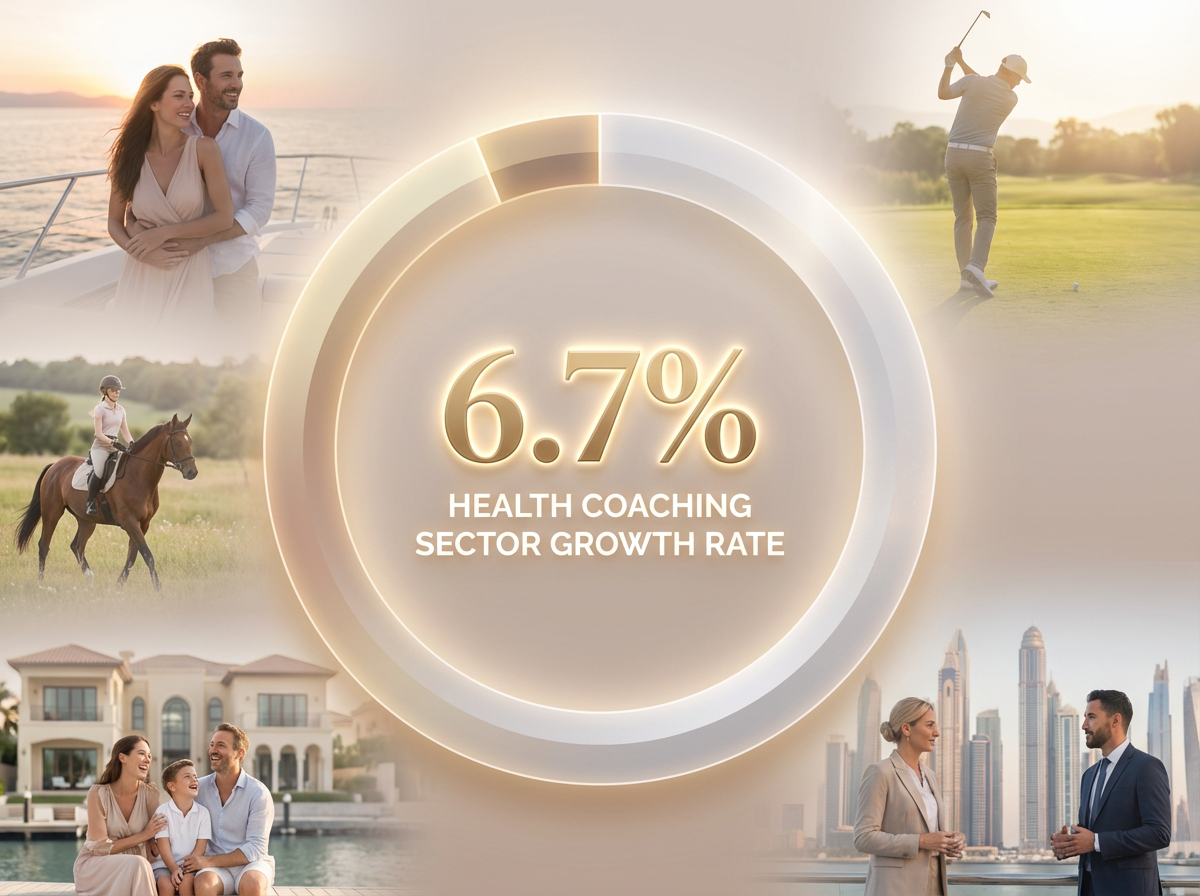
Health Coaching Excels In: Translating medical advice into daily routines and improving measurable clinical outcomes.
In the wellness coach vs health coach discussion, health coaching clearly stands out for its direct integration within clinical and healthcare settings. Health coaches collaborate closely with medical professionals, supporting clients who are managing chronic conditions such as diabetes, hypertension, or obesity. Their work often centers on translating physician guidance into actionable lifestyle strategies—think medication adherence, dietary changes, or exercise routines that fit the realities of a busy professional life.3
One of the defining features of health coaching is its evidence-based impact on measurable health outcomes. For example, research shows that individuals with diabetes who engage in health coaching see a statistically significant reduction in HbA1c levels (a marker of blood sugar control), with changes averaging -0.3 points compared to inactive controls. Similarly, studies report a mean reduction in BMI of -0.52 among those receiving health coaching, suggesting real progress in weight management for clients who engage with these services.5
From a business operations perspective, health coaching is now recognized as a reimbursable service in many medical practices, thanks to the introduction of specific CPT Category III codes for coaching delivered under physician supervision. This makes it possible for organizations to embed health coaches into interdisciplinary care teams, creating seamless support for executives or professionals who require both confidentiality and medical oversight.7
Scope of Practice: Where Each Excels
Wellness Coaching's Holistic Framework
Wellness Coaching Excels In: Addressing the whole person, including stress management, career satisfaction, and work-life balance.
When comparing wellness coach vs health coach, wellness coaching excels in supporting the whole person beyond just physical health metrics. Wellness coaches partner with clients to explore areas like stress management, sleep quality, relationships, career satisfaction, and work-life balance—domains that often intertwine for busy professionals seeking confidential, flexible support. The focus isn’t just on preventing illness or managing a diagnosis, but on cultivating sustainable habits and improving overall quality of life.3
Unlike health coaches, who may work in tandem with medical teams and concentrate on chronic disease management, wellness coaches use frameworks that invite clients to identify their own priorities and values. This approach gives professionals room to address high-stress triggers, digital overload, or burnout, which research shows are increasingly cited reasons for seeking coaching services.6
For example, one executive might work with a wellness coach to design a routine that balances demanding travel with restorative downtime, while another may focus on digital boundaries and mindfulness to maintain peak performance amid constant connectivity. Wellness coaches also support discreet integration—sessions can be arranged virtually or in-person around a client’s schedule, making this option especially attractive for those requiring adaptability and privacy.
Insight Beyond Treatment
At Next Level Wellness & Behavioral Health, we believe meaningful change starts with perspective, not just protocols.
That philosophy is directly led by Amanda Marino, whose voice in behavioral health extends beyond clinical settings into leadership, culture, and personal growth.
Through keynote speaking and live events, Amanda explores the deeper themes that show up in recovery, family systems, and life transitions: authenticity, resilience, accountability, and the courage to change. Her work invites audiences to move past labels and into honest conversations that create lasting impact.
Professional Boundaries and Limitations
When to Refer to Licensed Professionals
Both wellness coaches and health coaches operate with clear boundaries, but recognizing when a client’s needs go beyond coaching is vital for maintaining ethical standards and client safety. In the wellness coach vs health coach conversation, health coaches are more likely to encounter situations where a clinical referral is necessary—especially when working with clients managing chronic conditions or exhibiting symptoms that suggest underlying medical or mental health issues.3
Common Triggers for Clinical Referral
- Dangerously out-of-range blood pressure or blood sugar readings.
- Disclosures of severe depression, trauma, or undiagnosed eating disorders.
- Signs of substance misuse requiring specialized behavioral health intervention.
Wellness coaches, while focused on holistic well-being, may notice signs of burnout, emotional distress, or substance misuse. Industry guidelines emphasize that coaches are not qualified to diagnose or treat disease, and must act quickly if a client’s safety or well-being is in question. Studies reveal that the most effective coaching relationships are those where clear referral protocols exist and are communicated upfront.3
The International Coaching Federation’s core competencies specifically call for recognizing personal limitations and seeking outside expertise when needed. This distinction is especially relevant for discreet professionals who may hesitate to seek clinical help. Coaches can play a key role in normalizing referrals, framing them as a strength rather than a setback. Up next, we’ll explore the ethical frameworks that guide coaching practice in these sensitive scenarios.10
Ethical Considerations in Practice
When considering ethical boundaries in the wellness coach vs health coach comparison, both roles share an obligation to protect client wellbeing—but their codes of ethics and real-world application can differ in emphasis. Health coaches typically adhere to guidelines set by organizations like the National Board for Health & Wellness Coaching (NBHWC) or similar credentialing bodies, which spell out strict confidentiality, informed consent, and clear scope-of-practice rules. These standards are particularly important when working alongside medical teams, as health coaches must avoid offering medical advice or crossing into clinical diagnosis.3
Wellness coaches, while also dedicated to confidentiality and client autonomy, often operate with more flexibility, especially in non-clinical or corporate environments. Their ethical frameworks center around empowering clients to set their own goals and respecting personal boundaries—critical for professionals who require discretion and a coaching relationship that adapts to high-pressure schedules. Professionals accessing virtual coaching often use secure platforms, requiring authentication methods like a Security Key or Biometric Login to ensure absolute privacy.
The International Coaching Federation (ICF) highlights that strong ethical practice means coaches must be transparent about their qualifications, maintain trust, and refer out any concerns that fall outside their expertise. Studies reveal that ethical missteps—such as failing to maintain boundaries or improperly handling sensitive information—can erode trust and diminish outcomes, making robust ethical training and ongoing supervision essential.3,10

Which Approach Fits Your Situation: Wellness Coach vs Health Coach
Selecting the right support approach depends on several factors unique to each person's circumstances. The decision isn't about finding a one-size-fits-all solution, but rather identifying what aligns with current needs, professional obligations, and personal recovery goals.
- Choose a Health Coach if: You are managing a specific chronic condition (like hypertension or diabetes) and need help translating your physician's recommendations into a sustainable daily routine.
- Choose a Wellness Coach if: You are a high-performing professional dealing with burnout, seeking to improve work-life balance, or needing discreet support to navigate high-stress career transitions.
- Choose a Comprehensive Companion if: You are in early recovery or transitioning from treatment and require adaptable, concierge-level support that integrates seamlessly into your demanding lifestyle.
For those in early recovery or transitioning from treatment, continuous support often provides the most stability. Having someone available around the clock helps navigate triggers, establish healthy routines, and maintain accountability during vulnerable periods. This intensive level of care works particularly well for individuals whose schedules allow for a more immersive approach or who recognize they need consistent guidance to build a strong foundation.
Professionals managing demanding careers frequently find that flexible, intermittent support integrates more seamlessly into their lives. This might mean having a companion available during high-stress periods, business travel, or social events where challenges typically arise. The ability to scale support up or down based on circumstances allows individuals to maintain their professional responsibilities while still receiving the guidance they need. Research in behavioral health consistently shows that support tailored to lifestyle factors increases long-term engagement and positive outcomes.
Family dynamics also play a significant role in determining the right fit. Some situations benefit from having a companion who can work with multiple family members, facilitating healthier communication patterns and supporting everyone's wellness journey. Geographic considerations matter too. Those who travel frequently for work need support that can adapt across time zones and locations, while others might prefer someone who understands their local community.
Perhaps most importantly, personal preference and comfort level should guide the decision. Some people thrive with structured, predictable support schedules. Others need the freedom to reach out when challenges arise rather than adhering to predetermined timeframes. The most effective support model is ultimately the one that feels natural enough to maintain consistently while providing sufficient structure to facilitate real growth and lasting change.
Frequently Asked Questions
Can someone work with both a health coach and wellness coach simultaneously?
Yes, it’s entirely possible—and sometimes ideal—for professionals to work with both a health coach and a wellness coach simultaneously. In the wellness coach vs health coach discussion, each role addresses different needs: health coaches focus on targeted medical outcomes, while wellness coaches support broader lifestyle and performance goals. Many high-performing professionals find that combining both approaches offers the best of both worlds, especially when managing a chronic condition alongside career or life transitions.3
Industry sources emphasize that collaboration between coaches is most effective when roles are clearly defined and communication is open, ensuring there’s no overlap or confusion about scope. This dual approach can provide a more comprehensive, discreet, and adaptable support system as needs evolve.3
How does coaching fit into a comprehensive support plan that includes therapy or medical treatment?
Coaching fits into a comprehensive support plan by complementing, not replacing, therapy or medical treatment. In the wellness coach vs health coach comparison, both work alongside licensed professionals—health coaches often help translate medical advice into daily routines, while wellness coaches address stress, work-life balance, and lifestyle changes that support overall well-being. Research highlights that coaches do not diagnose or treat medical or mental health conditions, but focus on client-driven goals and sustainable behavior change. When all providers collaborate, clients benefit from a more holistic, confidential support system that enhances medical or therapeutic outcomes without overlap.3
What credentials should professionals look for when selecting a coach for discreet support?
When selecting a coach for discreet support, professionals should prioritize credentials that align with recognized industry standards. For health coaches, look for certifications from the National Board for Health & Wellness Coaching (NBHWC) or similar organizations, as these ensure rigorous training in clinical integration and ethical boundaries. Wellness coaches often hold credentials from the International Coaching Federation (ICF), which emphasize confidentiality, client autonomy, and a strong code of ethics—key for professionals needing privacy and flexibility. In the wellness coach vs health coach decision, verified credentials not only demonstrate expertise but also signal the coach’s commitment to clear scope of practice and ongoing professional development.3,10
How do virtual coaching services compare to in-person support for maintaining privacy?
Virtual coaching services are increasingly favored for maintaining privacy, especially among professionals who require discretion or flexible scheduling. Unlike in-person sessions, virtual platforms allow clients to join from anywhere, often using secure, encrypted technology that supports confidential communication. This makes virtual coaching a strong fit for those balancing demanding roles or frequent travel. Research on the wellness coach vs health coach landscape notes that virtual coaching is now the fastest-growing delivery mode, offering both flexibility and confidentiality without compromising the quality of support. In-person coaching may provide a more personal connection, but virtual sessions are generally seen as better for protecting privacy in high-profile or sensitive contexts.6
What happens if my needs change from wellness-focused to health-specific during coaching?
If your needs shift from wellness-focused to health-specific during coaching, the process is designed to adapt confidentially and ethically. In the wellness coach vs health coach framework, most coaches recognize when a client’s goals move into territory requiring medical expertise—such as managing diabetes or hypertension. When this happens, coaches may recommend collaborating with or transitioning to a health coach who is experienced in working alongside healthcare professionals and focusing on measurable health outcomes. Open dialogue ensures continuity of support, and ethical guidelines require coaches to refer out when needs exceed their scope. This transition maintains privacy and supports your evolving goals without disruption.3
How do coaching services integrate with existing workplace wellness programs?
Coaching services integrate with workplace wellness programs by offering tailored support that aligns with organizational goals and employee needs. In the wellness coach vs health coach landscape, wellness coaches typically collaborate with HR or executive teams to address stress management, resilience, and work-life balance, while health coaches may support employees managing chronic conditions or health risks. Both types of coaching can be embedded into existing initiatives—delivered virtually or onsite—and often contribute to measurable business outcomes. For example, companies prioritizing coaching as part of their wellness strategy report up to 20% higher productivity and 10% better retention rates than industry averages. This synergy creates a discreet, adaptable layer of support within the corporate environment.6
Conclusion
Finding the right support approach comes down to understanding where someone is in their journey and what their daily life demands. Intensive programs work well when stepping away from routine is possible, while flexible arrangements fit better when maintaining professional commitments matters most. Neither option is inherently superior—they serve different needs at different times.
The most effective path forward often combines multiple elements. Someone might benefit from structured support initially, then transition to ongoing coordination that adapts as circumstances evolve. What matters is choosing an approach that addresses immediate concerns while building sustainable practices for the long term.
Recovery looks different for everyone, especially for those balancing demanding careers with personal wellness. The key is finding support that respects both the seriousness of the challenge and the reality of professional responsibilities. When flexibility, discretion, and personalized attention align with individual circumstances, meaningful progress becomes possible without requiring complete life disruption. The right support meets people where they are, not where a standardized program expects them to be.
For support that meets you right where you are—anytime, anywhere—connect with us today.
References
- What Is a Health and Wellness Coach?. https://my.clevelandclinic.org/health/articles/health-coach-wellness-coach
- What Is A Health Coach.. https://nbhwc.org/what-is-a-health-coach/
- Wellness Coach vs Health Coach: What is the Difference?. https://blog.nasm.org/wellness-coach-vs-health-coach-what-is-the-difference
- What Are Life Coaches and Wellness Coaches?. https://www.webmd.com/balance/life-and-wellness-coaches
- The Effectiveness of Health Coaching.. https://www.ncbi.nlm.nih.gov/books/NBK487705/
- Workplace Wellbeing Initiative Trends for 2025.. https://globalwellnessinstitute.org/global-wellness-institute-blog/2025/03/28/workplace-wellbeing-initiative-trends-for-2025/
- Health Coaching: A Market and Career Opportunity Snapshot.. https://www.catalystcoachinginstitute.com/health-coaching-a-market-and-career-opportunity-snapshot/
- Nutrition and Wellness Coaching.. https://learn.hms.harvard.edu/programs/nutrition-and-wellness-coaching
- How to Price Coaching.. https://instituteofcoaching.org/blogs/how-price-coaching
- 2025 ICF Core Competencies.. https://coachingfederation.org/credentialing/coaching-competencies/icf-core-competencies/
A Voice Shaping the Conversation
The topics explored here—change, self-awareness, recovery, and growth—are the same themes Amanda Marino brings to audiences nationwide through speaking engagements and live events.
Known for her appearances on A&E’s Intervention and Digital Addiction, Amanda speaks to organizations, communities, and leadership teams about navigating adversity, embracing vulnerability, and building lives rooted in purpose. Her message resonates far beyond treatment, offering insight that applies to families, professionals, and anyone standing at a crossroads.



Heal on your terms—any time, anywhere.