.svg)

Executive Health Coach Basics You Need to Know

Key Takeaways
- Holistic Integration: An executive health coach seamlessly blends mental, emotional, and physical wellness strategies into your demanding schedule.
- Uncompromising Privacy: Concierge behavioral health support operates with strict confidentiality, protecting your professional reputation and peace of mind.
- Proactive Resilience: Addressing stress and behavioral health proactively prevents burnout, enhances leadership performance, and fosters sustainable success.
Your First Actions
- Assess your current stress levels and identify areas where your well-being or work-life balance feels compromised.
- Research discreet, concierge executive health coaching services that align with your lifestyle and offer flexible support.
- Schedule a confidential consultation to explore personalized care coordination and tailored wellness strategies.
Taking the first step toward optimizing your well-being is a powerful investment in your long-term professional impact and personal fulfillment.
What Is an Executive Health Coach?
Defining the Role and Scope
When exploring high-level wellness, you might wonder what exactly an executive health coach does. At its core, this specialized professional partners with industry leaders to provide discreet, concierge-level support for behavioral health, mental well-being, and physical vitality. We understand that your career demands excellence, and maintaining that standard requires a foundation of robust personal health.
Think of them as a strategic advisor for your personal ecosystem. Just as a Chief Operating Officer streamlines business processes, an executive health coach optimizes your daily routines. They ensure you maintain peak performance without sacrificing your health, offering a relationship built on trust, privacy, and adaptability.
"Sustainable leadership requires prioritizing the health of the leader just as much as the health of the organization. True resilience is built behind the scenes."
The scope of this role goes far beyond basic fitness or generic advice. These professionals offer life coordination, behavioral health coaching, and can even act as a mental wellness companion during demanding life transitions. Unlike traditional clinical settings, this support is highly adaptable and designed to integrate seamlessly into your demanding lifestyle without requiring a long absence from your responsibilities.
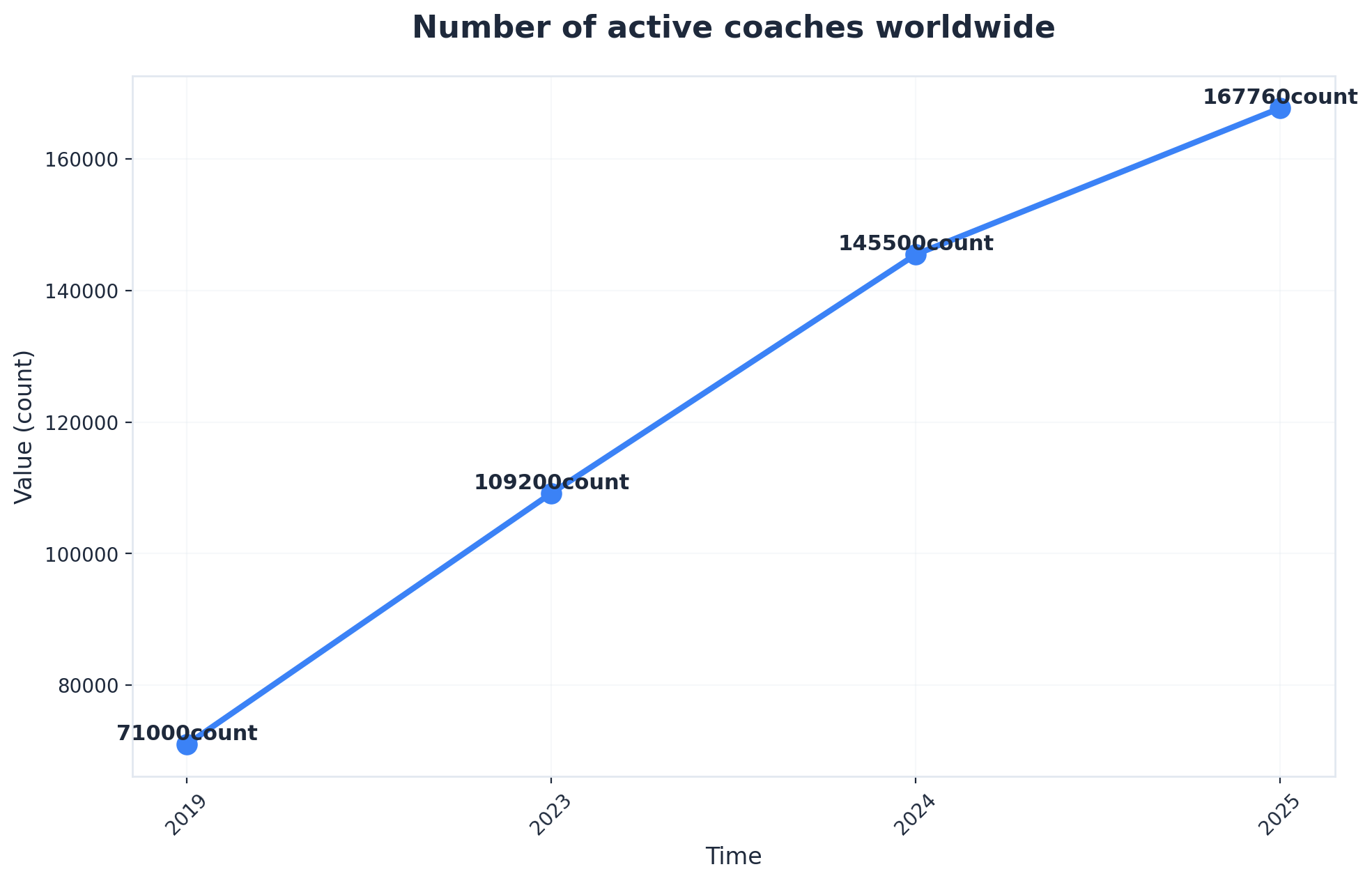
With the demand for specialized professional support rising rapidly, the field is expanding to meet the unique needs of affluent clients and executives. Next, we will explore why prioritizing this level of care is essential in today's fast-paced corporate environment.1
Why Leadership Health Matters Now
The spotlight on leadership health has never been brighter. High-performing professionals face unique pressures—tight deadlines, constant availability, and the expectation to deliver results without pause. These demands can quietly chip away at your well-being, especially for those in senior roles who often feel pressure to appear unfazed at all times.
Studies reveal that more than 60% of executives report feeling "used up" at the end of most workdays, a key warning sign of chronic stress and potential burnout. The ripple effects go beyond the individual: when leadership well-being suffers, team performance, company culture, and even organizational outcomes can decline. Put simply, healthy leaders are more likely to make better decisions, inspire their teams, and sustain productivity over the long haul.3
An executive health coach brings a proactive, confidential partnership to this challenge. By supporting leaders in real time—whether that means navigating a high-stakes project, managing sleep routines during travel, or developing strategies for emotional resilience—these coaches help you stay at your best. The impact is clear: companies with strong leadership wellness programs see higher employee engagement and lower turnover rates.7
Next, let’s break down the core components of executive wellness and see how they work together in practice to support your professional journey.
Core Components of Executive Wellness
Mental Health and Stress Management
Mental health and stress management are cornerstones of executive wellness. Leaders often juggle high-stakes decisions, long hours, and constant visibility, which can quietly take a toll on emotional resilience. An executive health coach helps professionals recognize early signs of stress and develop personalized strategies for managing it—think of this as having a playbook for navigating pressure before it becomes overwhelming.
Stress, in simple terms, is the body’s response to challenges or demands. While some stress can motivate action, chronic stress can lead to exhaustion and decreased performance. Coaching offers a safe, confidential outlet for executives to talk through concerns, break down large challenges into manageable pieces, and build routines that protect mental health. For those navigating substance use management or complex life transitions, having a discreet recovery companion or wellness coach provides invaluable, judgment-free support.
What does this look like in action? Here is a checklist of essential techniques an executive health coach might integrate into your routine:
- Mindfulness exercises: Techniques to calm anxiety and refocus attention during busy days.
- Boundary-setting strategies: Practical ways to limit overwork and protect your personal time.
- Sleep hygiene coaching: Methods to improve energy recovery and daily decision-making.
- Emotional regulation tools: Frameworks to respond to professional setbacks with perspective.
- Confidential peer support: A safe space to normalize discussions on mental well-being and behavioral health.
By weaving these tools into your daily routine, you can maintain clarity and adaptability even during challenging times. Up next, let’s look at how physical health integration rounds out a balanced approach to executive wellness.
Physical Health Integration
Physical health is often the foundation for mental clarity, stamina, and resilience—especially for those balancing executive roles with personal demands. While you might instinctively connect physical health with fitness alone, executive wellness goes much deeper. An executive health coach helps leaders integrate sustainable habits that fit within a demanding schedule, supporting everything from nutrition to movement and sleep quality.
Physical health integration isn’t about perfection or extreme routines. Instead, it’s a partnership focused on practical, incremental changes that strengthen both body and mind. For example, imagine adding a brisk 10-minute walk between meetings to boost focus, or learning quick meal prep strategies to avoid skipped meals. These small shifts add up, especially when accountability and personalized feedback are part of the process.
Click to view: Quick Desk Stretches for Busy Executives
Incorporate these simple movements between calls to maintain physical vitality:
- Neck Rolls: Slowly roll your head in a circle to release tension.
- Seated Spinal Twist: Gently twist your torso to each side while seated.
- Wrist Flexor Stretch: Extend your arm and gently pull your fingers back to relieve typing strain.
Industry leaders find that even modest improvements in physical activity and nutrition can significantly impact energy, mood, and cognitive function at work. The executive health coach works alongside professionals to identify barriers, co-create action plans, and monitor progress—always with privacy and flexibility in mind.5
By weaving these elements into daily routines, executives can experience more consistent energy and resilience in high-pressure environments. Next, we’ll explore how executive health coaching is structured to fit seamlessly into busy lives.
Insight Beyond Treatment
At Next Level Wellness & Behavioral Health, we believe meaningful change starts with perspective, not just protocols.
That philosophy is directly led by Amanda Marino, whose voice in behavioral health extends beyond clinical settings into leadership, culture, and personal growth.
Through keynote speaking and live events, Amanda explores the deeper themes that show up in recovery, family systems, and life transitions: authenticity, resilience, accountability, and the courage to change. Her work invites audiences to move past labels and into honest conversations that create lasting impact.
How Executive Health Coaching Works
Confidential Assessment and Planning
Every successful partnership with an executive health coach begins with a highly confidential assessment. This step is similar to a health check-up but focuses on the unique challenges of high-level professionals. The goal is to create a safe space—free from judgment or outside observation—where leaders can openly discuss stress, health routines, and personal goals.
The assessment typically covers key areas like stress triggers, current habits, work-life balance, nutrition, sleep, and emotional well-being. The coach may use structured interviews or confidential questionnaires, always keeping privacy as the top priority. Research highlights that executives often avoid seeking support due to concerns about confidentiality and image, making this trust-building phase essential.3
Once the assessment is complete, the executive health coach works with you to develop a personalized action plan. This plan is completely flexible, adapting as schedules shift or new challenges arise. Think of it as a bespoke roadmap—created together—that integrates health strategies seamlessly into your daily life. For instance, a secure daily check-in might look as simple as this automated prompt:
This foundation of trust and individualization sets the stage for support that fits even the busiest professional’s lifestyle. You can easily save your secure portal link by pressing Ctrl + D to ensure quick access. Next, we’ll see how executive health coaching adapts to meet the needs of those constantly on the move.

Flexible Support Models for Busy Lives
Executive schedules are rarely predictable. Meetings shift, travel is often last-minute, and personal demands can pop up with little warning. That’s why flexible support models are a cornerstone of effective executive health coaching. The aim is to meet professionals where they are—both literally and figuratively—so that support never becomes another source of stress.
An executive health coach understands the ebb and flow of high-level roles. Support can be tailored as in-person sessions at the office, secure video calls during travel, or quick check-ins between commitments. Whether you need an hourly companion for a high-stress event or ongoing life coordination, the services adapt to you. Industry research confirms that leaders are much more likely to engage with wellness initiatives that adapt to their schedules, and confidential, on-demand access is now seen as a non-negotiable for real impact.3
The flexibility of these models means that support is always accessible, even when workdays are unpredictable. You might be wondering if this adaptability compromises results—in fact, studies show that personalized, flexible coaching increases engagement and effectiveness for busy professionals.3
Next, we’ll examine some common pitfalls leaders encounter when starting their executive health journey and how to avoid them.

Common Mistakes Leaders Make Initially
Stepping into high-pressure leadership roles often brings unexpected challenges, and even the most capable professionals can stumble when it comes to managing their own well-being. These missteps typically fall into two categories: mistakes of action—trying to overhaul everything at once—and mistakes of inaction—failing to seek support when it is most needed. Understanding these common pitfalls helps you navigate your career more effectively and build stronger foundations for long-term success.
One of the most frequent mistakes involves trying to white-knuckle through stress without a safety net. New leaders often feel pressure to demonstrate unwavering strength, leading them to hide feelings of overwhelm or behavioral health challenges. Industry leaders find that this isolation only compounds the pressure. Instead of utilizing a wellness companion or seeking behavioral health coaching, they attempt to manage everything privately, which can quickly lead to burnout.
This impulse to handle everything alone often masks another problem: inadequate boundary setting. Many leaders underestimate how much they need to protect their personal time during periods of transition. They assume that constant availability equals dedication. However, this lack of boundaries creates a cycle of exhaustion. Research shows that leaders who establish clear parameters around their time are far more effective and resilient in the long run.
Leaders also frequently struggle with the "all-or-nothing" approach to wellness. They might try to implement a rigorous, time-consuming fitness regimen that simply does not fit their travel schedule, rather than opting for flexible, custom care coordination. Finding the balance between ambition and sustainability takes practice, and most professionals need an objective partner to help calibrate their approach to their specific lifestyle needs.
The tendency to avoid addressing underlying issues represents another significant challenge. Professionals sometimes delay seeking help for stress, substance use management, or family dynamics, hoping problems will resolve themselves. Effective leaders learn that addressing these challenges directly—through discreet, concierge support—builds a stronger foundation for success. Utilizing resources like a recovery companion or co-parenting support can make a profound difference.
Finally, many leaders neglect their own well-being because they fear the stigma associated with seeking help. They worry about confidentiality and professional impact. However, premium behavioral health services are designed specifically for this demographic, offering absolute privacy and flexibility. Leaders who model healthy boundaries and utilize specialized coaching create more resilient organizational cultures, demonstrating that true strength lies in knowing when to bring in expert support.
Frequently Asked Questions
How long does it typically take to see measurable results from executive health coaching?
Measurable results from working with an executive health coach can vary depending on your goals, but many leaders begin to see changes within 4 to 8 weeks of consistent engagement. Progress might show up as improved energy, better stress management, or clearer work-life boundaries. According to industry insights, building sustainable routines and shifting long-term habits generally requires at least a few months, though some improvements—like increased self-awareness or reduced daily stress—can appear sooner. Remember, the process is highly individualized: regular check-ins and flexible adjustments help ensure changes are meaningful and lasting.3
Can executive health coaching remain completely confidential from my organization?
Yes, executive health coaching can remain completely confidential from your organization. Privacy is a cornerstone of the executive health coach relationship, with all sessions and personal information kept strictly between the coach and client unless you choose to share otherwise. Industry research highlights that confidentiality concerns are a major reason why many professionals hesitate to seek support, so reputable coaches prioritize secure communication and transparent privacy agreements. If your coaching is arranged independently (not through your employer), you have full control over what, if anything, is disclosed. Always confirm confidentiality policies with your coach at the outset.3
What credentials should I look for when selecting an executive health coach?
When selecting an executive health coach, it’s wise to look for credentials from recognized organizations. Common certifications include ICF (International Coach Federation), NBCC (National Board of Certified Coaching), or specialized training in behavioral health or wellness. Reviewing a coach’s educational background, years of experience, and any healthcare or leadership-focused credentials helps ensure they understand the demands of executive life. Many top professionals also pursue ongoing education, which shows a commitment to best practices and current research. Research suggests that credentialed coaches are more likely to deliver effective, ethical support to professionals.1
How does executive health coaching differ from traditional therapy or counseling?
Executive health coaching and traditional therapy or counseling serve different purposes, though both support well-being. An executive health coach focuses on optimizing performance, resilience, and healthy routines for professionals, using practical strategies and accountability. Think of it as having a confidential advisor to help navigate work-life balance and create sustainable habits. In contrast, therapy or counseling typically addresses mental health diagnoses, emotional challenges, or past experiences through clinical methods. Studies highlight that many executives prefer coaching because it offers proactive, goal-oriented support without medical labels or stigma. Both roles can complement each other, but their approaches and outcomes are distinct.3
What time commitment is required weekly for effective executive health coaching?
The typical weekly time commitment for effective executive health coaching is about 60 to 90 minutes, usually broken into one main session plus brief check-ins or follow-ups. This format allows leaders to focus on targeted strategies without overwhelming their schedules. Many professionals integrate coaching into existing routines, such as scheduling sessions before work or during lunch. Studies indicate that consistency is more important than duration—regular, focused engagement leads to better outcomes than occasional long sessions. An executive health coach will adapt the plan to fit your availability, ensuring support remains practical and sustainable within a demanding professional life.3
Is executive health coaching covered by insurance or considered reimbursable?
Most executive health coaching is not covered by standard health insurance plans, as it is considered a professional development or wellness service rather than medical treatment. However, some leaders may be able to seek partial reimbursement if their employer classifies coaching as a business expense or includes it in executive wellness benefits. Flexible spending accounts (FSAs) and health savings accounts (HSAs) generally do not reimburse coaching unless it is prescribed by a licensed healthcare provider for a specific medical condition. It’s wise to clarify with both your insurer and employer about potential reimbursement options before starting with an executive health coach.3
Conclusion
Navigating the demands of high-level leadership means avoiding common pitfalls that can derail even the most capable professionals. The mistakes we've explored—trying to manage stress in isolation, neglecting personal boundaries, adopting unsustainable wellness routines, avoiding underlying behavioral health challenges, and fearing the stigma of seeking help—share a common thread. They all stem from the pressure leaders feel to prove themselves constantly, often at the expense of their own health and longevity.
The transition to sustainable leadership requires a fundamental shift in perspective. Research shows that successful leaders recognize early on that their value comes from maintaining their own resilience just as much as enabling others. This means slowing down to speed up—investing time in personalized care coordination, wellness coaching, and sustainable practices that might feel like an extra step initially but create exponential returns in clarity and confidence.
Moving forward, you can start with three practical steps: First, honestly assess your current well-being and identify areas where you need support. Second, explore discreet, concierge behavioral health options that fit your lifestyle, such as an executive health coach or wellness companion. Third, establish non-negotiable boundaries around your own self-care, recognizing that sustainable leadership requires the energy and mental clarity that only come from taking care of yourself. The goal isn't perfection—it's building a foundation of well-being that will serve you and your organization for years to come.
For support that meets you right where you are—anytime, anywhere—connect with us today.
References
3. https://pmc.ncbi.nlm.nih.gov/articles/PMC12774805/
5. https://pmc.ncbi.nlm.nih.gov/articles/PMC5934999/
6. https://www.apa.org/pubs/journals/ocp
7. https://www.teachertoolkit.co.uk/wp-content/uploads/2016/12/wellworkplace.pdf
A Voice Shaping the Conversation
The topics explored here—change, self-awareness, recovery, and growth—are the same themes Amanda Marino brings to audiences nationwide through speaking engagements and live events.
Known for her appearances on A&E’s Intervention and Digital Addiction, Amanda speaks to organizations, communities, and leadership teams about navigating adversity, embracing vulnerability, and building lives rooted in purpose. Her message resonates far beyond treatment, offering insight that applies to families, professionals, and anyone standing at a crossroads.



Heal on your terms—any time, anywhere.